
Laundry review: A chilling, unforgettable opening night at JFF
Opening the 8th Joburg Film Festival to sold-out screenings, Zamo Mkhwanazi’s Laundry (Uhlanjululo) is a visually striking yet heartbreaking glimpse into a Black family’s struggle to survive under apartheid—an unforgettable debut that lingers long after the screen fades to black
The 8th edition of the Joburg Film Festival has officially kicked off, and if opening night is anything to go by, this year’s programme is not playing it safe. Festival goers, local stars, and industry heavyweights gathered in anticipation and rightly so, for Laundry (Uhlanjululo), the debut feature film from Zamo Mkhwanazi.
The film has sold out all its screenings at the festival, a strong signal of the appetite for bold, deeply rooted South African storytelling. After premiering last year at the Toronto International Film Festival, Laundry arrived home to an audience ready to sit with its weight. This is the first film I saw at Joburg Film Festival this year and what a way to begin.
A family business under siege
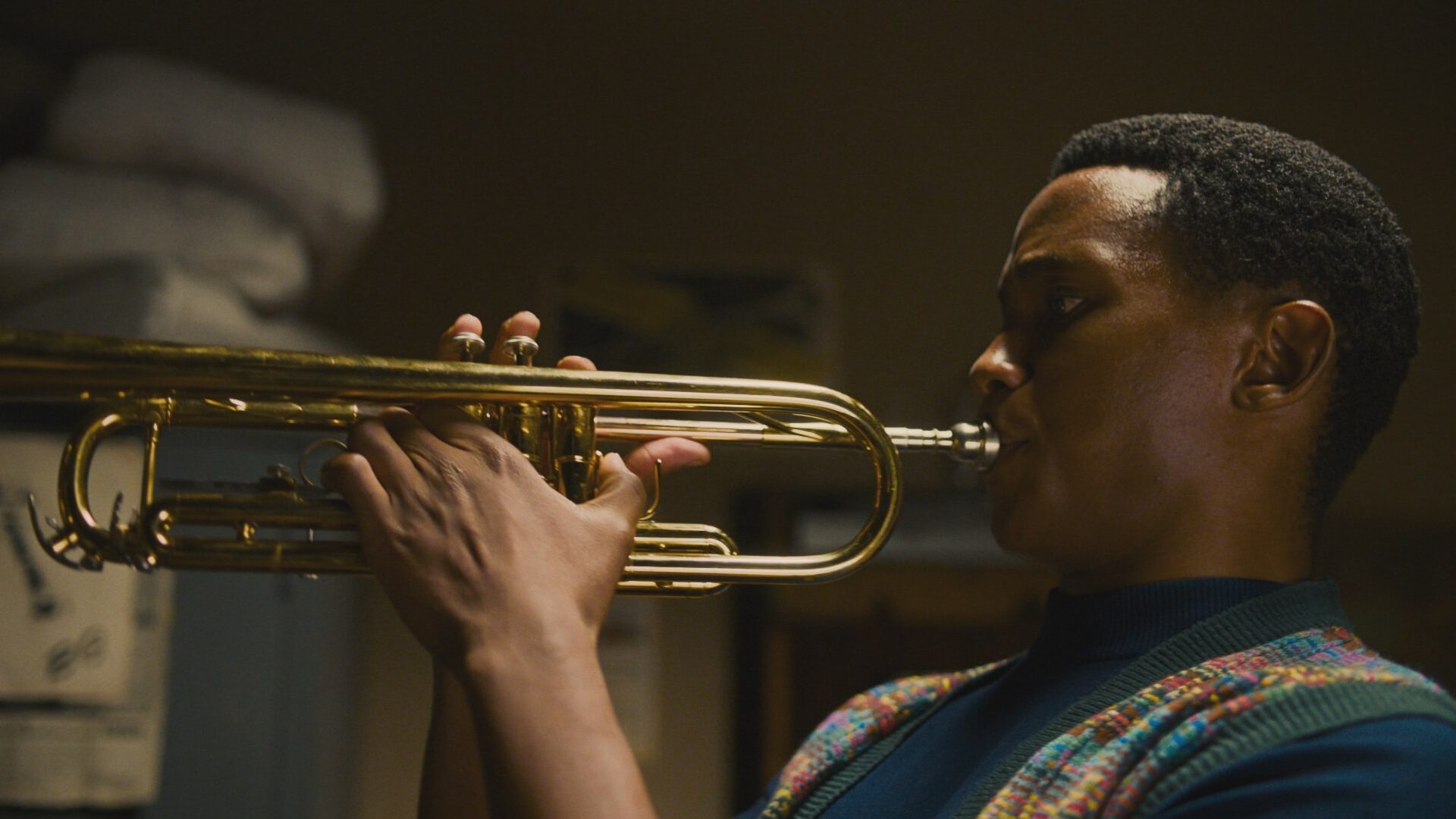
Set in Johannesburg in 1968, Laundry follows a Black family operating a thriving laundromat in a whites-only neighbourhood during apartheid. At the heart of the story is 16-year-old Khuthala (played by Ntobeko Sishi), a gifted young musician who would rather chase dreams of playing in America than inherit his father’s industrial cleaning business.

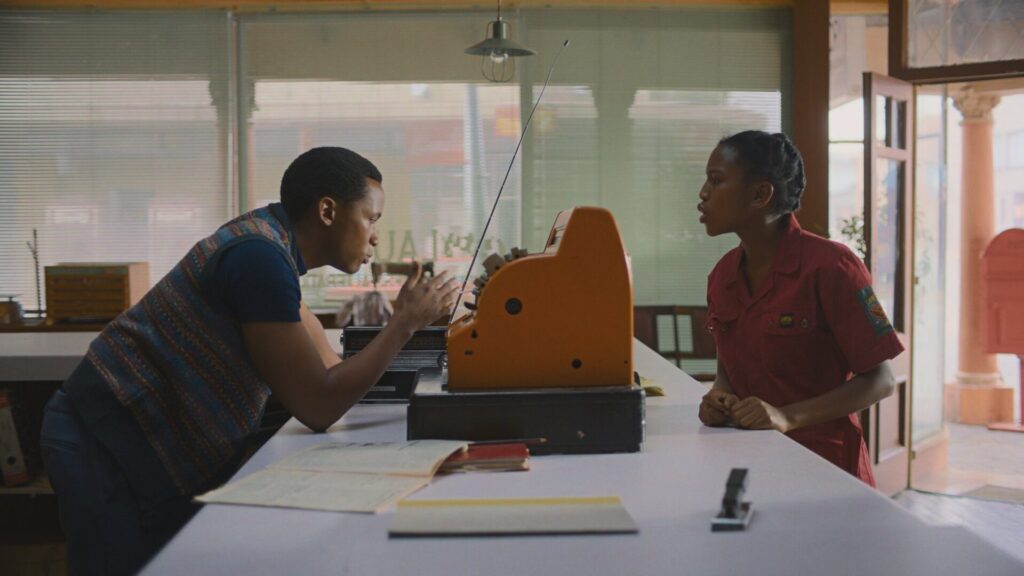
Enoch, played by Siyabonga Shibe, is drawn as a figure of stern dignity and hard-won pride, a man who knows exactly what it cost to build the modest empire that keeps his family afloat. Branded an “exempted native,” he has negotiated a narrow pocket of survival inside a system engineered to push men like him out of existence. His wife Magda, played by Bukamina Cebekhulu, becomes the film’s emotional ballast, holding the household steady with a quiet, almost invisible resilience. Meanwhile their daughter Ntombenhle (Zekhethelo Zondi) is less seduced by fantasies of escape than by the industrial choreography of the laundry itself, studying dryer manuals with the kind of obsessive curiosity cinephiles reserve for a director’s storyboard.
The story takes on a new charge the moment Lilian steps into the picture, portrayed by Tracy September, a magnetic jazz vocalist preparing to leave for the United States after landing a spot in Harry Belafonte’s band. Her presence operates almost like a narrative catalyst, destabilizing the family dynamic across emotional, artistic, and ideological lines. What begins as a familiar father-son coming-of-age friction gradually reframes itself into something far more sinister. White bureaucrats enter the laundry armed with tape measures and clipboards, the mise-en-scène shifting toward quiet menace.

Enoch, the formidable patriarch of the Sithole family, a businessman who endures the daily humiliations of apartheid yet refuses to bend himself to its logic. His defiance is quiet but unwavering, and in a society built on racial submission, that kind of resolve is dangerous. It isn’t long before that pride places him in the crosshairs of the system: a confrontation with the wrong white official lands him behind bars, swallowed by a bureaucratic machine that treats Black lives as disposable and offers no clarity on when or if he might walk free again.
With Enoch behind bars, the burden of the family’s future shifts uneasily onto Khuthala, the reluctant heir to the fledgling Sithole enterprise. Yet Khuthala’s ambitions lie elsewhere. Rather than inheriting the laundry business his father fought so hard to build, he dreams of music and of escape specifically, of securing an exit permit that would allow him to take his talent to the United States. The film places him in a constant tug-of-war between these two gravitational pulls: the seductive possibility of artistic freedom abroad and the inescapable responsibility waiting for him at home.
Ntobeko Sishi plays Khuthala with a fragile emotional texture, allowing flashes of wounded vulnerability to peek through the character’s carefully maintained bravado. Beneath the swagger is a young man who understands, perhaps more than he lets on, that the fragile future of the Sithole family may rest, however unwillingly on his uncertain shoulders. There are moments here that are difficult to shake. Laundry carries many emotional moments, but what stays with you most is the shock of seeing how ordinary and routine the cruelty of apartheid could be. The film shows how easily people’s lives, businesses, and family legacies could be taken away through cold rules and uncaring officials. Even so, it never feels like the film is exploiting that pain for drama or shock value.
Stellar performances from the cast
What gives the film its impact is how controlled the performances are. No one overplays a moment. Ntobeko Sishi anchors the story with a raw openness that makes Khuthala feel painfully real, young, gifted, hopeful, and sometimes maddening in equal measure. In nearly every scene you can sense the pressure he’s under, torn between chasing a life of his own and carrying the expectations of his family.
Siyabonga Shibe, meanwhile, shapes Enoch into a man who projects strength to the world but quietly trembles beneath it. In public he is firm and unyielding; in private the cracks begin to show. His time in prison is particularly chilling, not because it’s loud or dramatic, but because it reveals the cold, impersonal machinery of apartheid grinding a man down piece by piece.
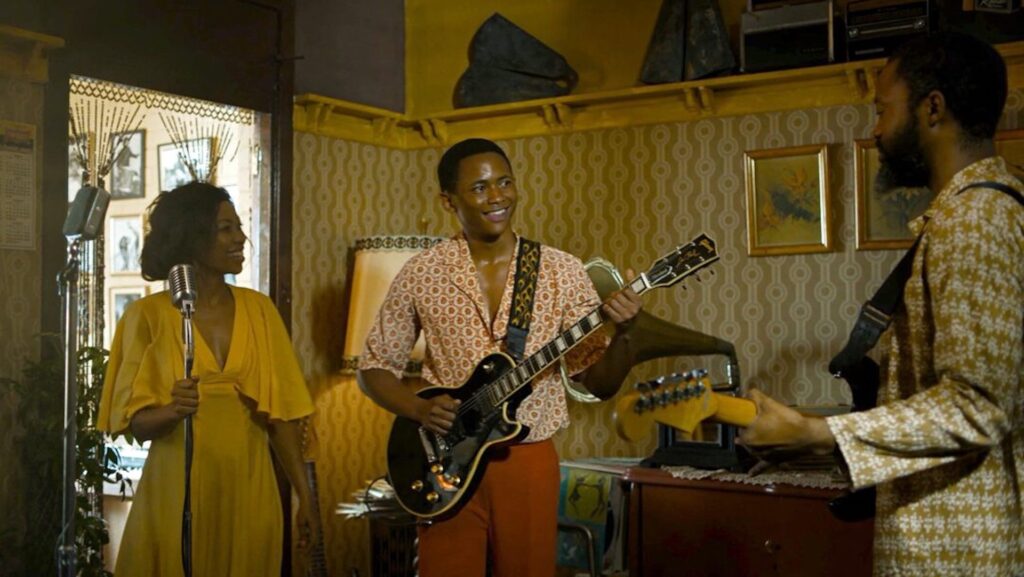
Tracy September, a real-life singer stepping onto the big screen for the first time, is instantly magnetic as Lilian. When she sings, the air doesn’t soften it tightens. Her voice carries both refuge and defiance at once. The cast works in careful rhythm with one another, slowly winding the tension tighter. Even the smaller roles feel fully inhabited. What holds it all together is the family’s love, messy, strained, but unbreakable which makes their eventual fracture land with brutal force.
Craft and aesthetic
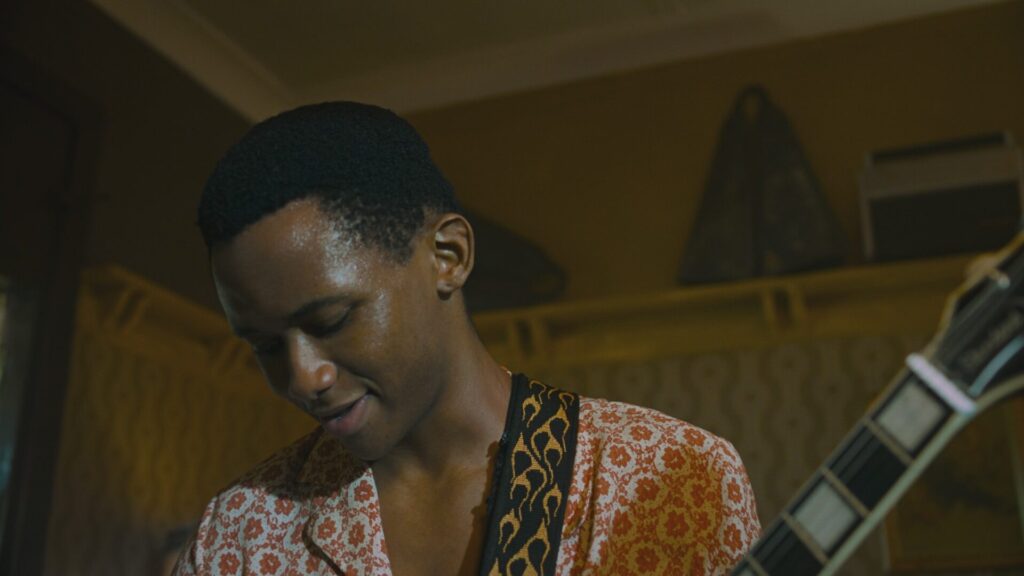
The film dazzles with its visual flair. Every set and costume pulses with late-60s Johannesburg, rich in colour and painstaking period detail. Rooms feel tangible, fabrics alive, and the groove-driven soundtrack threads a quiet defiance through every scene. What stands out is its honesty about racism, unflinching but never forcing your heart. Small pockets of joy in song, in craft, in fleeting acts of care keep the story from collapsing under its own weight.
Mkhwanazi weaves history into the story so effortlessly, it never feels like a lesson. The world simply is, and its harshness seeps through lived experience. The only hiccup comes in the second half, where subplots stretch thin and Khuthala’s coming-of-age occasionally recedes behind the weight of political forces. Even so, the ending lands with inevitability a gut-punch that earns its mark rather than cheats it.
Inspired by real events from Mkhwanazi’s own family, including her grandfather’s laundry wiped out under apartheid, the film brims with authenticity. It speaks from the heart, never veering into sentimentality. This is a powerful feature debut from Zamo Mkhwanazi. The ending has not left my mind since the credits rolled.
Laundry isn’t easy to watch, it shouldn’t be but it’s necessary.
If you’re at the Joburg Film Festival from March 3–8, don’t miss this striking debut.