
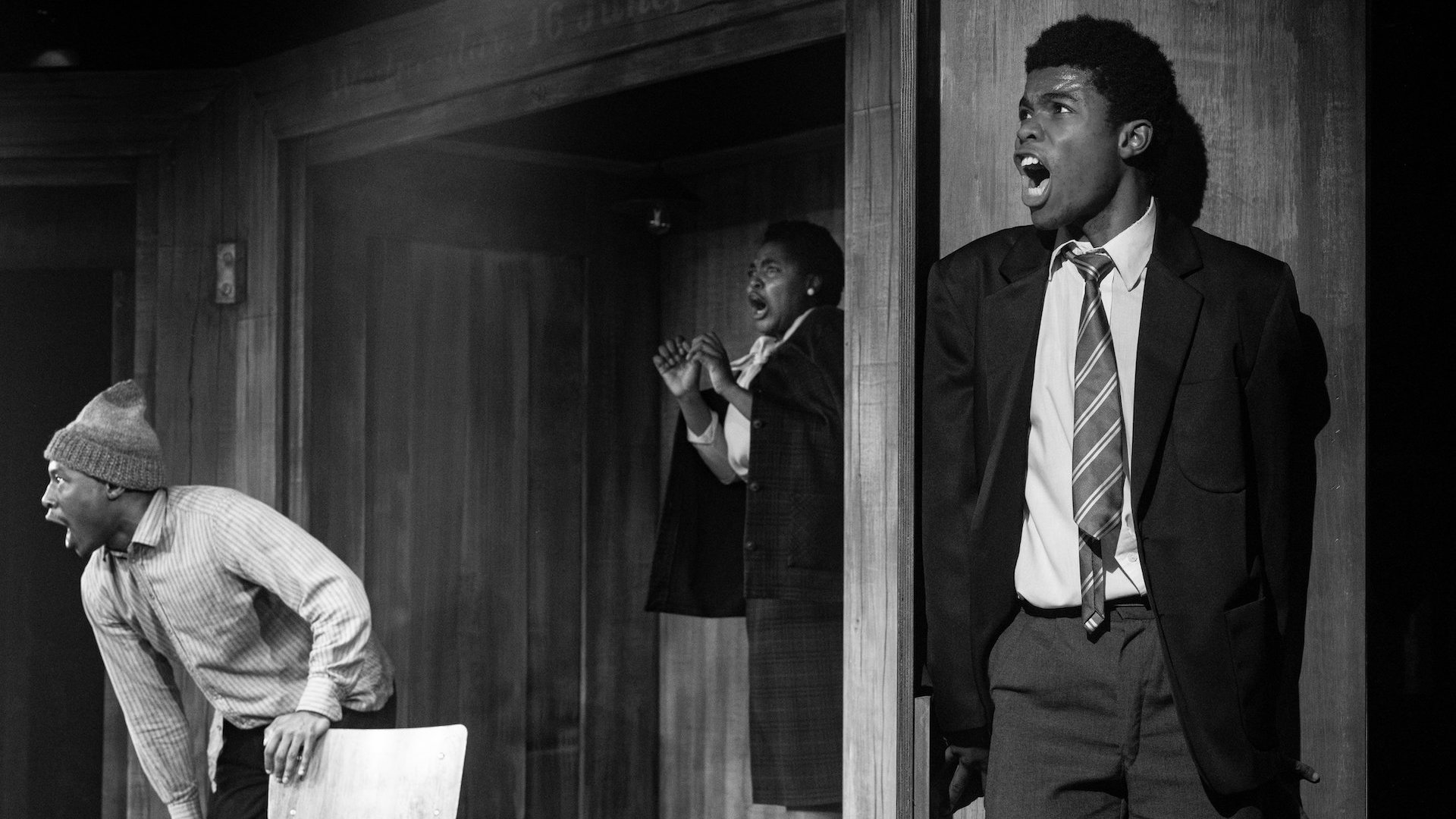
The Market Theatre marks 50 years with powerful new play ‘RISE ’76’
The Market Theatre is marking its 50th anniversary with Rise ’76: The Story of June 16th, a powerful new production that revisits one of the most defining moments in South African history, the Soweto Uprising of 1976. Staged at the Mannie Manim Theatre, the play blends historical fact and intimate storytelling to bring the events of June 16 to life through the voices of students, teachers and families caught in the unfolding crisis.
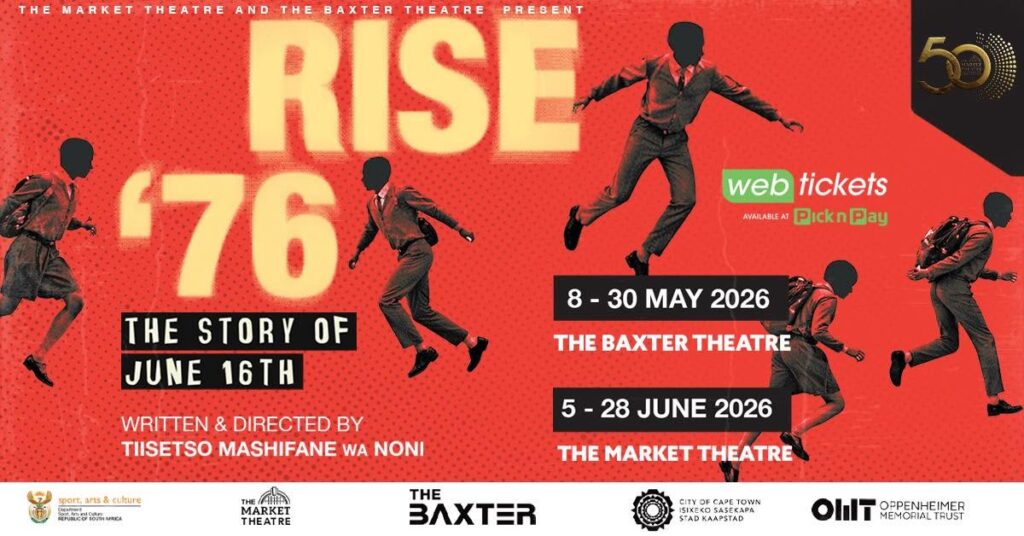
The Market Theatre has teamed up with the Baxter Theatre to co-produce a brand new play, RISE ’76: The Story of June 16th, that honours the 50th anniversary of the Soweto Uprising, a milestone that coincides with the week in which The Market Theatre first opened its doors in 1976. It is written and directed by multi-award-winning contemporary playwright and director, Tiisetso Mashifane wa Noni.
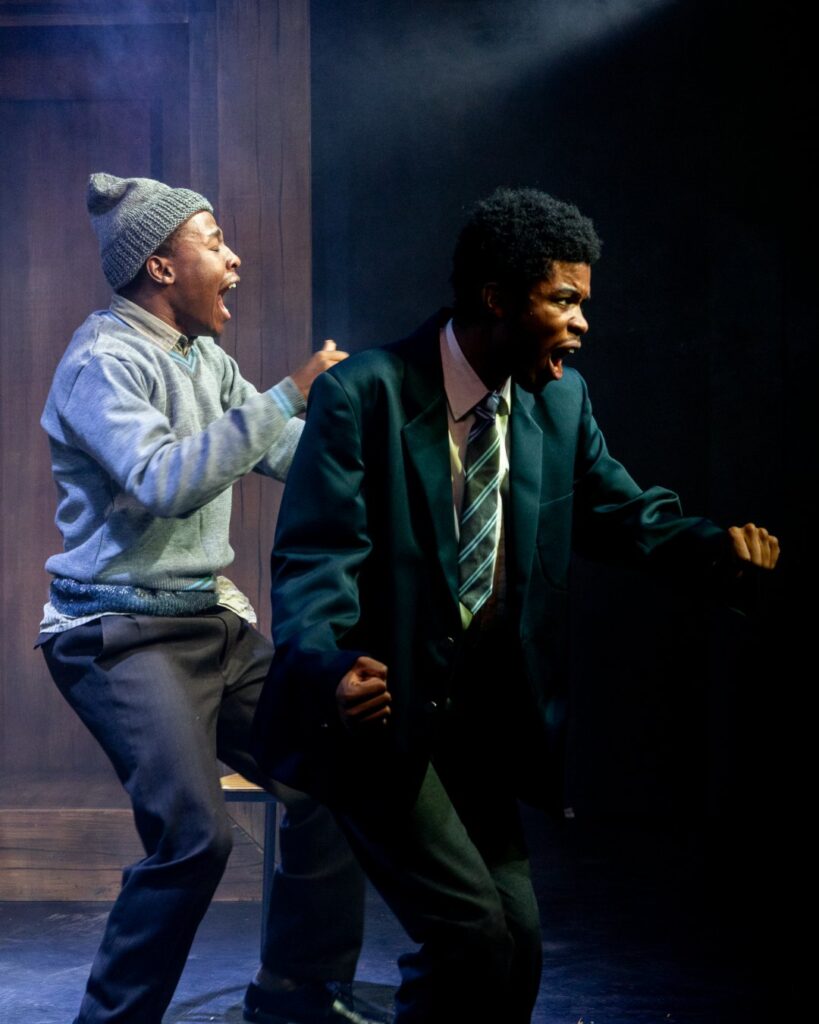
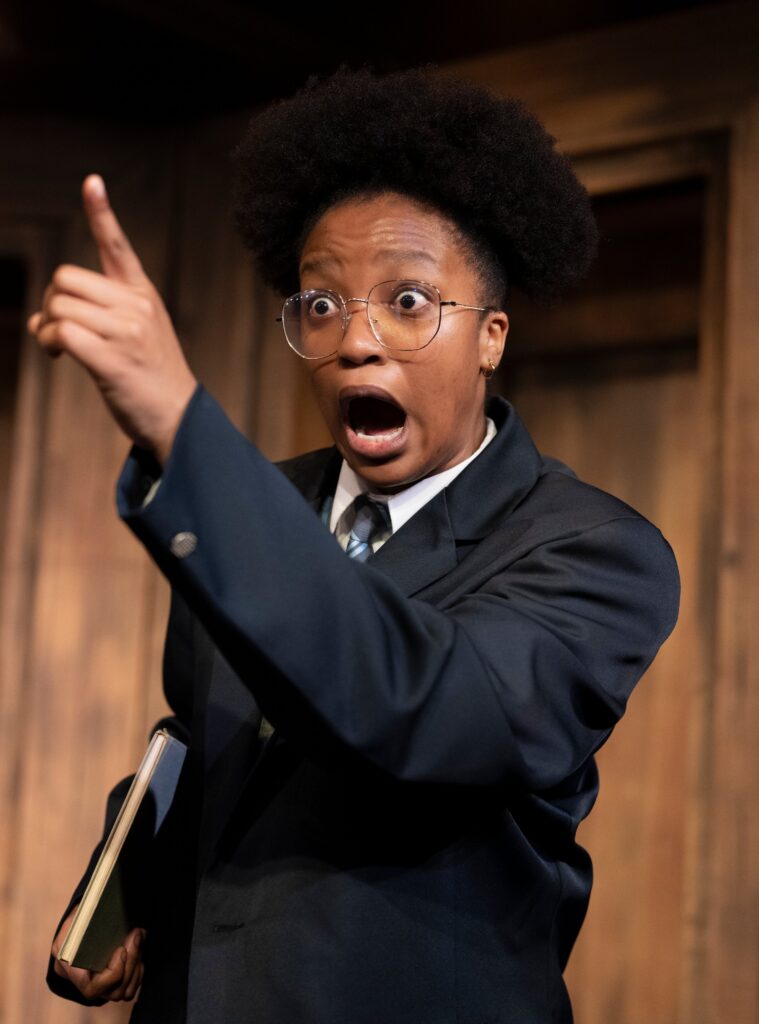
The collaboration between the two landmark theatres marks a significant cultural moment, highlighting their shared commitment to impactful storytelling. This beautifully crafted, moving and powerful work of historical fiction will sit in the Mannie Manim Theatre from 5 – 28 June 2026, with its 4-week run inclusive of two special commemorative performances on Youth Day and being a centrepiece of The Market Theatre’s 50th birthday weekend from 17 – 19 June 2026.
TV Mzansi speaks to writer and director Tiisetso Mashifane wa Noni
Ahead of the performance, TV Mzansi had an opportunity to speak with writer and director Tiisetso Mashifane wa Noni about the inspiration behind the production and what she hopes audiences will take away from it.
When asked what sparked the idea for the play
“So the play was commissioned by the Baxter Theatre and the Market Theatre to commemorate the 50th anniversary of the Soweto Uprising. I was approached by the theatres to write the play, and I took up the mandate because I thought, I was born after apartheid, so I think I could learn something from it,” she says.
“And I think because it’s 50 years later, generations later, we could all learn something from it. So that’s essentially how writing the play came about. Along the way, the responsibility and the weight of such a historical moment became more evident to me. I literally blocked off my life from September to now. I told the artistic directors, I’m not going to take any more work. This is all I’m going to focus on because this is a big event for our country. So that’s essentially what the beginning of the process looked like. And I mean, it’s June, you know, it’s about to be June 16.”
Asked what conversations she hopes the production sparks among audiences and South Africans at large
“I think across all generations, we can learn something from this. for the youth in particular, I know sounds like a cliche, but cliche is a cliche for a reason, right? That the power is in their hands, the future of the country is not in the hands of the people who are at the top. because we, the youth, are the ones who are gonna run this country in many ways, not just government. In the smaller ways in your community.”
Speaking to the 1976 generation and their contribution
“But more specifically to the 1976 generation, this play acts as a recognition for their contributions. I think that we largely ignore the older generations sometimes in creative works by focussing on what the youth of today are looking at. We forget the youth of yesteryear.We forget the youth of the past. And so this piece, just sort of highlights saying, thank you to them. We see you for what you’ve done for us, essentially.”
Rise ’76 brings the Soweto Uprising back to the stage
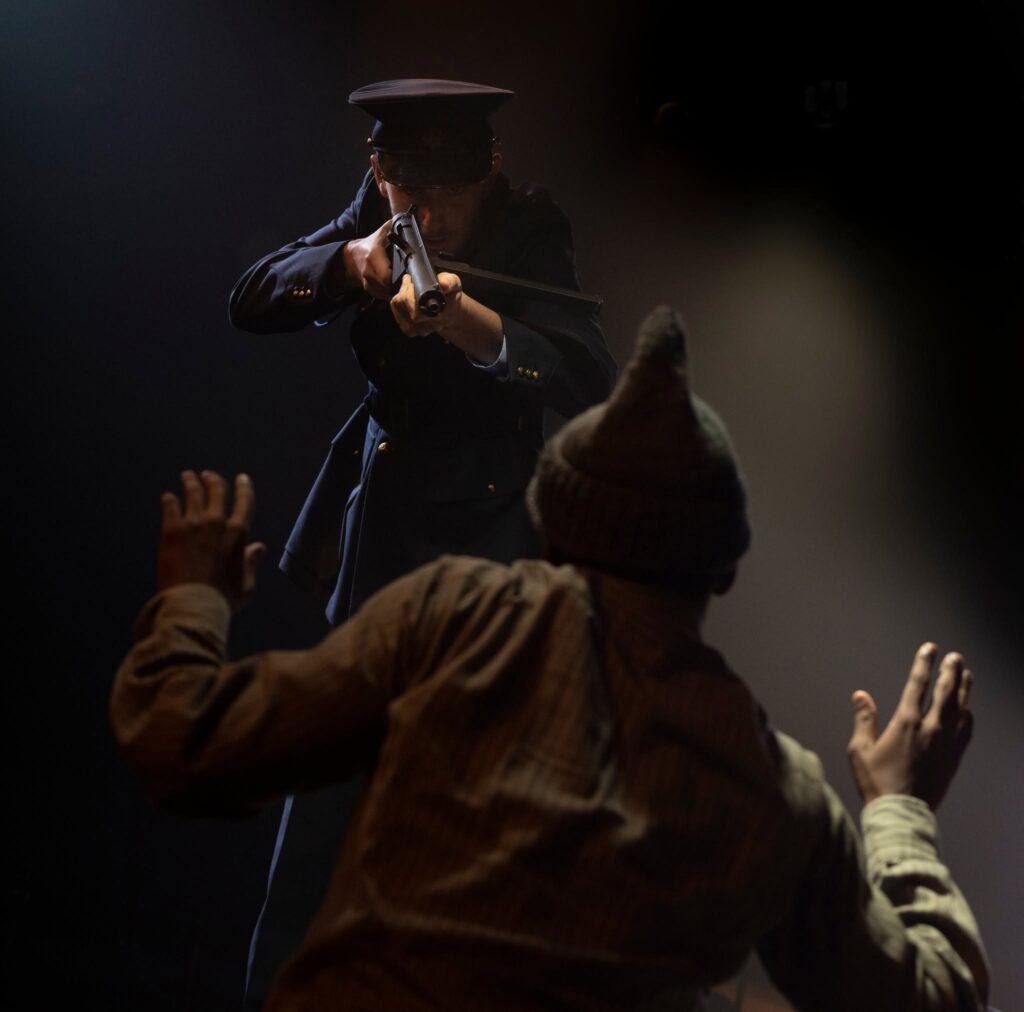
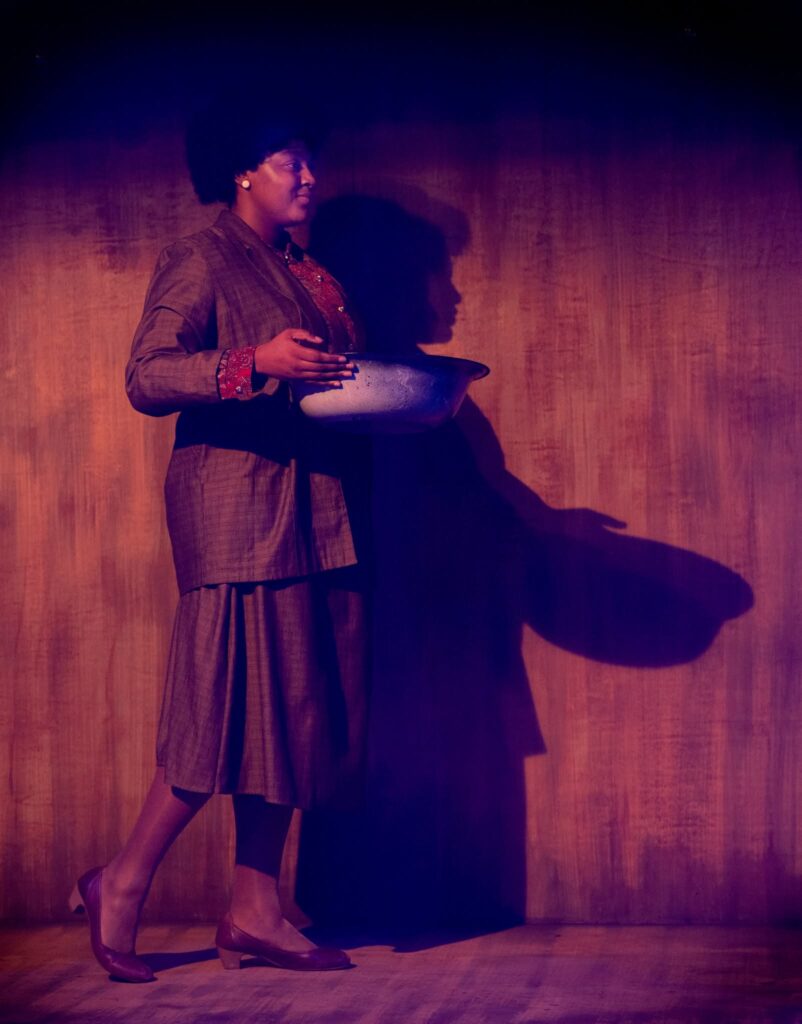
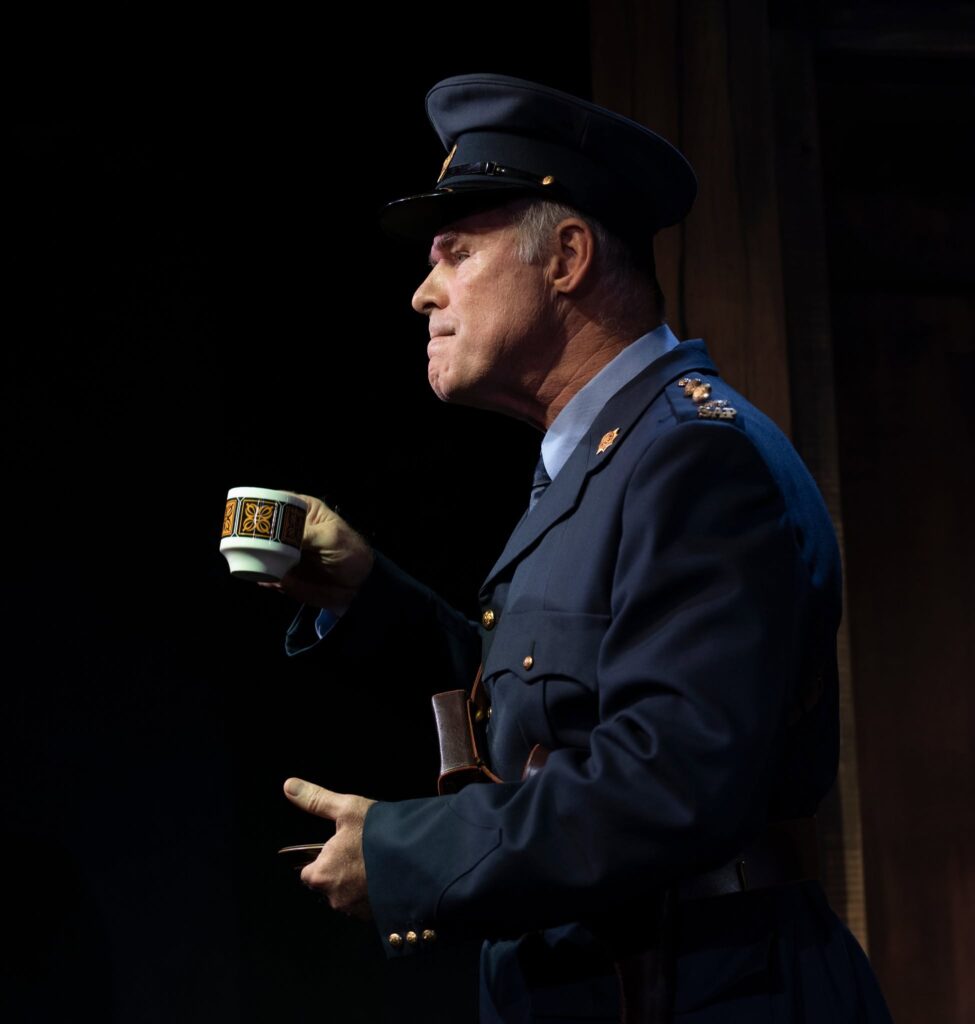
RISE ‘76 transports audiences to Molefe Secondary, a fictional school in Soweto. As the mid-year exams loom, student leaders “Bafana Buthelezi” (played by Alex Sono) and “Kedibone Moloi” (Zilungile Mbombo) find themselves in a heated confrontation with their principal, “Mr Alfie Ndlovu” (Botlhale Mahlangu), over the imposition of Afrikaans as a medium of instruction. The disagreement quickly escalates into a tragic turning point, altering the course of history and exposing apartheid’s brutality. Completing the cast are Deon Lotz, Mfuneli Ntumbuka, Sbuja Dywili and Ben Albertyn.
Since opening at the Baxter Theatre on 12 May 2026, the production has garnered widespread acclaim. Broadway World hailed it as “a haunting and powerfully human portrait of the Soweto uprising,” while legendary actress Thembi Mtshali-Jones praised its “emotional and historical weight”. Journalist and podcast host Nancy Richards described it as “worth seeing if only for the interpretation by the whole creative team and the power of the performers”.
Why Rise ’76 matters in South African theatre history
For The Market Theatre, RISE ’76 intertwines the theatre’s legacy with the country’s liberation history. Opening its doors just three days after June 16th, The Market Theatre joined the struggle against apartheid through bold and fearless storytelling. Fifty years later, the space is still home to the South African story in its abundant complexity, contradiction and humanity.
“This gripping play locates itself within, and further enriches, The Market Theatre’s five decades-long legacy of reflecting the South African story – one of resilience, meaningful human connection and the fight for justice. It is an impeccably researched production, while also being a piercingly honest and deeply humanising piece of historical fiction that re-examines the events leading up to – and the immediate aftermath of – the historic day with compassion and care for the affected families and lost lives,” says Greg Homann, Artistic Director at The Market Theatre Foundation.
With this play, Mashifane wa Noni, a two-time Fleur du Cap-winning playwright-director, brings a uniquely intimate and compelling exploration of the individual and collective memory of June 16 1976. The script derives from firsthand interviews, archival records and existing literature to ground the historical fiction in harrowing reality. Her artistic focus is on the ordinary and often overlooked details of the day; what she calls ‘the smaller ripple effects’ instead of the bigger narrative from history textbooks, important as that is.
“With an event of this magnitude, thousands of details can easily fall through the cracks. So, with this play, I have picked up what I think are only a couple of crumbs, but the crumbs do give us an idea of the various flavours of that terrible day,” she shares.
“What drew me to joining this project was not only the opportunity to reflect on something 50 years later with the hindsight of today, but also the challenge of telling a story that almost every South African knows, and finding ways to experience it anew. My philosophy in telling this very well-known story was to always remember that there is not one dominant ‘true’ voice. Rather, there are many different voices that can complement or contradict the greater historical narrative that we know.”
Why you should see RISE ’76
Don’t miss this fresh and captivating play by one of South Africa’s most exciting young voices, as told by a brilliant cast.Tickets for RISE ’76: The Story of June 16th are available on Webtickets from R110, including special half-price performances on 16 June and Wednesdays, discounts for preview performances and groups of four or more, and a further reduced price for school groups of 10 or more when booking directly with The Market Theatre.
As South Africa reflects on 50 years since the events of June 16, RISE ’76 serves as both a tribute and a reminder of the young people whose courage helped shape the nation. Having attended the official opening, TV Mzansi can attest to the emotional impact of the production, which honours history while encouraging new generations to engage with its lessons.