
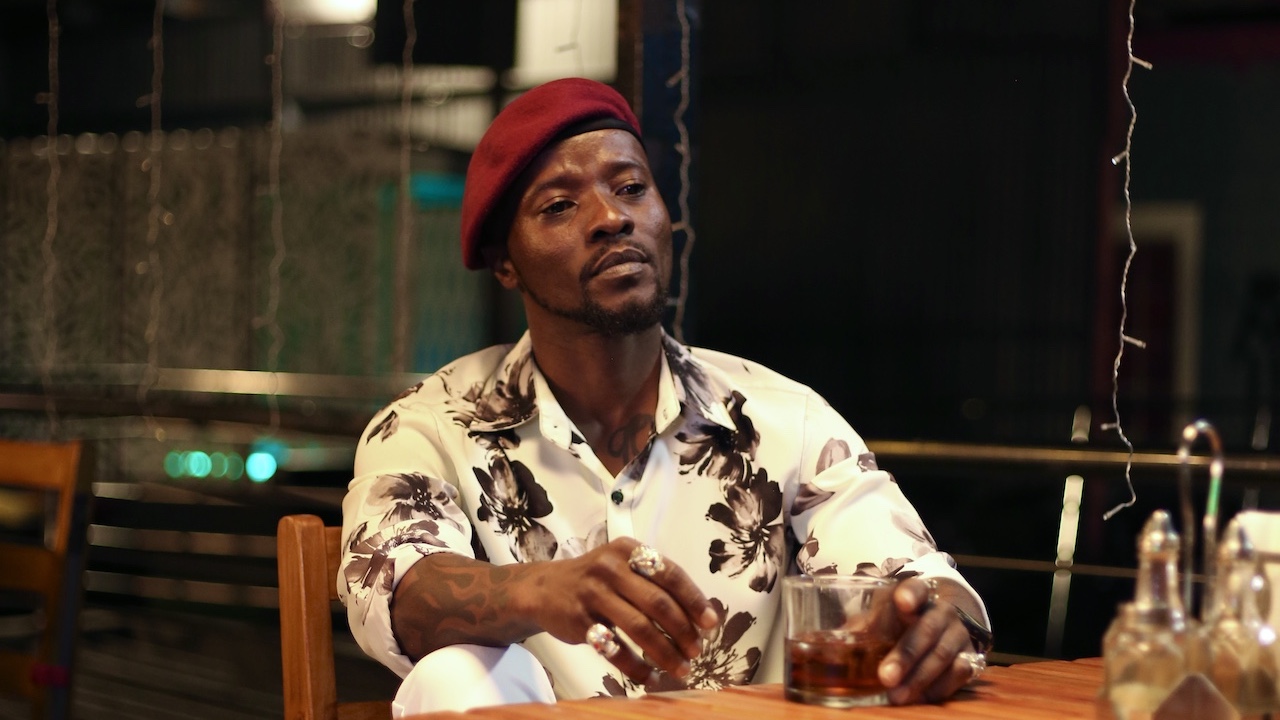
Abdul Khoza on joining Uzalo and stepping into a character reborn
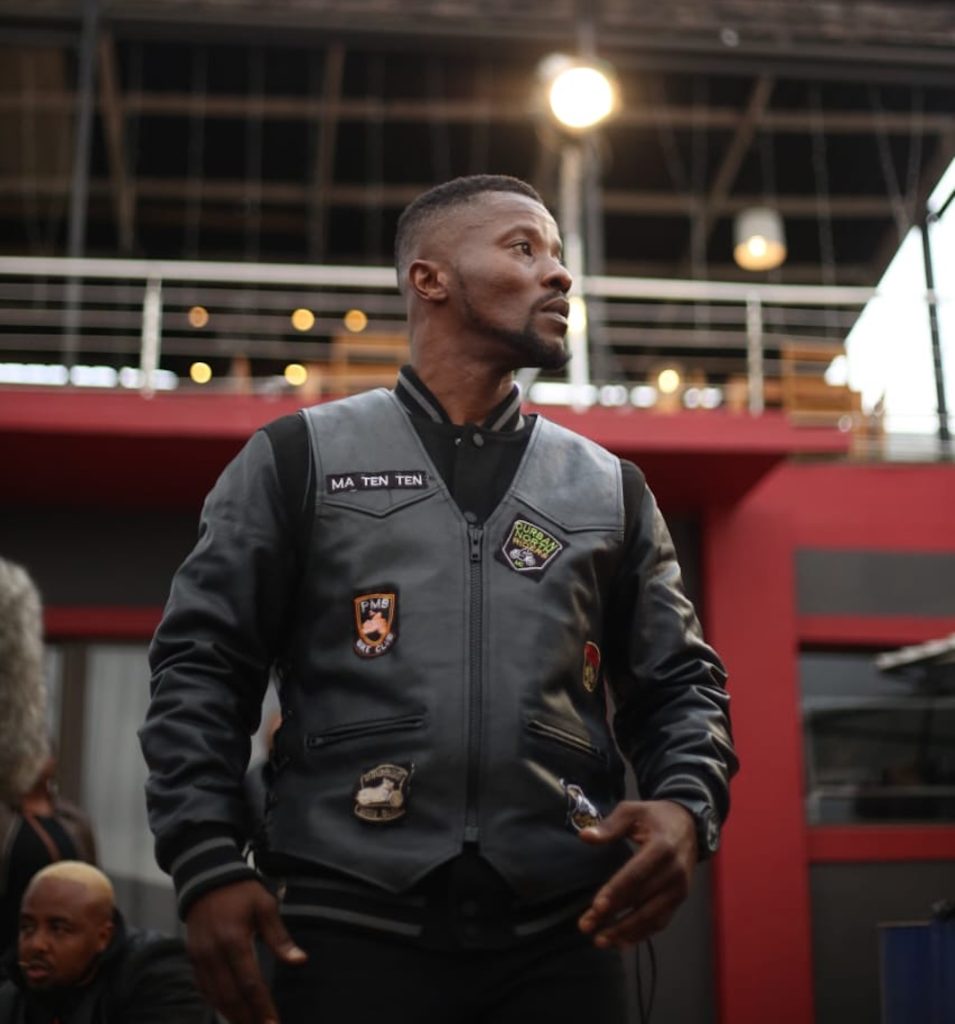
From the ruthless Qaphela Ngwenya in Isibaya, to the fearless Nqoba Zulu on The Wife, to the enigmatic Lester Khuzwayo in Kings of Jo’burg, and most recently the indomitable warrior Cija in Shaka iLembe, multi-award-winning actor Abdul Khoza has carved a career defined by extraordinary range and an unyielding devotion to his craft. More than a decade after his brief appearance in the first season of Uzalo, Khoza returns to our screens. What began as an idealistic humanitarian doctor has now evolved into Ma-Ten-Ten, the magnetic yet menacing leader of the Amantaliyane biker gang. Khoza’s re-emergence signals one of the drama’s most compelling new chapter, ushering audiences into a darker chapter of KwaMashu, where loyalty, power, and survival are tested at every turn.
The role carries profound personal significance for Mr. Khoza. He expresses that filming in KwaMashu, the very place where his father was born and raised has offered him more than a set but, sense of belonging and, it became a journey of reconnection, a return to roots that shaped his identity. It also marked a reunion with Stained Glass Productions, the creative powerhouse behind The Polygamist and The Wife, with whom he has already crafted unforgettable performances.
In conversation with TV Mzansi, Abdul Khoza reflects on his return to Uzalo after twelve years. He speaks to the evolution of Ma-Ten-Ten, a character reborn from the past, and why this chapter resonates as both a homecoming and the dawn of something entirely new. A narrative that promises to challenge, captivate, and redefine the landscape of South African television.
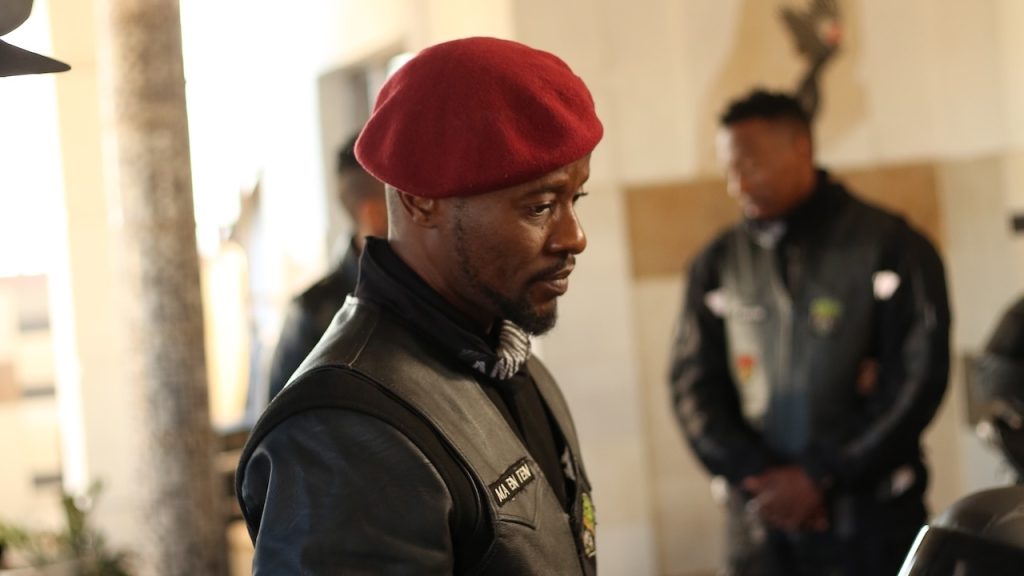
Can you share with us what it was like stepping into Ma-Ten-Ten?
For those who may not recall, this is the same man audiences encountered in the first season of Uzalo. My introduction back then was brief, and I could never have imagined that twelve years later I would return to inhabit him once more. At the time, he was an idealistic doctor, a man who genuinely believed he could heal and uplift his community through medicine.
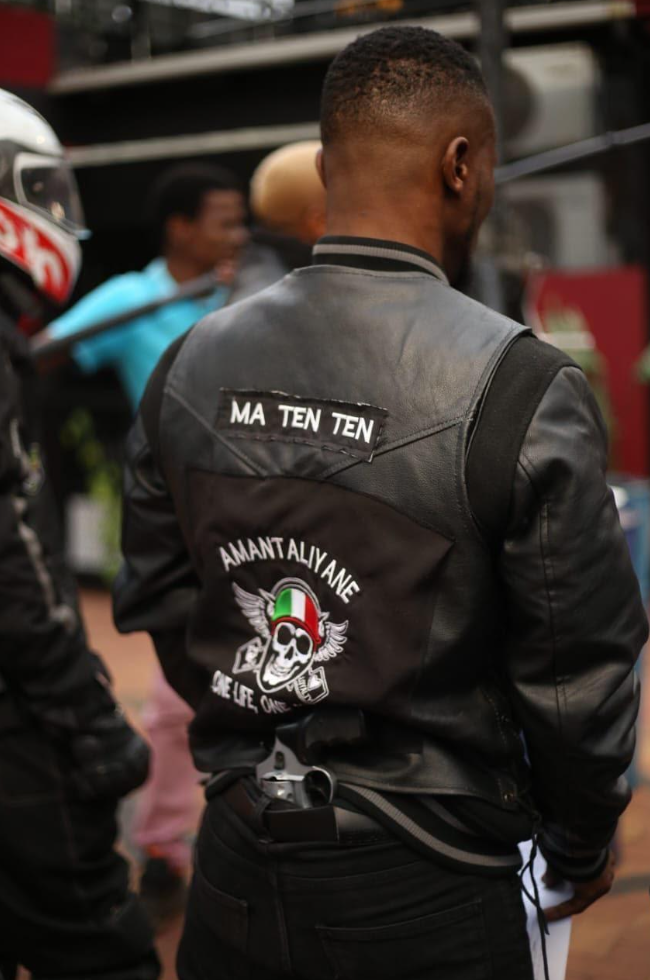

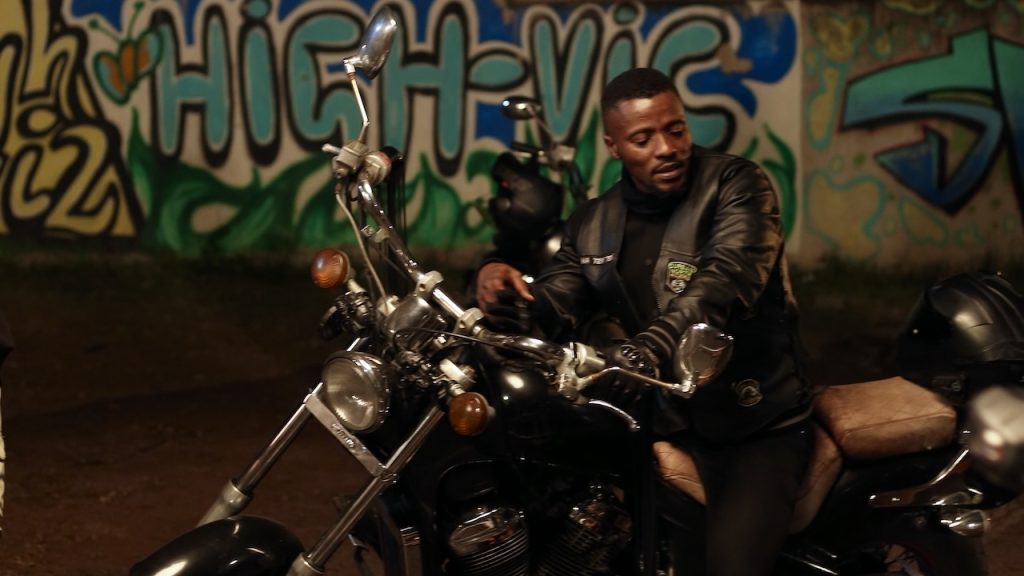
The doctor’s dream was pure, his vision noble however, when the very system he trusted turned against him, that dream collapsed. What followed was a transformation. Disillusioned by a profession that offered little reward for honesty and sacrifice, he walked away from medicine, severed ties with the life he once knew, and forged a new identity as the leader of the Amantaliyane biker gang. Now, Ma-Ten-Ten is a man who takes the law into his own hands, convinced that goodness yields no return and that survival demands more than integrity.
What has it personally meant for you to join this season?
For over twelve seasons, Uzalo has stood as the pride of KwaMashu. A production that began in the township and grew to command audiences across the larger society. To step into this legacy is to serve more than entertainment; it is to serve culture, heritage, and the spirit of a community that has carried the series with unwavering pride. While Uzalo speaks to viewers of every background, its heartbeat remains KwaMashu. For me, giving back to that community and representing it with selflessness is a responsibility I embrace fully. This return to screen is not simply another role, it is a restoration of self. To re-enter my career through a production born from home affirms the bond between my craft and my roots, reminding me that every chapter I play is also a chapter in the story of where I come from and, a lived experience of many South Africans.
Would you describe this as a full-circle moment?
Definitely!!! Returning to a production where my first appearance was a small role, one that at the time felt like just another job and now, stepping into a larger, more defining character is proof of something I have always shared with fellow actors: there is no such thing as a big or small role. What matters s the way you execute it, the truth you bring to it, and the respect you show for the story entrusted to you. This return has transformed those words into action-based evidence.
It reminds me that every role, no matter its size, carries the weight of a story that deserves to be told with integrity. To honor what producers, writers, and directors place in your hands is to elevate it beyond performance, it becomes a narrative that speaks to culture, to heritage, and to the human condition. In that sense, this moment is not only full circle; it is a reaffirmation of purpose. It is a reminder that the craft is larger than the actor, and that each return to screen is an opportunity to serve storytelling itself with humility, with devotion, and with the knowledge that art, when respected, always comes back to restore the self. For this reason, I embrace every role.
There was a time when I honestly thought I was done with acting. But having that period away from work gave me something incredibly valuable – time. I used that time to invest in myself. I started writing my own stories because I’ve always dreamed of owning my own production company. I’ve also got my own projects in the works, including work in Zimbabwe alongside collaborators from Germany, where I had to oversee everything from wardrobe and makeup to directing and acting.
What stood out to you about Ma-Ten-Ten when you first read the script?
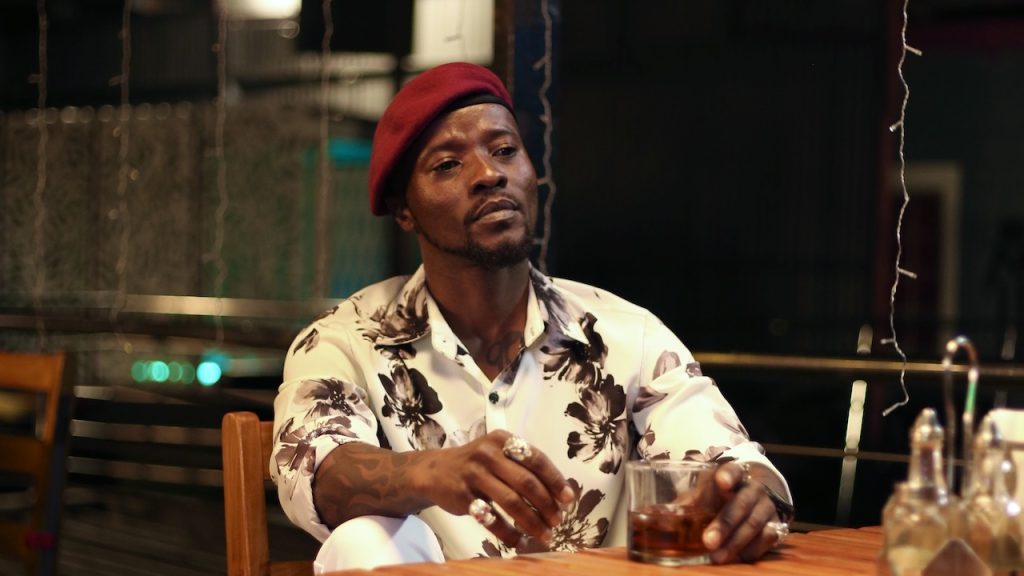
To be honest, Ma-Ten-Ten shocked me. Without revealing spoilers, audiences are introduced to him in a very dark and violent way. Yet his violence does not exist in a vacuum; it is born of experience, of betrayal, of a system that failed him. He is a man who has come to believe that if the system cannot deliver justice, then he must take the law into his own hands. Whether that is right or wrong is for the audience to decide.
From his perspective, every decision carries a reason, every act is rooted in survival. What makes Ma-Ten-Ten so compelling is that he is not simply aggressive or intimidating. He is smooth, charismatic, even humorous, a figure who can disarm with charm as easily as he can command with menace. I have been privileged to play extraordinary roles throughout my career, but Ma-Ten-Ten is unlike anyone I have portrayed before. He is a violent yet magnetic, feared yet strangely likeable. This character is not just entertainment, he is a mirror held up to the fractures of our world, a reminder that even the darkest paths are often paved with broken dreams.
How is the experience of partnering and working with Londeka Sishi?

There are countless wonderful things I could say about Londeka Sishi. First and foremost, she is an extraordinary human being deeply passionate about her craft and fearless in her pursuit of truth on screen. She is, without question, one of the most exciting young actresses of her generation. Her passion is relentless, and she pours herself into every scene with a commitment that is both inspiring and infectious.
This was my first time working alongside her. I had only known her through the industry, but now I fully understand why she is held in such high regard. What I admire most is how she has embraced this role with conviction. Neither of us are gangsters in real life, yet our task was to find the truth within these characters and make audiences believe them. She has done that brilliantly, embodying the complexity of her role with authenticity and grace, I am honored to share a stage with her and wish her well in her future endeavor.
Final question, the great news this July about the Khoza brothers returning to television, how has that been for you?
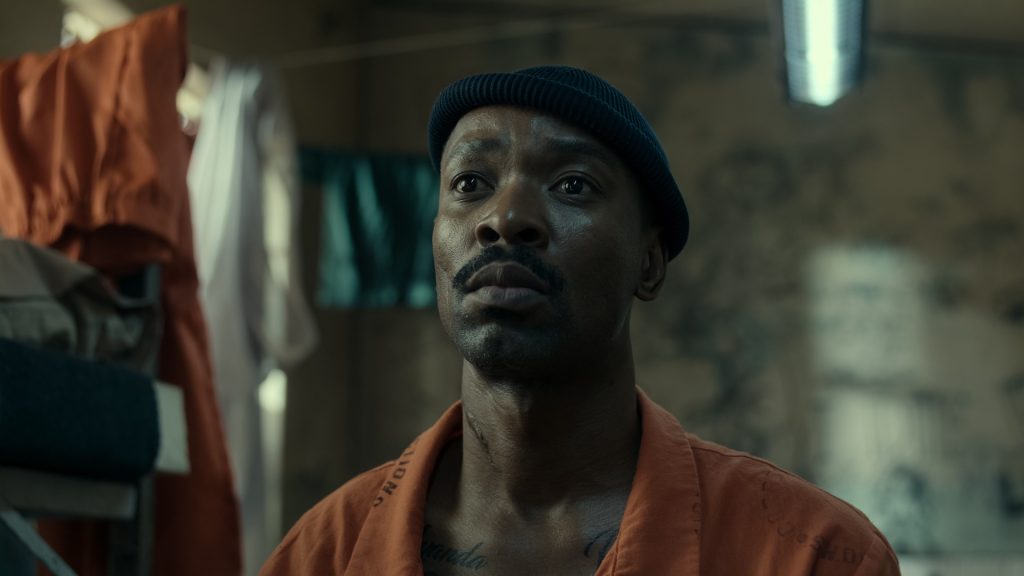
When the news broke this July, my brother and I were together in Durban, he was right by my side during the Amantaliyane tour. In that moment, it felt as though our journeys had aligned once more. I was announced as part of Uzalo, while Sthembiso Khoza was revealed to be joining Umthetho on Netflix, premiering 14 August. That parallel return is not coincidence; it is testament to the brotherly love and support that fuels this engine we call our careers.
Our story is not only personal, it speaks to the wider cry of South African performers. Too often we see great legends circulating on social platforms, remembered for their brilliance but living in poverty and without work, while productions they once carried continue to generate revenue years after their contributions. This is the painful truth: talent alone cannot sustain legacy. There must be structures, investments, and protections that ensure artists leave behind more than applause. Our hope and our advocacy are that the industry evolves to honour its performers with dignity, to safeguard their futures, and to build a system where art is not only celebrated but sustained. Fame must translate into legacy, and legacy into security.
It is not just about two brothers stepping back onto the screen; it is about urging South Africans to continue showing their love and support for the Khoza brothers, and for every artist who serves this craft. Because in the end, our careers are not only ours, they are vessels of stories of a nation.
Uzalo continues to evolve through bold storytelling and unforgettable characters. Viewers can catch Abdul Khoza as Ma-Ten-Ten from Monday to Friday at 20:30 on SABC 1 also simulcast on SABC Plus.