Loren Loubser on Koek and telling authentic stories
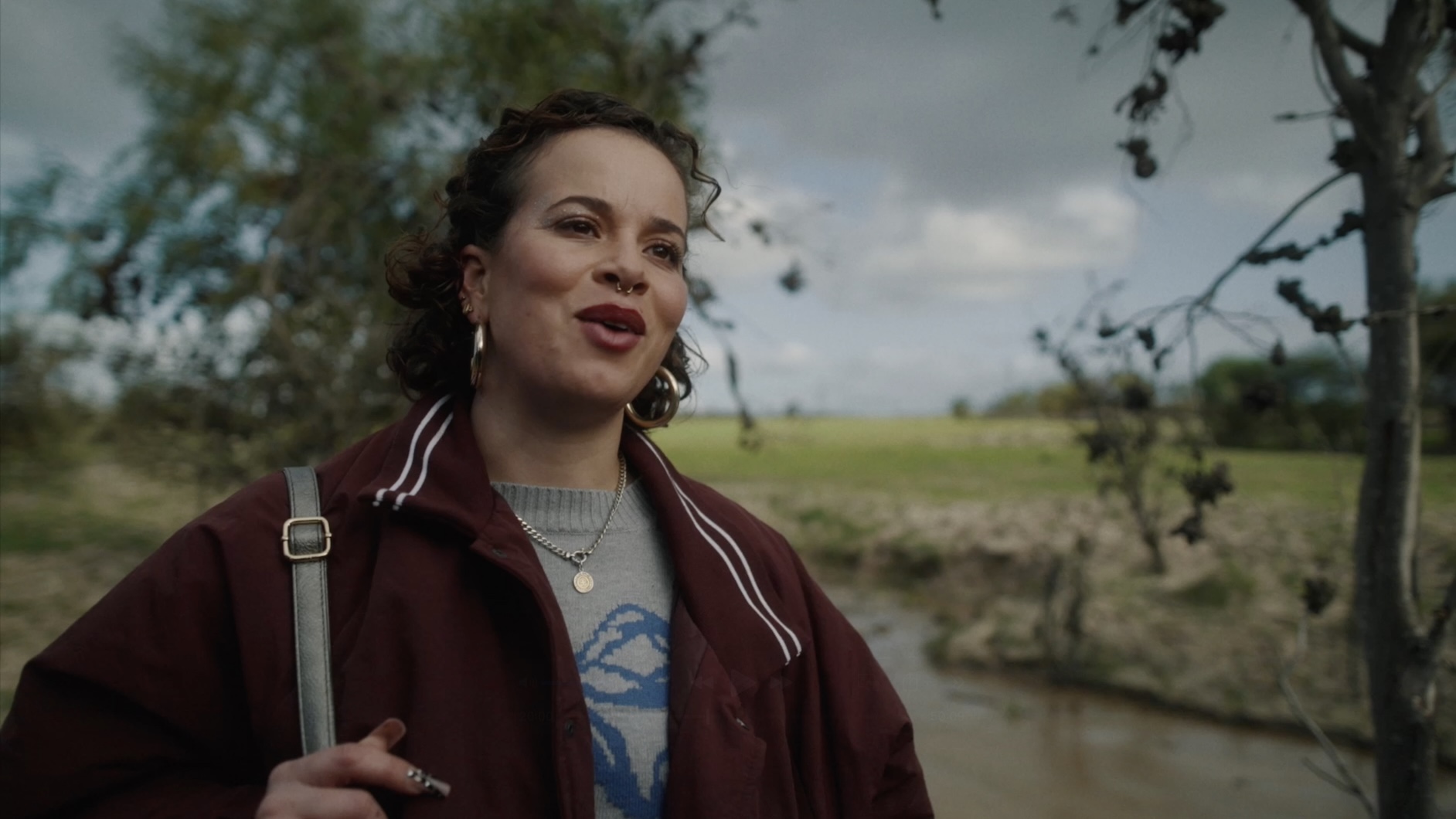
Loren Loubser has become one of South Africa’s most exciting creative voices. The queer actor, writer, director and intimacy coordinator is no stranger to acclaimed productions, with screen credits including Recipes for Love and Murder, The Heart Is a Muscle and the International Emmy-nominated crime-comedy Koek, where Loubser portrays the unforgettable Bokkie.
The Heart Is a Muscle, South Africa’s official submission for the 98th Academy Awards, earned Loubser the Best Supporting Actress award at the 2025 National Film & TV Awards South Africa.
Beyond acting, the Cape Town-born creative has become one of South Africa’s leading intimacy coordinators, helping shape productions including Blood & Water, Fatal Seduction and, most recently, Peacock‘s original film Strung. Behind the camera, Loubser continues to tell stories as a writer and director, with the directorial debut, Removed, which became one of the most-watched short films at the 2021 Durban International Film Festival.
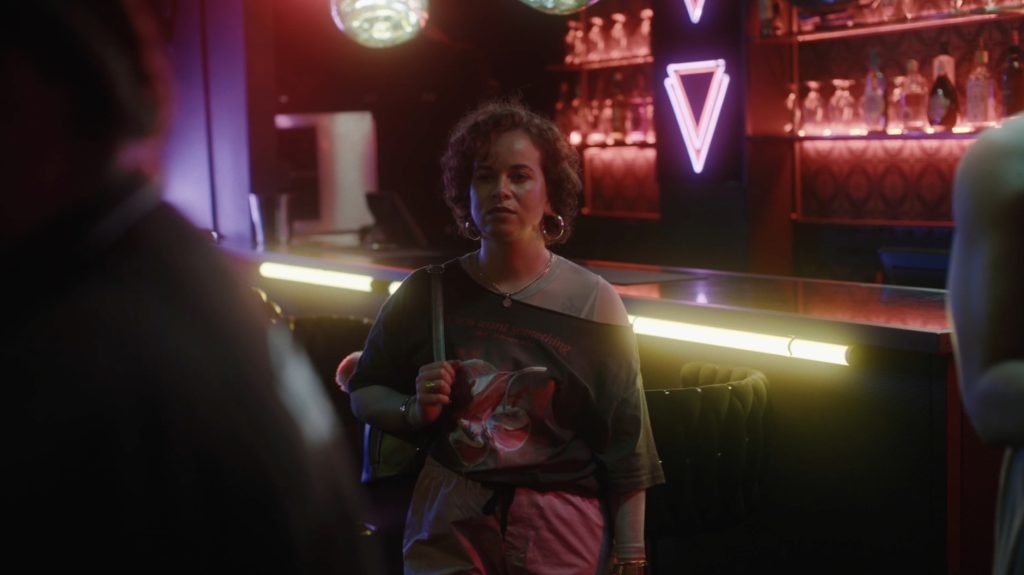
In Koek, the National Film & Television Awards winner plays Bokkie, who begins the series as a charismatic stripper before finding herself caught in a dangerous web of organised crime. What starts as an unlikely romance with Stefanie, the daughter of mob boss and strip club matriarch Mookie, quickly spirals into something far more sinister, placing Bokkie at the centre of one of Season 2’s most compelling character arcs.
TV Mzansi caught up with Loubser to discuss Koek‘s International Emmy recognition, Bokkie’s evolution, authentic representation on screen, intimacy coordination, and the importance of telling stories that reflect the full diversity of South African communities.
Looking back since Koek Season 1 premiered, what do you think has made the show resonate so strongly with audiences?
I think Season 1 had such a big impact because it was a local show made for local audiences. The concept itself was fresh, a strip club secretly connected to organ trafficking, the mafia and this underground criminal world in South Africa that we’re usually too afraid to put on television. Being able to explore that world in a crime-comedy format felt refreshing because it’s not something we see often. I think that’s also what appealed to international audiences. The show even received an International Emmy nomination, which was incredible. A strip club is also the perfect setting because people from every walk of life come through those doors. It’s like setting a crime series inside a shopping mall. Every type of character naturally exists in that space. Putting a crime-comedy inside a strip club gave us the perfect environment for all those stories to collide.
Bokkie had one of the biggest character journeys on the show, going from being a stripper to becoming involved with the surgical team, while also falling in love. How has it been exploring that evolution as an actor?
When Season 1 started, I was simply excited to play a stripper because Bokkie was such a funny character. She had so many comedic moments, and it was an interesting perspective on someone working in that environment.
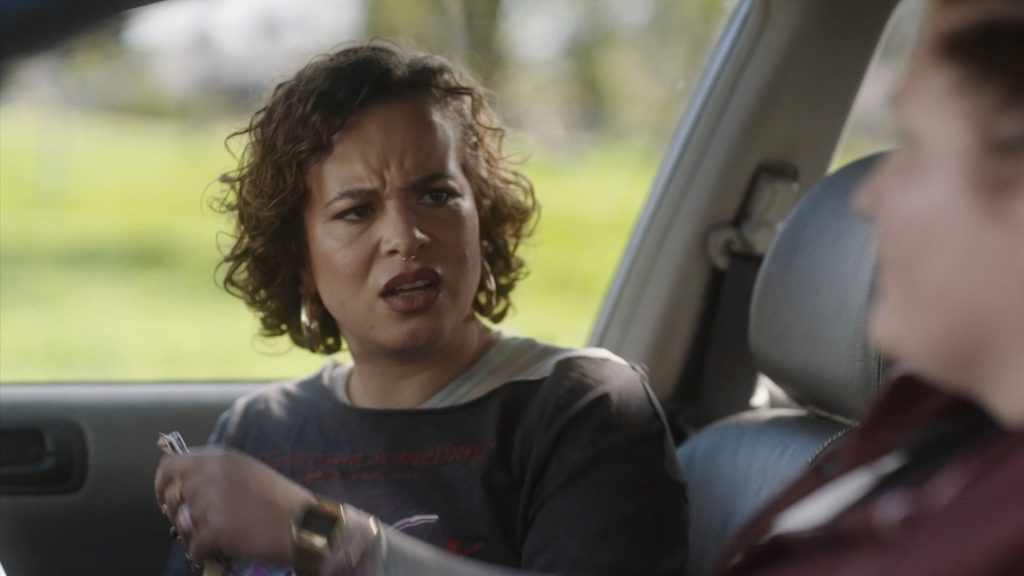
In Season 2, Bokkie is dating Stefanie (played by Llandi Beeslaar), and together they form this really wholesome queer relationship, at least in the beginning. Then it slowly becomes toxic. It was fascinating portraying jealousy in a relationship between two women because we don’t often get to see that represented on screen. Bokkie becomes completely obsessed with Stefanie. She’s convinced she’s cheating because Stefanie keeps disappearing, so she starts investigating. Eventually she discovers that something much bigger is happening, and that’s what draws her into the harvesting operation. Throughout the season you watch this lovers’ conflict unfold over several episodes, and I think audiences will either be rooting for Bokkie or screaming at the television for her to get out before it’s too late.
Season 2 also sees Bokkie thrown into much bigger action sequences. What was that experience like to film?
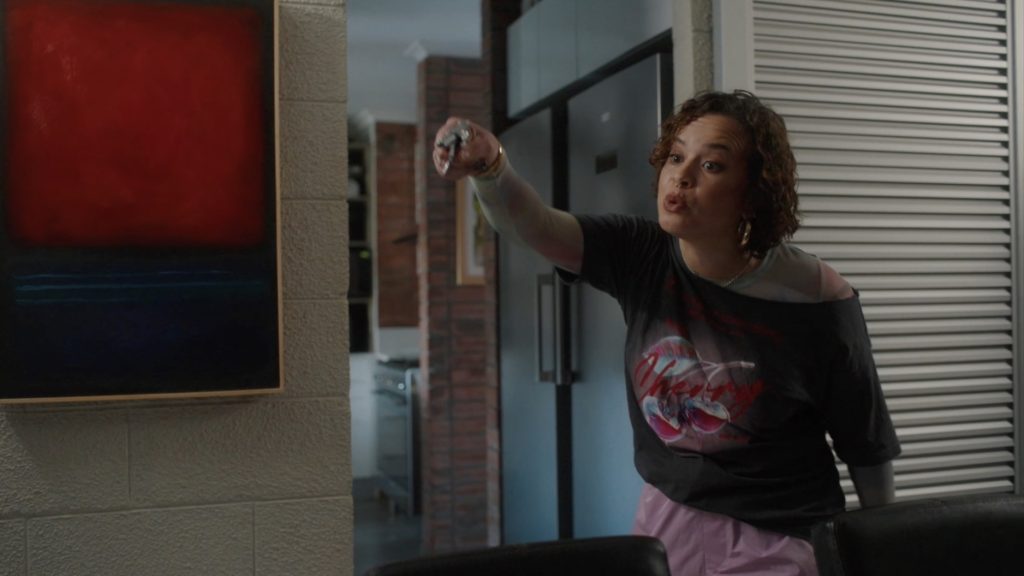
I got to do a lot more physically this season. I did most of the driving myself, which was quite hectic. There was so much camera equipment mounted onto the car that at one point I wondered if I could even see properly. When Bokkie gets shot, I had to fall into a really deep hole. We shot that scene so many times that by the end I felt like a professional stunt performer. I’d done weapons training before and had experience handling firearms, but I still went through proper gun training for the tiny pistol Bokkie uses in the show.
Why do you think it’s important to tell stories that are rotted in Coloured communities?
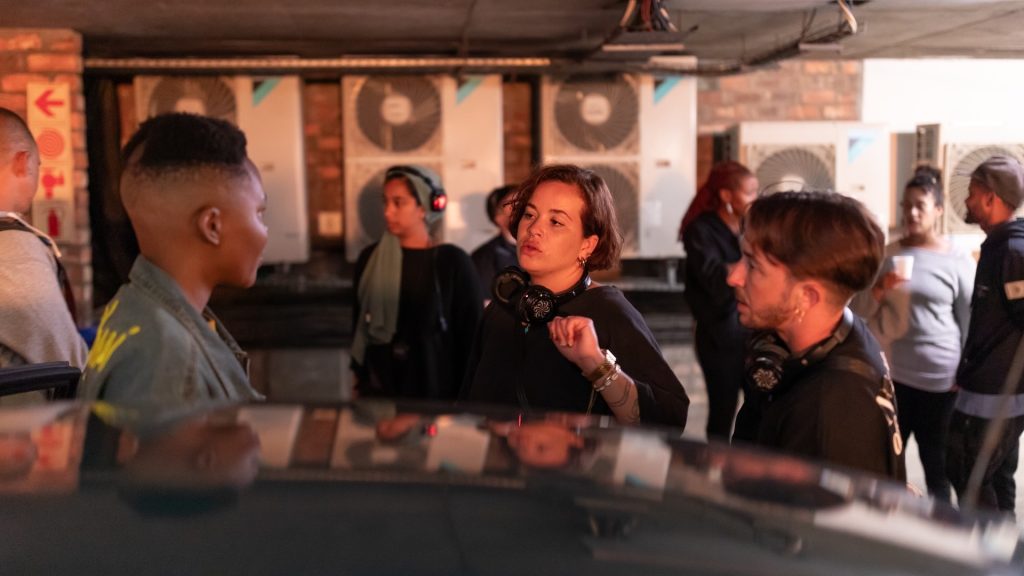
I actually just finished shooting a television series that’s set in Ocean View, where my family are from and where I spent many of my formative years. One of the things I love most about telling stories from these communities is that it allows us to show just how diverse Coloured communities really are. For so long, Coloured characters on television have largely been associated with gangsters, drugs, violence and crime. Those stories absolutely exist, and they should be told. But they shouldn’t be the only stories we tell. Representation means showing the full spectrum of our communities. It’s about going into those communities, listening to the people who live there and telling authentic stories instead of repeating the same stereotypes over and over again. I’d love for us to continue telling stories that celebrate just how diverse our communities really are.
You’re also an intimacy coordinator and have worked on productions like Fatal Seduction, and the film Strung. From your perspective, what do you wish audiences understood about intimacy coordination?
When I first entered the field, I assumed I’d mainly be working on productions with lots of nudity and simulated sex because, at the time, Showmax and Netflix were producing many shows with intimate content. What I quickly realised is that South Africans are still very conservative. We’ve seen actors receive backlash from churches, families and communities simply because audiences believe what they’re seeing on screen is real. People still refer to actors by their character names. They’ll see someone in public and call them by the character they’ve played instead of their real name. Then they judge those actors for scenes their characters were involved in, especially intimate scenes.
Many viewers genuinely believe the actors actually had sex on camera. That’s simply not true. It’s very similar to stunt work. If someone gets stabbed in a film, nobody believes they were actually stabbed. We understand its choreography. Intimacy is exactly the same. Our job is to create something that feels authentic while making sure nobody is uncomfortable or unsafe. Actors are carefully protected throughout the process. They’re often wearing specially designed garments with padding and protection. Their bodies aren’t making direct genital contact. Sometimes it’s hip-to-hip, leg-to-leg or there might even be a cushion or Pilates ball between them. The audience never sees any of that because the choreography and camera angles create the illusion. People watch the finished scene and think, ‘They actually had sex.’ They didn’t. It was carefully choreographed to look real.
What have you enjoyed most about the job, and what do you wish more productions understood about intimacy coordination?
I’ve honestly had an incredible experience working as an intimacy coordinator. South Africa has unbelievably talented actors. I worked as the second intimacy coordinator on Fatal Seduction and Blood & Water, and I’ve also been the lead intimacy coordinator on productions including They Will Kill You, Yoh! Bestie, Love and Wine, Strung, Black Burns Fast and Lilies Not for Me.
I’ve also had the opportunity to work with international performers. I’ve worked with Chloe Bailey, Zazie Beetz and several other incredible actors. Part of my responsibility is making sure they feel safe, respected and supported throughout the process. You build a really close relationship because they’re trusting you during some of their most vulnerable moments. It’s a beautiful process when productions involve intimacy coordinators from the beginning. The difficult situations are when you’re only called after something has already gone wrong. A film set should always be a safe space because everyone is working towards the same goal.
Tell me a little about some of those projects you’re working on, and what kinds of stories you’re still passionate about telling?
Ever since I graduated, I’ve always believed in making your own work. Whenever I speak to students, that’s the advice I always give them. Shoot something on your phone. Write your own stories and don’t wait for permission. One of the earliest projects I worked on was Jenna Bass’s film High Fantasy and the entire feature was shot on an iPhone. When I first heard the idea, I thought it sounded incredible. Not only was it shot on a phone, but we also helped workshop and develop our own dialogue throughout the process. That film changed my life. It took me overseas for the very first time. I travelled to the Africa in Motion Festival and later to the Berlin International Film Festival. All because of a film shot on a phone. That really reinforced the idea that you don’t need expensive equipment to tell meaningful stories.
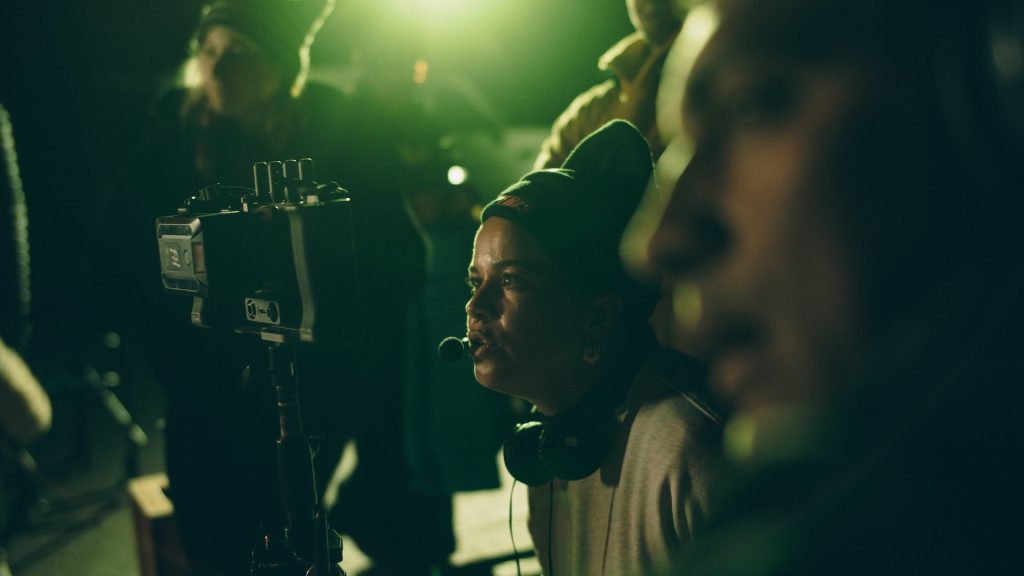
During lockdown, my friends and I used to shoot comedy sketches on our phones. During lockdown we made parodies of Love Island, Love Is Blind and other reality shows. Creating those videos honestly kept me sane. Even today, I still make my own projects. I also had the opportunity to collaborate with my friend Kiroshan Naidoo on Till Next Time, a queer, polyamorous web series he created for Instagram. It went on to earn a SAFTA nomination, and we’re actually about to shoot another season. Those are the kinds of projects I love. Making work with your friends while you’re waiting for the next professional job.
Gabe Gabriel and I also wrote a short film that was under ten pages long. We submitted it to the British Film Institute and received production funding. The National Film and Video Foundation also came on board, and we produced this quirky queer horror short over two days. It’s gone on to screen at festivals all over the world, including the Inside Out Toronto LGBTQ+ Film Festival. Moments like that remind you why it’s so important to keep creating. You never know where a small project might take you.
Watch Loren Loubser as Bokkie in the second season of Koek, now available to binge on DStv Stream.
➼ Also READ