
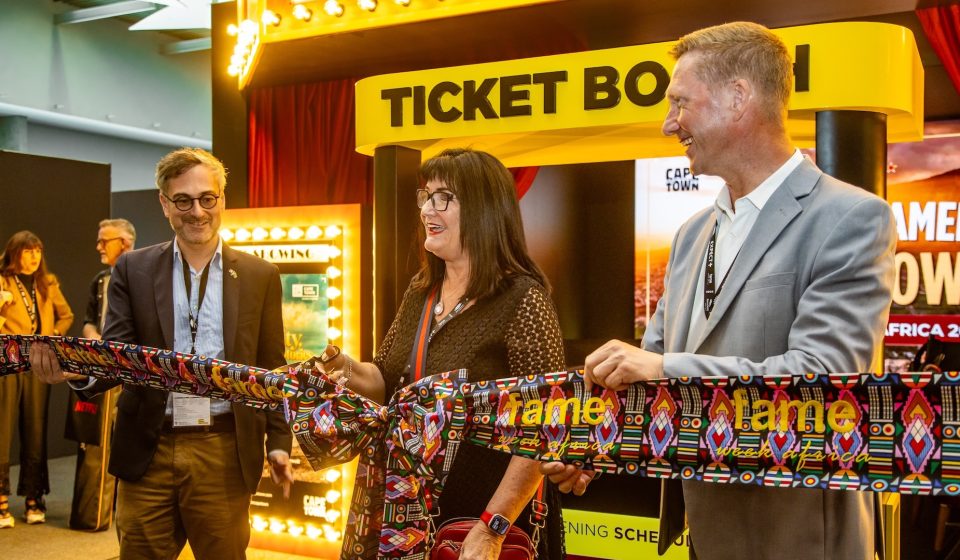
FAME Week Africa 2026 opens bold stories and global connections
FAME Week Africa 2026 officially opened its doors at the Cape Town International Convention Centre (CTICC 2) today, bringing together Africa’s film, television, music and entertainment industries for three days of business, collaboration and conversations shaping the future of the continent’s creative economy.
Under the theme “Africa. Untold. Unstoppable”, this year’s edition places African creativity firmly in the spotlight, connecting the continent’s storytellers, producers, musicians and content creators with international buyers, broadcasters, distributors and industry decision-makers. With France taking centre stage as the 2026 Destination Focus, the event opened with a strong emphasis on international collaboration, original African intellectual property and the opportunities emerging across the global entertainment landscape.
From FAME Week Africa to the stage: a song comes full circle
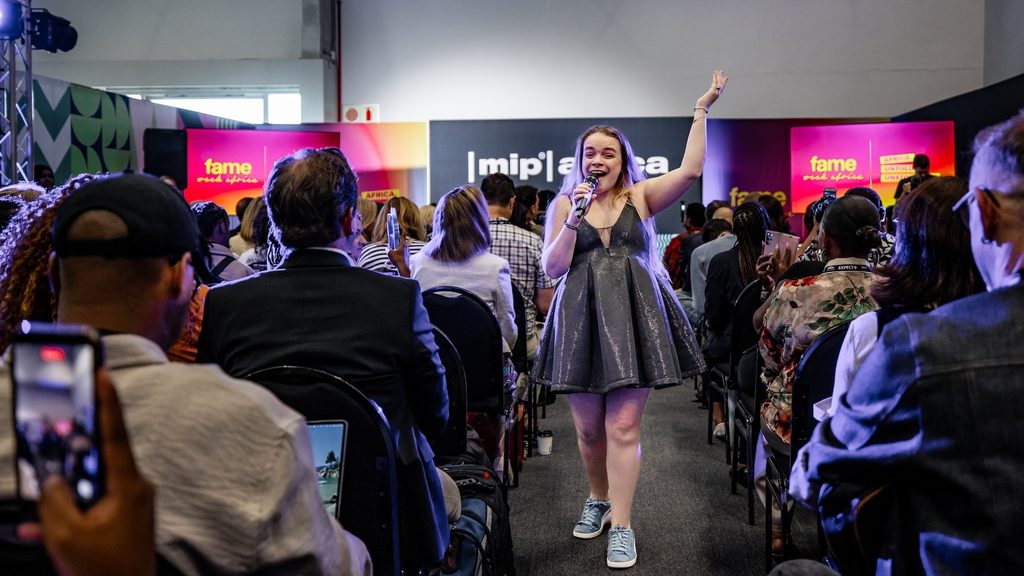
One of the opening day’s highlights was a special performance by South African singer-songwriter Amy Tjasink, who took to the stage with ‘Feels Like Mzansi’, a contemporary reimagining of Mango Groove‘s iconic hit ‘Special Star’. Released through Gallo Remixed in December 2025, the track has a particularly meaningful connection to FAME Week Africa. The song was written during the FAME Week Africa x Pressure Cooker Studios Songwriting Camp in 2025, making its performance at this year’s opening a full-circle moment.
What began as a creative opportunity at FAME Week Africa has become a released recording, demonstrating the tangible outcomes that can emerge when artists, industry partners and creative talent are brought together.
For Martin Hiller, Portfolio Director of FAME Week Africa, the performance captured the purpose behind the event.
There’s something incredibly special about opening FAME Week Africa with a song that exists because of FAME Week Africa. Feels Like Mzansi is a perfect example of what we’re trying to achieve. We talk about connecting people, creating opportunities and encouraging collaboration, but this is what that looks and sounds like in practice. A song conceived at FAME Week Africa is now being performed on our opening stage. That’s what excites me about this event. It’s not just about what happens over these three days. It’s about the music that gets made, the films that get produced, the deals that get signed and the relationships that continue long after everyone has gone home.
France sets the stage for international collaboration
The celebrations began on Tuesday evening, 27 October, when France, this year’s Destination Focus, hosted an exclusive welcome reception at Cape Town’s historic Labia Theatre. The France Cocktail Welcome Party brought together international delegates, filmmakers and industry stakeholders for an evening of networking and cultural exchange, culminating in a special screening of The Phantom of the Opera.
The evening marked the beginning of France’s participation as Destination Focus 2026, highlighting the opportunities for stronger creative and commercial relationships between African and French audiovisual industries. With international partnerships a central focus of this year’s event, France’s involvement reinforces FAME Week Africa‘s role in connecting African talent and intellectual property with established global markets.
African stories, global audiences and the future of film
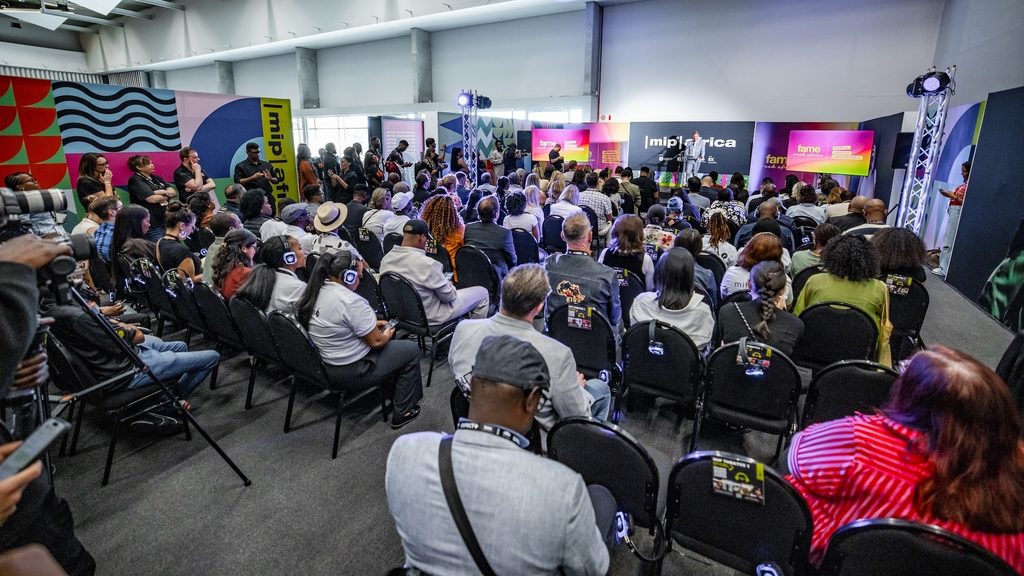
Day one of MIP Africa placed the business and future of African storytelling firmly on the agenda, with conversations examining how technology, changing audience behaviour and international distribution are reshaping the screen industries.
The growing influence of artificial intelligence was explored in AI in Film & Content: Tool, Threat, or Competitive Advantage?, while The Netflix Effect: Local Stories, Global Audiences examined the opportunities for African productions to reach international viewers. Representation and industry access were also key themes. Beyond the Same Stories: Opening the Industry to New Voices focused on broadening participation in the screen sector, while Women Shaping Africa’s Screen Future highlighted the leadership and influence of women across the continent’s film and television industries.
The programme also turned its attention to the development of new creative talent, with animation, gaming and emerging industry skills forming part of discussions on building a competitive and sustainable African entertainment sector.
Beyond content creation, sessions explored the commercial realities of taking African stories to market. Signals from the Continent: Trends Reshaping African Creativity examined developments influencing the industry’s direction, while Beyond Adaptation: How Stories Travel Across Cultures considered how intellectual property can connect with audiences across different markets.
The international dimension continued with Ivorian Cinema: From a Foundational Memory to a Rebuilding Industry Open to the Continent, offering insight into Côte d’Ivoire’s evolving film industry and opportunities for greater cooperation across African markets.
Together, these discussions placed the spotlight on a central priority for MIP Africa: ensuring that African creativity translates into viable productions, distribution opportunities and sustainable businesses.
Muziki Africa puts the business of music in focus
Africa’s music industry also featured prominently on the opening day, as Muziki Africa brought together artists, producers, publishers and industry professionals to address the changing commercial landscape.
With digital platforms, artificial intelligence and evolving audience behaviour transforming the music business, discussions focused on rights management, revenue generation, artist development and the relationship between music and screen content.
Music Rights & Revenue: Navigating the Commercial Digital Landscape examined the challenges and opportunities surrounding ownership and monetisation, while Beyond the Brief: How Collaboration Between Music & Content Creators Elevates Storytelling explored the growing relationship between music and visual entertainment.
The programme also looked at the changing role of the modern artist. From Talent to Brand: Building an Artist That Lasts and More Than Music: Artists, Creators & the New Attention Economy addressed the importance of entrepreneurship, audience development and building sustainable careers in an increasingly competitive industry. The discussions reinforced Muziki Africa‘s focus on connecting creative talent with the business knowledge, partnerships and commercial opportunities needed to grow the continent’s music sector.
Turning African creativity into business
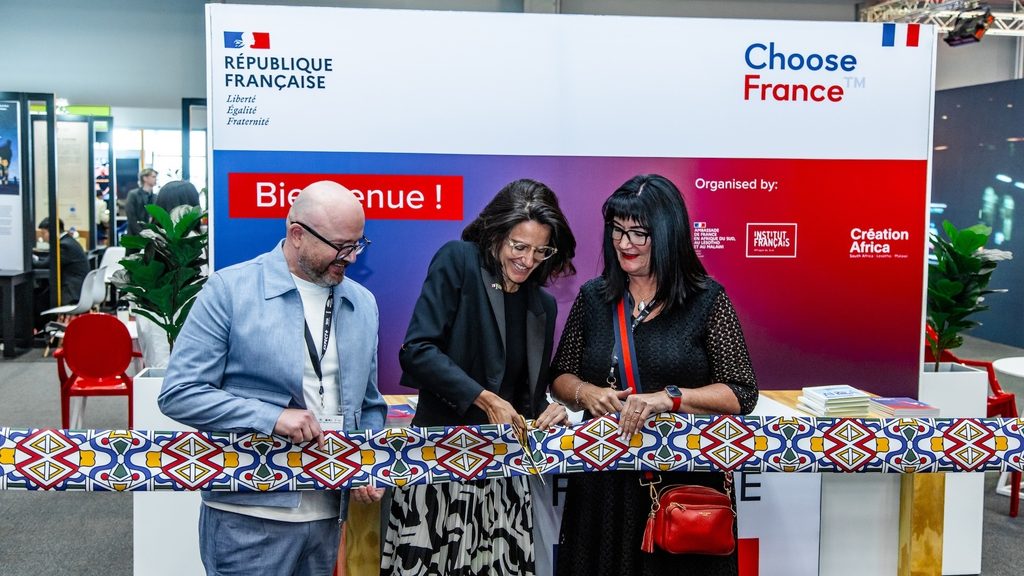
While the opening day celebrated the diversity of African storytelling and talent, the underlying focus was clear: creating commercial opportunities for Africa’s creative industries.
Through MIP Africa and Muziki Africa, FAME Week Africa brings creators and rights holders into direct contact with the broadcasters, streaming platforms, distributors, producers and industry partners who can help take their work to market. From developing original intellectual property and exploring co-productions to understanding new technologies and accessing international distribution networks, the opening programme reflected the industry’s growing emphasis on sustainable business models and cross-border collaboration.
“There’s no shortage of talent or original stories coming out of Africa,” added Hiller. “The opportunity is in connecting that creativity with the right people, investment and markets.
“That’s why FAME Week Africa is so important. We’re creating an environment where business can happen, where new voices can be discovered and where African intellectual property can find its place in the global entertainment economy.
“Africa has the stories. Africa has the talent. And we need to make sure Africa is part of the business.”
FAME Week Africa 2026 continues until 30 October at CTICC 2, with further industry discussions, business meetings, content showcases, pitching opportunities and networking events across MIP Africa, Muziki Africa and the African Fashion Forum.
The FAME Shorts Film Festival follows from 30 October to 1 November at The Rockefeller Hotel in Cape Town, showcasing independent filmmaking talent from Africa and around the world. With its opening day setting the tone for three days of industry engagement, FAME Week Africa 2026 continues to champion its central message: Africa. Untold. Unstoppable.
Register today to secure your delegate pass and join the leaders shaping Africa’s creative economy. Register now: https://register.fameweekafrica.com/