
Durban International Film Festival 2026 unveils student film line-up
The 47th edition of the Durban International Film Festival (DIFF), presented by the Centre for Creative Arts at the University of KwaZulu-Natal, has officially announced the line-up of student films selected for this year’s edition, running from 23 July to 2 August 2026.
Widely regarded as the oldest and largest film festival in Southern Africa, Durban International Film Festival continues to serve as a vital platform for emerging filmmakers, with its student category standing as a cornerstone for nurturing the next generation of global and African cinematic voices. This year’s official selection features 12 films representing a dynamic mix of local South African talent and international voices from Canada, Iran, Spain, Nigeria, South Korea, Uruguay, and Morocco. The programme reflects a striking range of themes and genres—from neo-Western thrillers and intimate family dramas to experimental storytelling and stop-motion animation.
According to DIFF Festival Manager Sakhile Gumede, the selection captures the urgency and imagination of a new wave of filmmakers:
“The student line-up offers an unfiltered, fiercely passionate look at where global cinema is heading.”
“These emerging directors are tackling complex familial, societal, and psychological landscapes with striking artistic confidence. DIFF is proud to provide them a world-class platform to showcase their vision alongside industry veterans.”, he adds.
Official DIFF 2026 Student Selection
South African Showcases
But First Do No Harm – Directed by Erin Mika Harding (UCT’s Centre for Film and Media Studies)
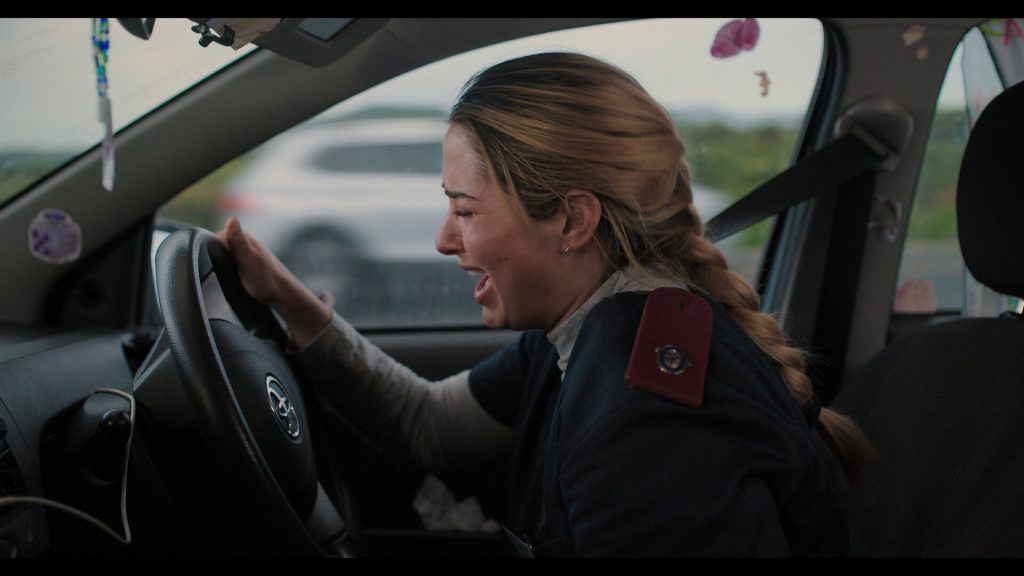
A story of self-sacrificing mother trapped by the demands of her life decides to take back control on her way to work one morning by surrendering to her darkest thoughts.
Just Like Clockwork – Directed by Saeedah Sayed (The Animation School)

Milo, a clocksmith, has become dull and passionless due to his reliance on a magic tool that effortlessly repairs watches and clocks for him. One day a confident 10-year-old girl, Mina, brings in her late father’s broken pocket watch, unaware that it holds magic of its own. The watch creates a forcefield that prevents Milo’s tool from fixing it. After failed attempts the forcefield breaks. The pocket watch is destroyed and the tool loses its magic. Distraught, Milo inspects a photo that flew out of the watch – Mina and her father, whose dog tags were chained to the watch. He fixes it by hand, restoring his passion for his craft.
Melusi – Directed by Ntokozo Lwazi Mlaba (AFDA)
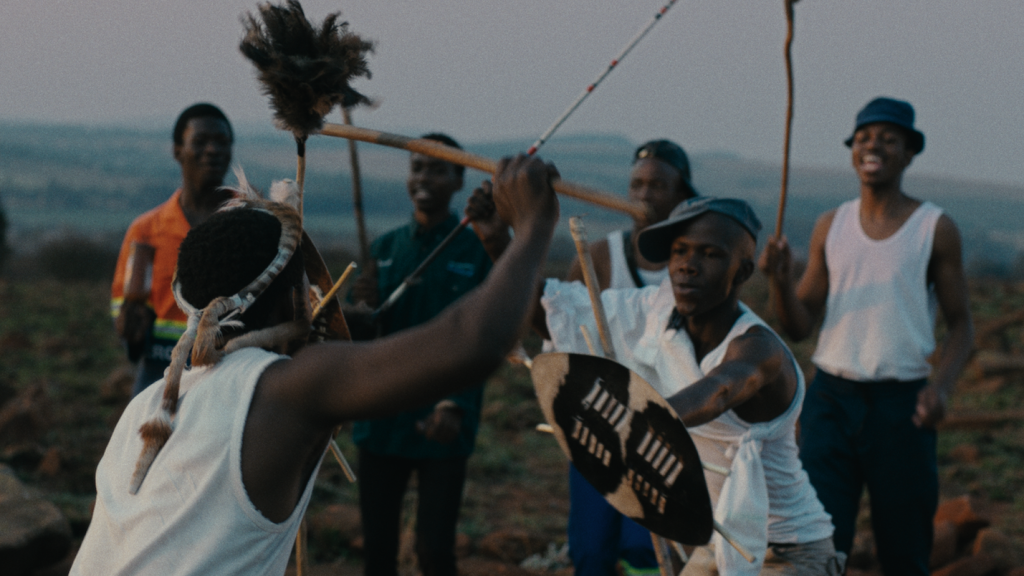
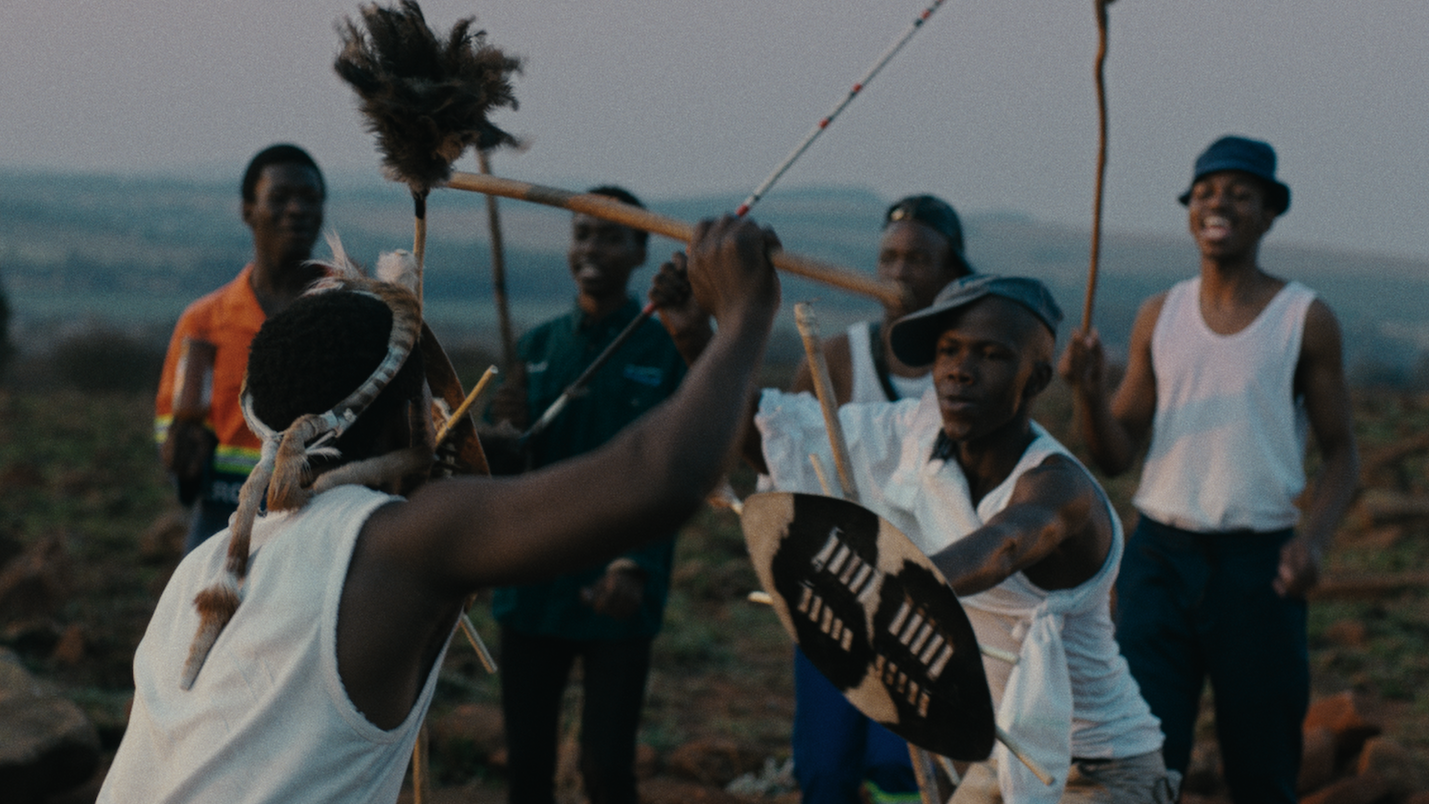
Set against the backdrop of Ingoma, the tradition of cultural song and dance for the prize of a sheep, this rural South African drama follows Melusi, a village shepherd who steals the prize sheep to raise money for his commute to Johannesburg. Melusi, his friends, and girlfriend Ntombi contrast with societal expectations, believing you cannot play by the rules of a game built to lose. As Ingoma is cancelled and tensions rise, Ntombi becomes the target of a powerful elder’s marriage proposal, pushing the couple into an attempt to flee. Their plan is thwarted, Ntombi meets a tragic fate, and he leaves for Johannesburg alone, shattered and reflecting on the cost of dreaming.
Mine of Blood – Directed by Thabang Mogoane Mhlabane & Olwethu Kuhle Dumzela (AFDA)
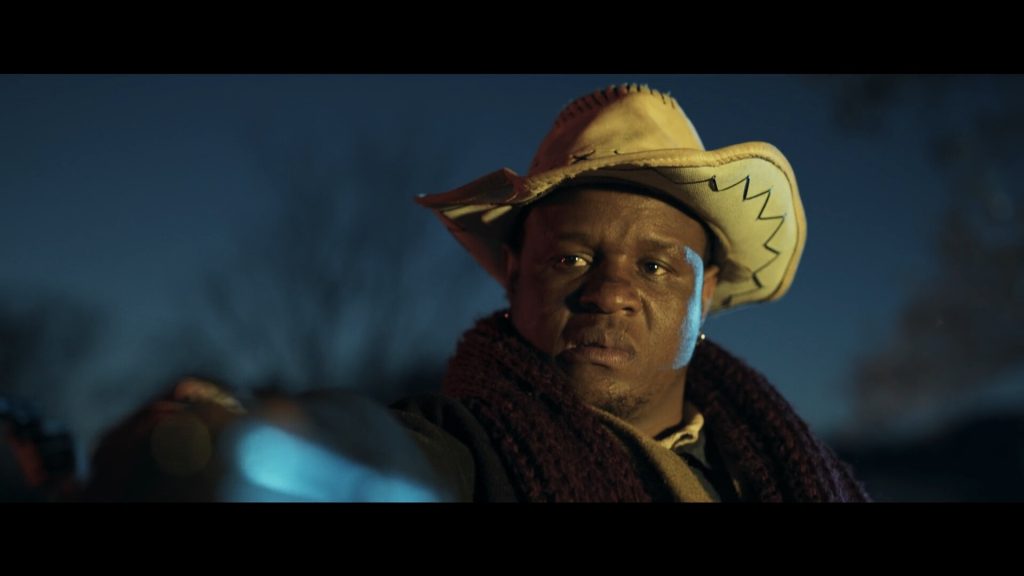
Moepo Wa Madi (Mine of Blood) is a neo-Western thriller, set in a lawless South African mining town plagued by water scarcity and violence. Ntate, a disgraced investigative journalist desperate to reclaim his career. Infiltrates the world of illegal gold mining, using a dead informant’s lead. Posing as a zama zama, he bonds with Joseph, a young Zimbabwean recruit caught in a brutal debt cycle. As Ntate descends deeper, he encounters S.E., the self-proclaimed kingpin; Phiri, a volatile enforcer; and Captain Lekalakala, a police officer who manipulates both sides of the law. When Ntate’s cover is blown, betrayal and bloodshed erupt.
The Legend of the Jack O’ Lantern – Directed by Daniela Sandoval (The Animation School)
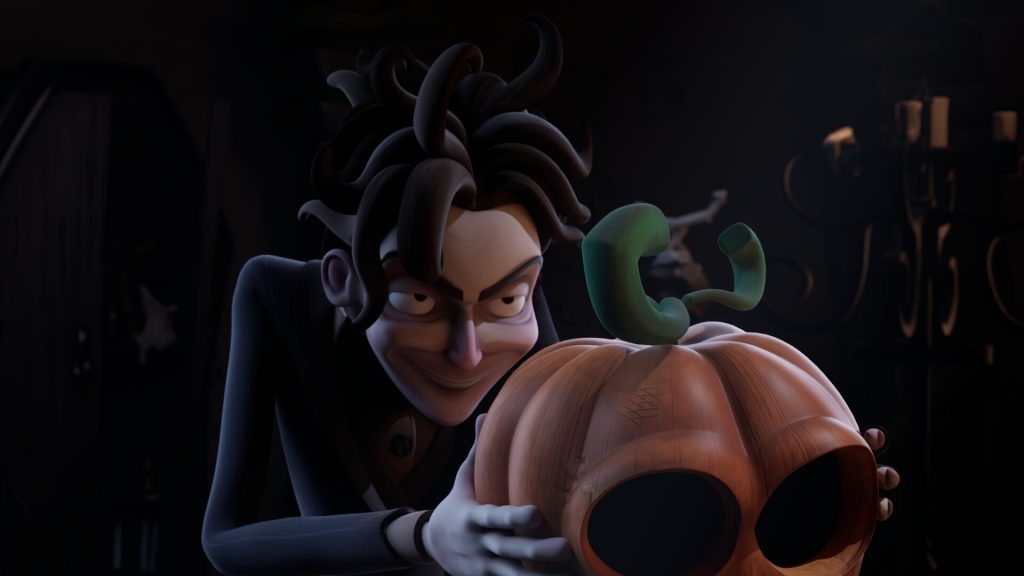
Jack is an eccentric undertaker who lives alone in his cathedral. His unfortunate hobby is scaring the mourners of his graveyard with horrifying masks. He’s very proud of his work and morbid creativity. One day Jack dons his pumpkin mask and pranks an old man crouched behind a gravestone. This man is someone he never should have pranked. As punishment for his insolence, he is cursed, and the mask binds itself to his face. As he struggles, the man gleams potential within Jack and makes him a grand offer.
International Highlights
- After the Silence (Canada) | L’inis | Directed by Jean-François Cameron
- Besieged (Iran) | A Simple Event School of Art & Cinema | Directed by Kiarash Ardeshirpour
- Feet (Spain) | Universitat Pompeu Fabra | Directed by Oscar Campos & Paula Vélez
- Mi Tazi (Nigeria) | StoryMi Academy | Directed by Blessing Bulus
- My Son the Shrimp (South Korea) | Korea National University of Arts | Directed by Jiae Kwon
- No Pool for Wild Animals (Uruguay) | ECU Escuela de Cine del Uruguay | Directed by Elías De Martino
- With the Wind (Morocco) | École Supérieure des Arts Visuels (ESAV) | Directed by Ines Lehaire
Bridging Academia and Industry
Beyond the cinema screens at Suncoast, Durban International Film Festival hosts dedicated industry development initiatives, masterclasses, and networking hubs. These programs are designed to structurally bridge the gap between tertiary film training and the professional global marketplace. The films will also compete in the festival’s official competition categories for Best Student Film and Best South African Student Film, giving these emerging filmmakers an early taste of international recognition.
About Durban International Film Festival
Founded in 1979, the Durban International Film Festival remains a leading voice in global cinema and a key cultural institution on the African continent. The festival screens over 100 films annually and holds Academy Award®-qualifying status for Best Documentary, Best South African Documentary, and Best Short Film categories.