Short films competing for Oscar-qualifying Best Short Film Award at DIFF
The 47th Durban International Film Festival (DIFF), presented by the Centre for Creative Arts at the University of KwaZulu-Natal, has officially, with great excitement, unveiled its highly anticipated selection of short films for the upcoming edition, running from 23 July to 2 August 2026.
This year’s official line-up brings together 24 Short Films to compete for the Best Short Film (Oscar-Qualifying Award) and the Best South African Short Film Award in the 47th Edition of the Durban International Film Festival Shorts Programme this year. These short films comprise authentic cultural perspectives, systemic struggles, and human triumphs.
“Short films are the vanguard of cinema.”
“They are a materialised embodiment of risk-taking, technical success and the true telling of its reality, respectfully; this is beautifully captured / translated in every frame.” says the DIFF Festival Manager Mr. Sakhile Gumede. “This year’s curated shorts offer an extraordinary global dialogue, bridging deeply moving local South African realities with visionary narratives from across the world.”
“The student line-up offers an unfiltered, fiercely passionate look at where global cinema is heading.These emerging directors are tackling complex familial, societal, and psychological landscapes with striking artistic confidence. DIFF is proud to provide them a world-class platform to showcase their vision alongside industry veterans.” he adds
Official DIFF 2026 Short Films in competition
South African films
Colour of Dreams – Peter Smuts (South Africa)
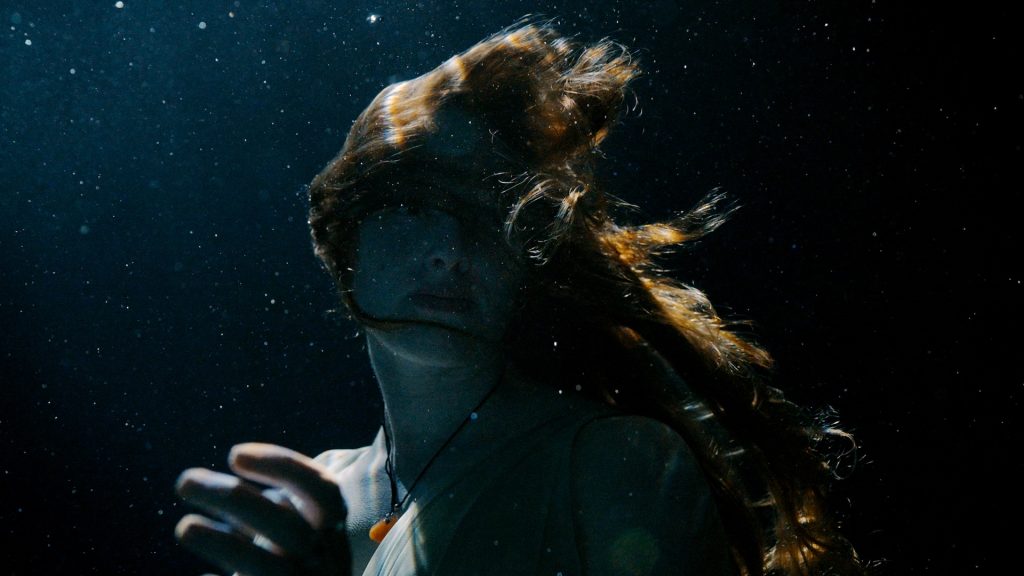
A young couple escapes the city for a weekend of reflection in a remote mountain cabin, hoping to come to terms with the end of their relationship. As they search for resolution in each other, another voice begins to take form. The mountain itself begins to speak to them, offering enigmatic answers to their inner turmoil.
Fracture – Alex Fynn (South Africa)
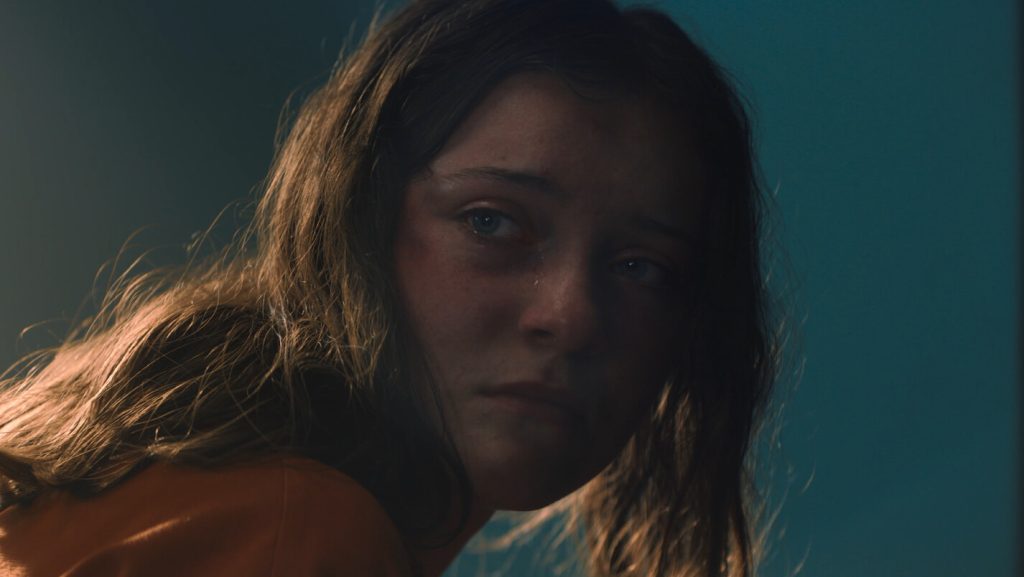
Based on the true story of a young prisoner in Pollsmoor Prison, Fracture follows Robyn, a troubled teenager whose night of reckless rebellion spirals into a violent tragedy that changes her life forever. Sent to one of South Africa’s most brutal prisons, her deteriorating mental state is repeatedly met with solitary confinement, a system designed to suppress rather than rehabilitate. Haunted by fractured memories, violent hallucinations, and nightmares she can no longer escape, Robyn is pushed deeper into isolation with every passing day. As a prison psychologist fights to keep her out of solitary confinement, Robyn’s descent builds toward an even more horrifying reality within the walls of her solitary cell.
One Day at a Time – Mehita Iqani (South Africa)
This animated film follows a mother whose warmth, resilience, and quiet strength anchor her family as she cares for her adult son living with schizophrenia. Told through her intimate voiceover, while waiting at a bus stop to fetch him from the hospital. The film traces their shared journey early signs of illness, the confusion of diagnosis, community stigma, and painful moments of crisis. We witness both the turbulence and tenderness of their daily lives and the fragile hope that grows. Offering a universal portrait of love’s endurance in the face of mental illness, the film is a moving meditation on family, dignity, and taking life one day at a time together.
Perception – Miselwa “Missy” Ngamlana (South Africa)
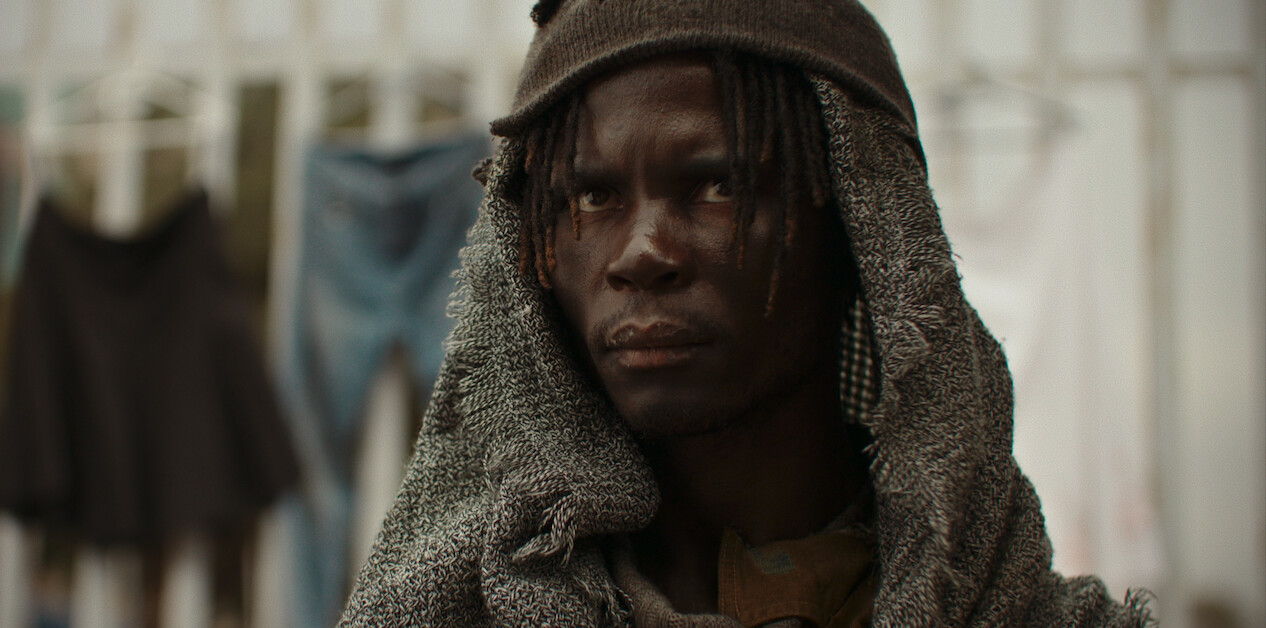
Perception follows 18-year-old Ace as he drifts through Johannesburg, surviving on handouts and addiction. After scoring nyaope, Ace escapes into a richly animated fantasy where he imagines the life he might have lived, raised in a loving home, excelling as a tennis star, and embraced by a mother’s unconditional belief. When Ace comes down from his high, he is thrust back into the unforgiving streets. The film interrogates empathy and exploitation, asking audiences to reconsider how they see those living with addiction as disposable spectacles or as human beings deserving of dignity and care.
The Break-In – Sizwe Kubeka (South Africa)
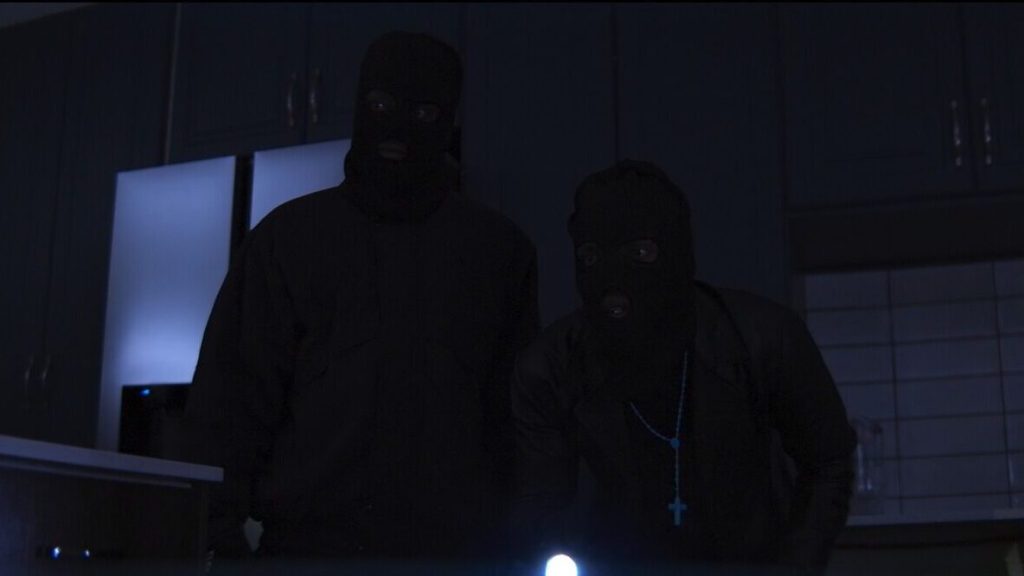
A group of small-time thieves break into a suburban house expecting a clean score, but the night forces one of them to question the future he’s been chasing and what the crew is really after. As tension builds and egos clash, the break-in becomes a mirror more than a mission. Blending a bit of humor with raw, uncomfortable honesty, The Break-In asks the question: if you finally get something, why does it never feel like enough?
Verses My Brother Taught Me – Thomo Tshipinyane (South Africa)
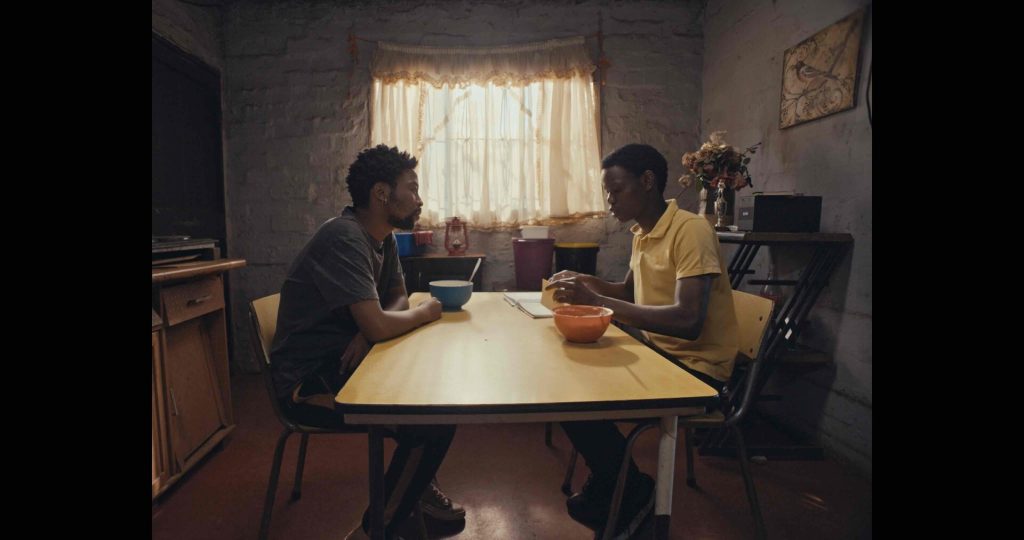
In a struggling township, ex-convict Itumeleng is determined to rebuild his life and care for his frail, deeply religious younger brother Thapelo. Haunted by prison, community judgment, and a promise made to their late mother, he battles to stay on the right path despite financial pressure and social rejection. When attempts to earn money fail and Thapelo’s health worsens, Itumeleng is forced into a moral crossroads between faith and survival. A robbery spirals into tragedy, blurring the line between punishment and redemption. Broken and consumed by guilt, Itumeleng makes a final desperate plea for divine intervention, uncertain whether he is praying to save his brother’s life or his own soul.
Vimba 2 – Monde Gumede (South Africa)
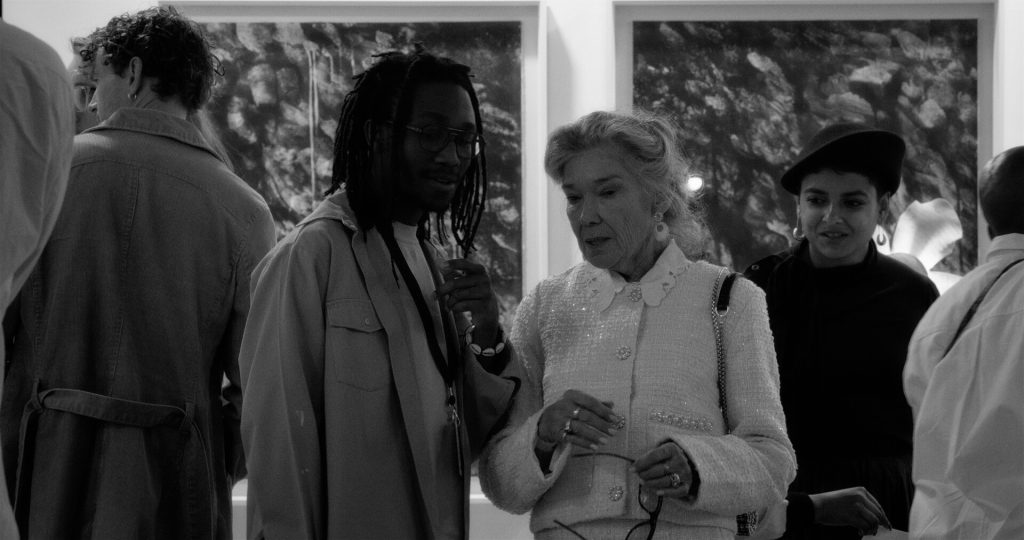
Set against the polished absurdity of Johannesburg’s Latitudes Art Fair, VIMBA! unfolds like a Ruben Östlund satire relocated to the cultural contradictions of contemporary South Africa. When a boozy street surfer is mistaken for a radical conceptual artist, he stumbles into an unlikely artworld hustle that spirals into an unholy trinity of class, commerce, and postcolonial confusion. A wealthy European buyer becomes enamoured with what she believes is a provocative installation of a discarded Black Label beer bottle. The curator, torn between integrity and opportunity, conspires with the accidental artist to sell the myth back to the market that created it. It’s not moral outrage that drives the film, but mischief.
A Nation’s Fight for Identity and Justice – Pretty Mothata (South Africa)
Runner – Mmathabo Johanna Bopape (South Africa)
Vultures – Dian Weys (South Africa / France)
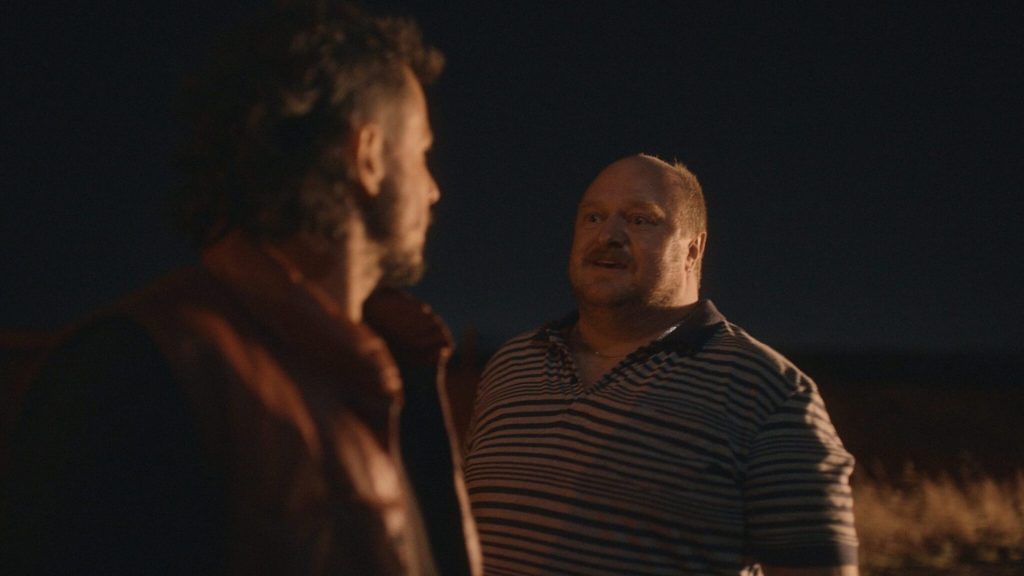
Pan-African & International Films
Boy No Fear – Jonathan Curtiss (Uganda)
Braza – Diane Maia (Brazil)
Buah (Fruit) – Jen Nee Lim (Singapore)
Butty – Liz Cartwright (United Kingdom)
Café? – Bamar Kane (France)
Close Your Eyes Hind – Amir Zaza (Netherlands)
Dëmm – Aida Captijn (Senegal)
Flock – Mac Nixon (United Kingdom)
Hope Is Lost – Eno Enefiok (North Macedonia / United Kingdom)
About the Durban International Film Festival
Founded in 1979, the Durban International Film Festival (DIFF) is the oldest and largest film festival in Southern Africa, hosted by the Centre for Creative Arts at the University of KwaZulu-Natal. It presents over 70 screenings annually, celebrating the richness of global cinema with a special focus on African content. DIFF is an Academy Award® qualifying festival for Best Documentary, Best South African Documentary and Best Short Film.