Seven women shaping South African cinema
Joburg Film Festival has selected seven women shaping South African cinema and working across different parts of the film ecosystem for a special Women’s Month feature exploring who gets to make cinema, how audiences encounter it and what it takes to keep stories in circulation.
In 2026, South Africa marks 70 years since the Women’s March of 9 August 1956. The march was a landmark act of resistance, but also one of organisation and authorship: women mobilised not as peripheral supporters of political life, but as its strategists, organisers and agents. To mark the anniversary, JFF turns its attention to women whose work extends beyond the screen, from producing and directing to programming, audience development, exhibition and the movement between film and theatre.
Seventy years later, the relationship between participation and agency remains an important one. In film, the conversation is continuously expanding around who we see on screen and who is able to work behind it. We also want to consider who is making creative decisions, building platforms, creating routes to audiences and helping determine which stories remain in cultural circulation. – Taryn Joffe, Festival Manager, Joburg Film Festival
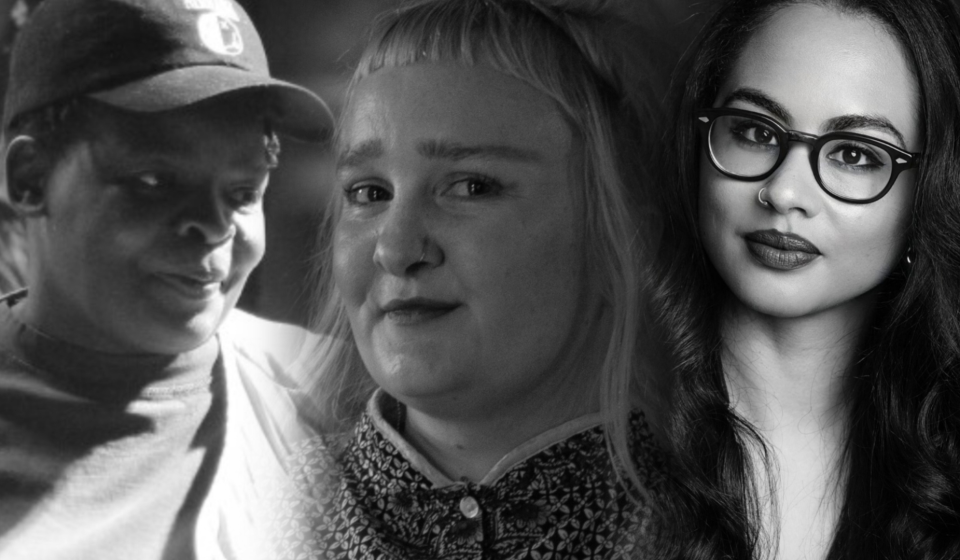
For this Women’s Month edition, JFF brings together seven distinct voices: producers positioning South African films across local and international contexts; directors engaging with cultural memory and imagining new worlds; film clubs creating contexts for watching and conversation; independent producers building alternative routes to audiences; and artists moving between cinema and theatre. The seven women featured are Cait Pansegrouw, Twiggy Matiwana, Naledi Galane, Gale Maimane, Deniz Sertkol, Ayanda Msomi and Amy Jephta.
Cait Pansegrouw
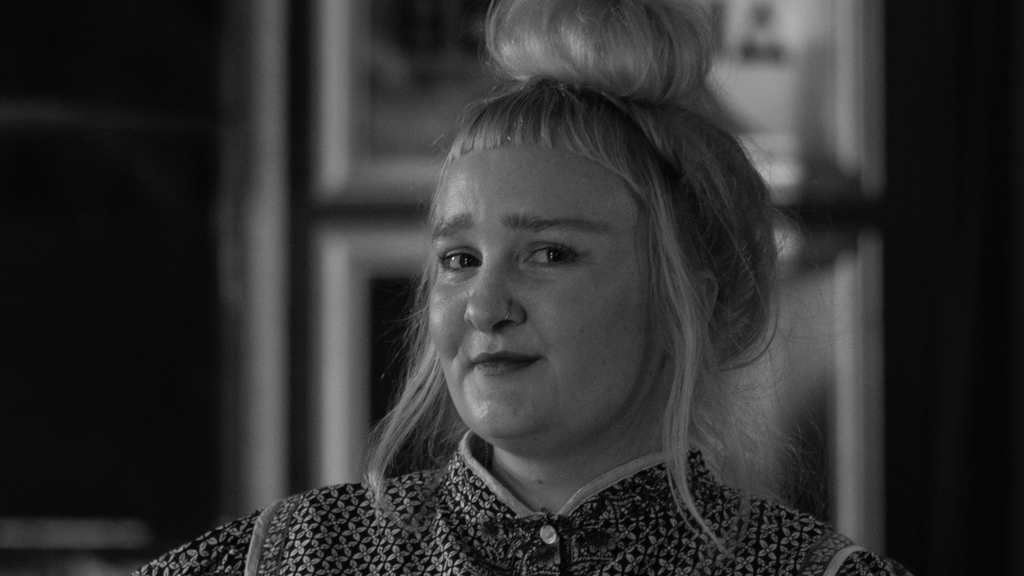
Cait Pansegrouw’s recent producing work offers an intriguing pairing. Sandulela Asanda’s Black Burns Fast centres the romantic awakening of a Black queer teenager at an elite South African girls’ boarding school, approaching identity with humour, colour and playfulness. Following an international festival run that included Berlinale 2026, the film opened locally on 31 July. John Trengove’s forthcoming The Smell of Apples, adapted from Mark Behr’s novel, turns to white childhood under apartheid through an 11-year-old boy whose protected world begins to reveal the ideological and private violence sustaining it. The South African–Dutch–Chilean co-production premieres in competition at TIFF in September. Pansegrouw’s earlier producing credits include Inxeba (The Wound) and This Is Not a Burial, It’s a Resurrection; she also served on the JFF 2026 jury.
Twiggy Matiwana
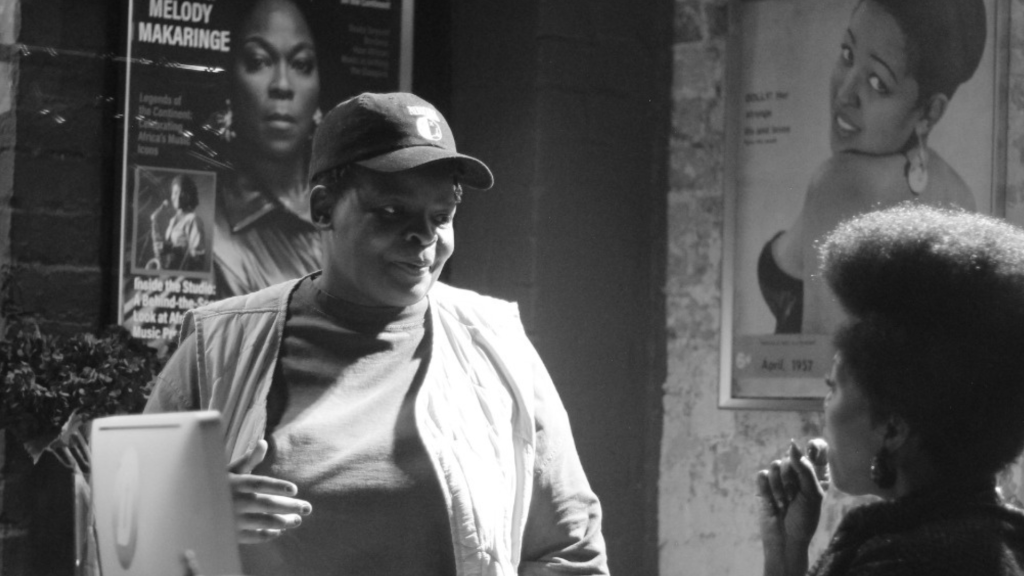
With Dear Sis Dolly, Twiggy Matiwana works with a figure embedded in South African popular memory. The film draws on Drum Magazine’s long-running Sis Dolly agony-aunt column, where generations of readers entrusted private questions about relationships, sexuality and everyday life to a familiar public voice. The identity was most notably associated with Liz Khumalo, who began at Drum as a secretary, became Sis Dolly and later rose to become the magazine’s first woman editor-in-chief. In the film, an idealistic psychologist, Khethiwe, played by Didintle Khunou, enters a competition to become Drum’s next Sis Dolly, bringing professional expertise into conversation with a tradition built on lived wisdom, intimacy, humour and trust.
Naledi Galane
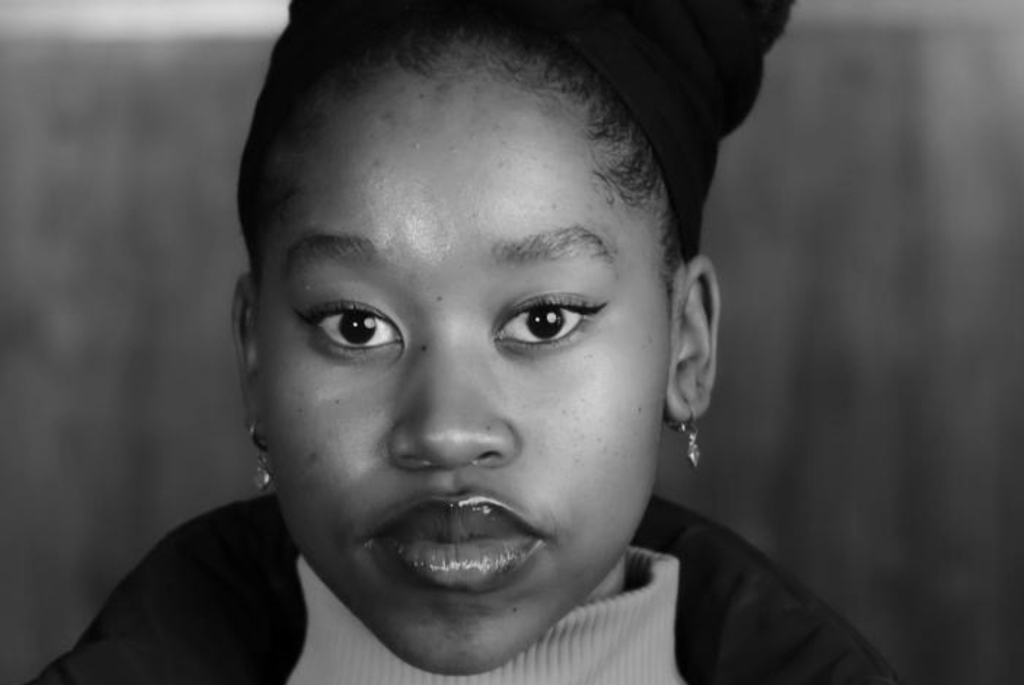
Naledi Galane’s 28-minute Tlhaho Ya Mosadi, an AFDA Johannesburg Honours film that screened at JFF 2026, imagines the matriarchal village of Bakoena under Queen Mmanaha in a world still marked by patriarchal violence. Its alternative social order becomes a way of examining power, femininity, resistance and inherited structures. In May, the film won Best Indigenous Language Film (South Africa) at the 2026 Africa Magic Viewers’ Choice Awards.
Gale Maimane
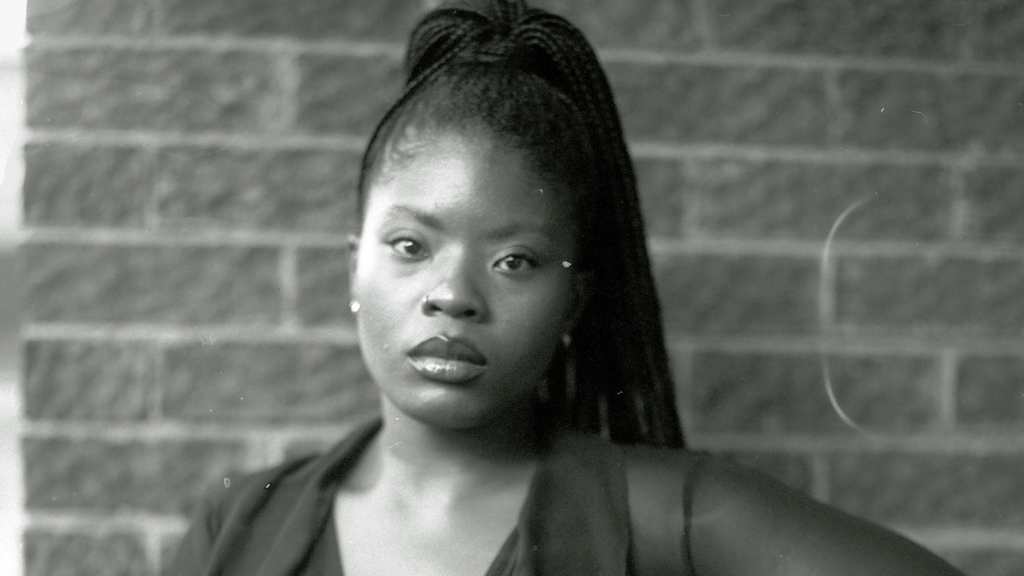
Alongside her directing and photographic practice, Gale Maimane is one of the leading figures behind Girls in Film South Africa. Its work spans exhibition, filmmaker development and network-building, presenting work by filmmakers from South Africa, the African continent, and the diaspora while connecting women, femme, non-binary, and trans creatives to a wider international community.
Deniz Sertkol
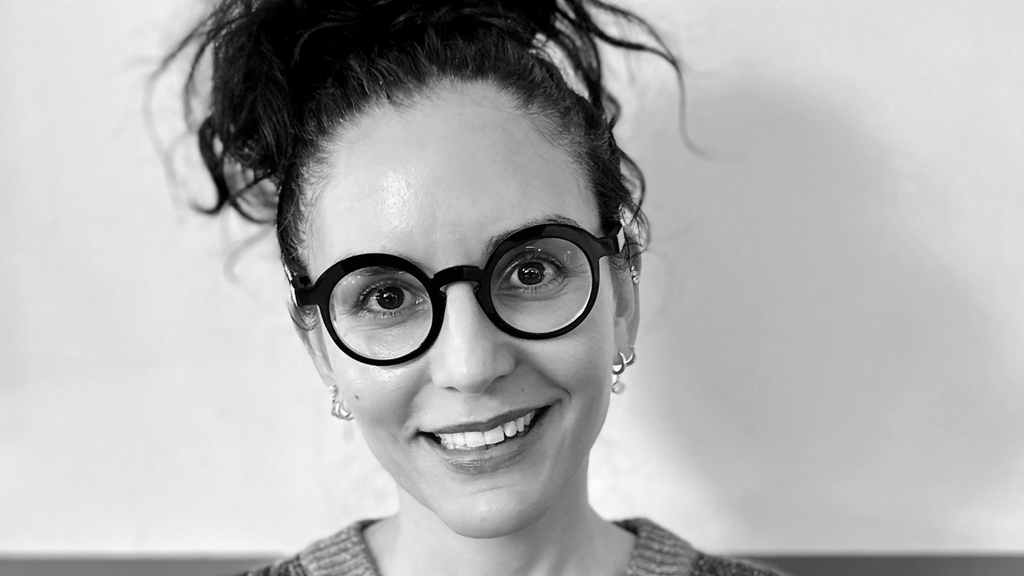
Film curator and critic Deniz Sertkol co-curates The Long Take Film Club with François Smit at The Bioscope in Johannesburg. Its programming spans international and South African work; on 7 August, it presented Black Burns Fast alongside Sandulela Asanda’s earlier short Mirror Mirror, followed by a filmmaker Q&A.
Ayanda Msomi
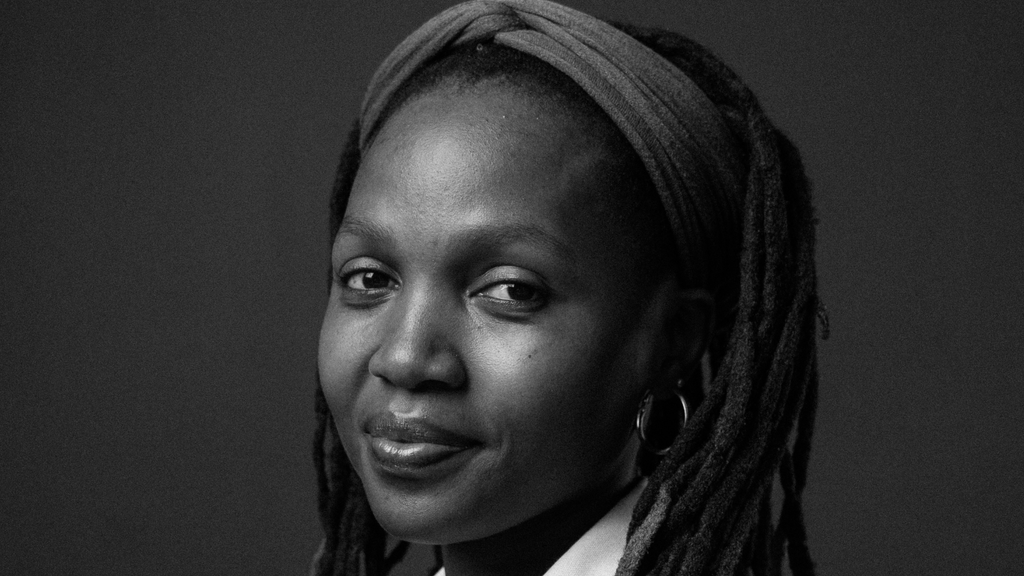
Produced by Ayanda Msomi and written and directed by Nqanawe Shangase, UBANI LORE? follows three friends searching for a book that does not exist: a premise that becomes an exploration of South African cultural reference, artistic mythology and the stories a generation builds around its own creative icons. After screening at JFF 2026, the short embarked on a national tour, extending its public life beyond the festival circuit.
Writers who move between cinema and theatre encounter different possibilities each time: what can be contained within a frame, what can be left to an actor and a live room, how language lands and how social codes are read. Form changes what an artist can ask of an audience.
Amy Jephta
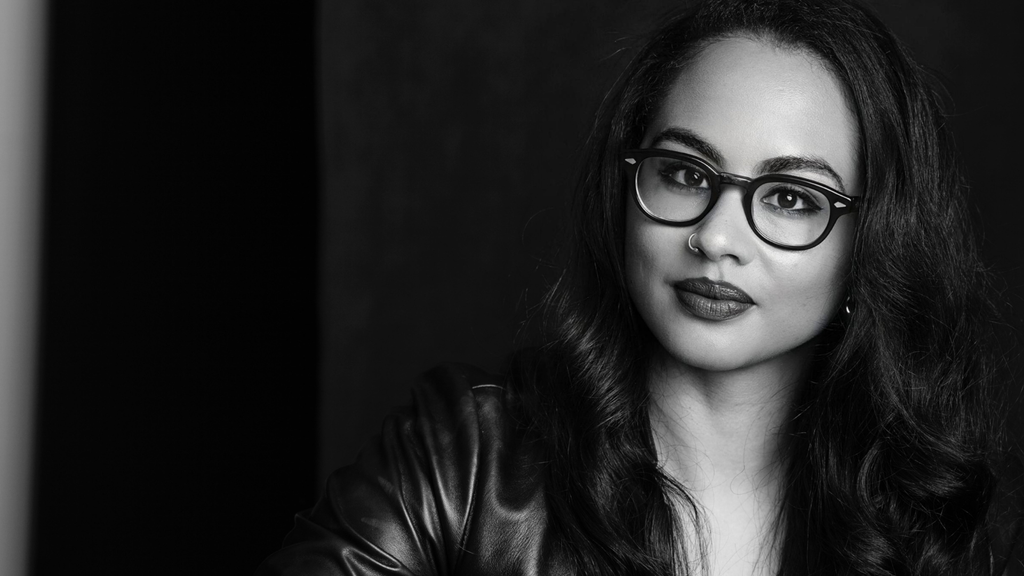
Amy Jephta’s career has moved across those boundaries. Her feature directorial debut, Barakat, centres on a Cape Muslim family gathering for Eid and was the first Afrikaaps-language Muslim feature from South Africa; it was later selected as South Africa’s submission for the Academy Award for Best International Feature. Her play A Good House adopts another register: a social satire in which the appearance of a shack in the manicured community of Stillwater brings questions of race, property, class and post-apartheid aspiration sharply to the fore. After premiering at the Royal Court Theatre and Bristol Old Vic in the UK, A Good House is currently running at Johannesburg’s Market Theatre from 6-30 August 2026, in a new production written and directed by Jephta.
About Joburg Film Festival
The Joburg Film Festival is a six-day annual event that showcases African films within a global cinema context. The festival presents over 60 expertly curated films from around the world, including South Africa, Africa, and the diaspora. Presented in partnership with MultiChoice, JFF has established itself as an independent platform that not only celebrates African stories but also rewards excellence in film.