
South African films rated 90% on Rotten Tomatoes
South African films span an extraordinary range of stories, forms and perspectives. Following our recent highlight of South African films with a rate 100% critics’ score on Rotten Tomatoes, this second instalment of The Critics Cut, we turn our attention to South African films rated 90% on Rotten Tomatoes, bringing together titles that have earned strong critical reception across different genres and generations. From the internationally recognised science-fiction of District 9 and the documentary intimacy of Milisuthando to the musical reimagining of U-Carmen eKhayelitsha and the natural world of My Octopus Teacher, these South African films offer a glimpse into the breadth of work emerging from, and connected to, South Africa. Their critical reception also provides a useful record of how local films have travelled across borders and found audiences in different parts of the world.
The 90–99% Club forms part of The Critics Cut, TV Mzansi’s growing archive of South African cinema viewed through the lens of professional film criticism. Following the 100% Club, this collection documents films with Rotten Tomatoes Tomatometer scores between 90% and 99%, bringing together titles from different periods and genres. Alongside each film’s score and critic-review count, the archive records key cast and crew, significant festival screenings, awards and production details, offering readers a fuller picture of each film and its place in the wider industry.
The Tomatometer provides one measure of critical reception, rather than a definitive assessment of a film’s artistic or cultural value. Review counts also vary considerably, from widely reviewed international releases such as District 9 to films with a much smaller body of published criticism. These distinctions are important when reading the scores. Taken together, the films in this collection form part of an ongoing record of South African cinema and the filmmakers, performers and crews whose work has contributed to its recognition at home and abroad.
The collection is arranged from newest to oldest, with international co-productions identified where relevant.
1. Don’t Let’s Go to the Dogs Tonight (2024)
Tomatometer: 91% | 66 critic reviews
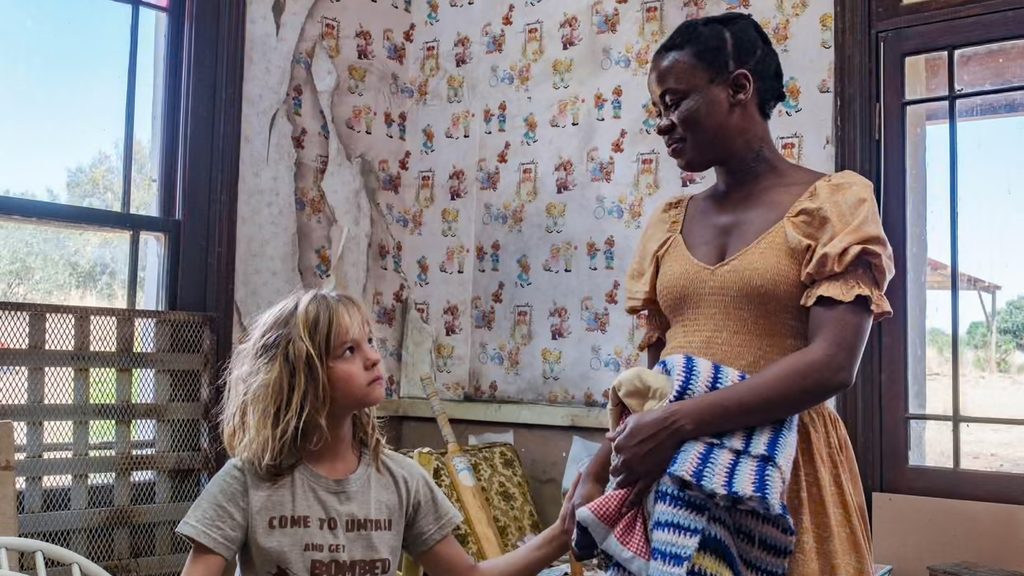
Based on Alexandra Fuller’s memoir, Don’t Let’s Go to the Dogs Tonight follows eight-year-old Bobo as she grows up on a family farm in Rhodesia during the final years of white-minority rule. Directed and written by Embeth Davidtz, the film approaches a period of political upheaval through a child’s perspective, examining family, privilege, belonging and the complicated idea of home.
The film had its world premiere at the Telluride Film Festival in August 2024 before screening as a Gala Presentation at the Toronto International Film Festival. It won Best South African Feature Film at the Durban International Film Festival. Its production was based in South Africa, giving the film a concrete local production connection beyond Davidtz’s South African background. The cast includes Lexi Venter, Embeth Davidtz, Zikhona Bali and Fumani Shilubana; written and directed by Embeth Davidtz; produced by Helena Spring, Paul Buys and Embeth Davidtz. Anele Mdoda and Trevor Noah are also one of the executive producers. Lexi Venter also received a Special Jury Mention in the New Voices/New Visions programme at the 2025 Palm Springs International Film Festival.
Read more: Rotten Tomatoes — Don’t Let’s Go to the Dogs Tonight
2. Milisuthando (2023)
Tomatometer: 95% | 19 critic reviews
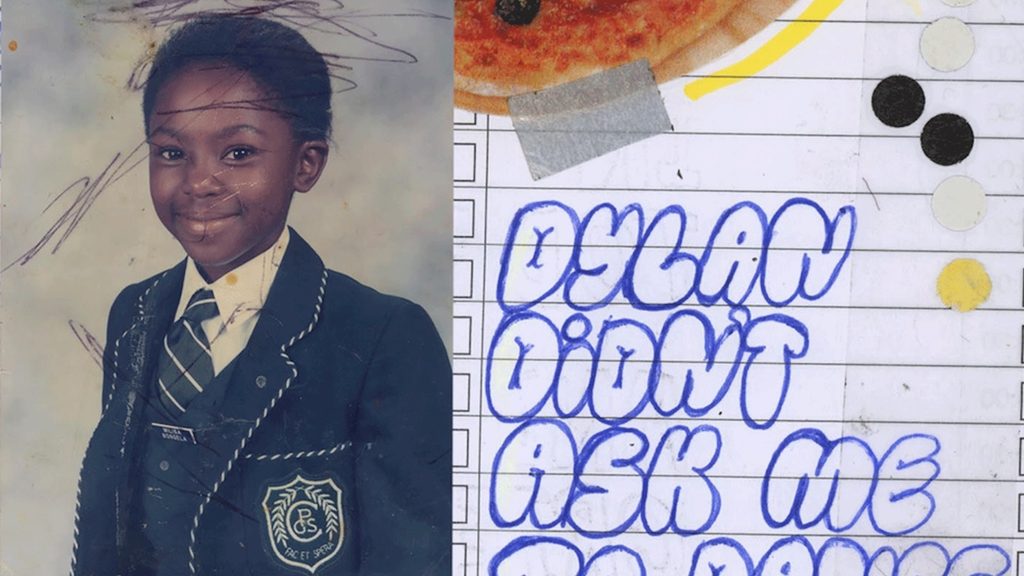
In Milisuthando, filmmaker Milisuthando Bongela turns the camera towards her own memories to explore race, identity, history and belonging. Growing up in the former Transkei, she experienced childhood in a predominantly Black community before later confronting the wider realities of apartheid and the ways its legacy shapes personal relationships. Blending archival material, interviews and personal reflection, the documentary asks how people inherit ideas about themselves and one another. Rather than treating history as something safely contained in the past, Bongela makes it an intimate and ongoing conversation.
The film had its world premiere in competition at the 2023 Sundance Film Festival and went on to screen in MoMA’s New Directors/New Films programme before opening the 2023 Encounters Documentary Film Festival in South Africa. The documentary also won ReFrame Award for Creative Use of Archive at International Documentary Festival Amsterdam (IDFA), with Milisuthando Bongela winning Best Director at International Documentary Association (IDA). It is a South African-Colombian co-production, with Bongela serving as writer, director and producer. Starring Milisuthando Bongela who also wrote, directed and produced the doccie; producers include Marion Isaacs and Sonia Barrera Gutiérrez; cinematography and editing by Hankyeol Lee.
Read more: Rotten Tomatoes — Milisuthando
3. The Umbrella Men (2022)
Tomatometer: 90% | 10 critic reviews
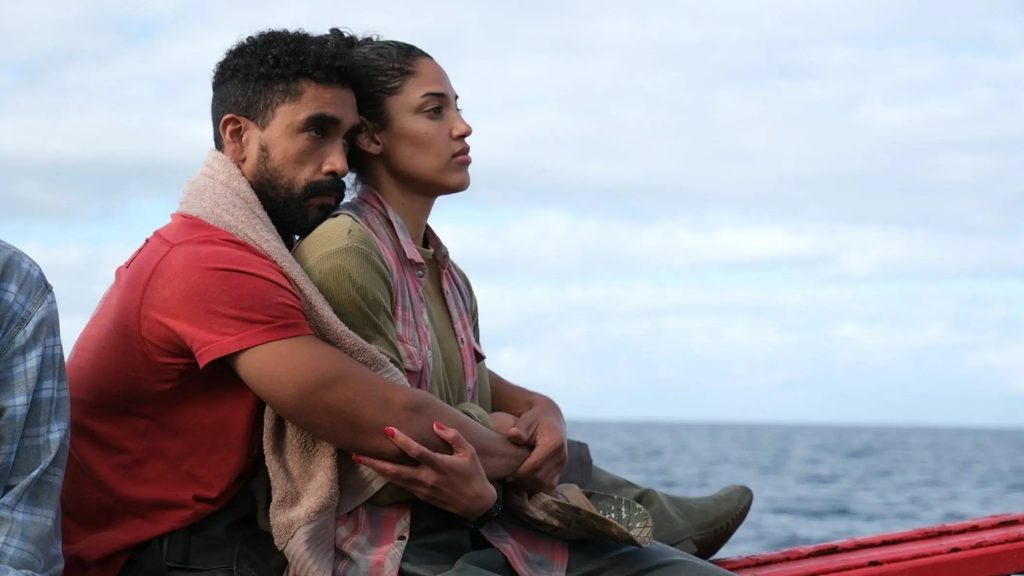
Cape Town’s music and community traditions take centre stage in John Barker’s The Umbrella Men. When musician Jerome Adams returns home for his father’s funeral, he inherits the family’s Goema Club and responsibility for the Umbrella Men minstrel troupe along with a serious financial problem. With the club facing repossession, a bank heist planned around the city’s carnival celebrations becomes an unlikely attempt to save a cultural institution.
The comedy-crime film uses the familiar mechanics of a heist story to explore family, friendship, cultural memory and the importance of community spaces. Its setting is more than a backdrop: the music and carnival traditions help shape the story’s identity. The film screened at the 2022 Toronto International Film Festival, where it received an international premiere, and later won the Audience Award at London’s Film Africa festival. Cast includes Jaques de Silva, Shamilla Miller, Keenan Arrison, Bronté Snell and Abduragman Adams; written and directed by John Barker; produced by Thembalethu Mfebe, Joel Phiri, John Barker and Dan Jawitz, among others.
Read more: Rotten Tomatoes — The Umbrella Men
4. Moffie (2019)
Tomatometer: 91% | 97 critic reviews

Set in 1981, Moffie follows Nicholas van der Swart, a young white South African conscript forced to serve in the apartheid-era military. Within a system built around discipline, aggression and rigid ideas of masculinity, Nicholas develops a connection with another recruit. Their relationship brings the dangers of being different into sharp focus. Directed by Oliver Hermanus and adapted from André Carl van der Merwe’s autobiographical novel, the film confronts the violence of compulsory military service and the repression of queer identity. Its story is deeply tied to South Africa’s political past, while its exploration of shame, conformity and vulnerability reaches beyond that historical setting.
Moffie premiered in the Orizzonti section of the 2019 Venice International Film Festival before screening in the official competition at the BFI London Film Festival. It is a South African-UK production and received nominations at Venice and the British Independent Film Awards, among other recognition. Starring Kai Luke Brümmer, Ryan de Villiers, Matthew Vey, Stefan Vermaak and Hilton Pelser; directed by Oliver Hermanus; screenplay by Oliver Hermanus and Jack Sidey; produced by Eric Abraham and Jack Sidey. Other festival recognition includes Thessaloniki Film Festival Mermaid Award win for Oliver Hermanus; Dublin Film Critics Special Jury Prize; BAFTA nomination for Outstanding Debut by a British Writer, Director or Producer for Jack Sidey.
Read more: Rotten Tomatoes — Moffie
5. Flatland (2019)
Tomatometer: 91% | 11 critic reviews
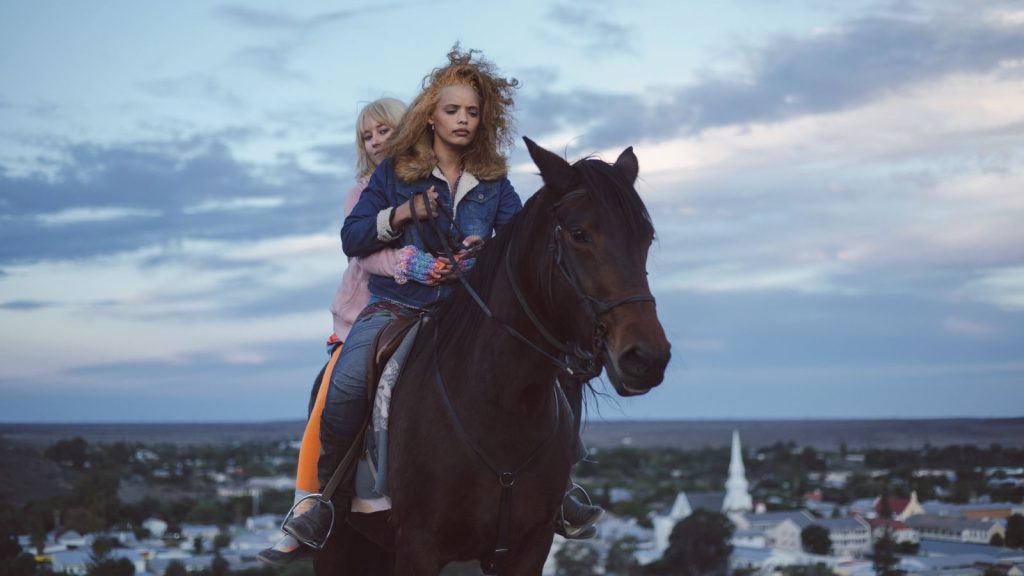
Jenna Cato Bass’s acclaimed film Flatland follows three women whose lives intersect across the vast landscapes of the Karoo. After a disastrous wedding night leads to a killing, Natalie flees on horseback, setting off a journey that connects her story with those of Poppie and Beauty. The film moves between crime, western and road-movie territory while examining gender, freedom and the limits imposed on women by their circumstances. Its unusual genre blend is matched by a distinctly South African landscape. The open spaces of the Karoo become part of the film’s emotional and visual language, offering a setting for characters trying to escape the roles assigned to them.
The film premiered in the Panorama section of the 2019 Berlin International Film Festival and later screened in the Contemporary World Cinema programme at Toronto International Film Festival. It is a South Africa-Germany-Luxembourg co-production, starring Nicole Fortuin, Faith Baloyi, Izel Bezuidenhout, De Klerk Oelofse and Brendon Daniels; written and directed by Bass; cinematography by Sarah Cunningham; editing by Jacques de Villiers. Winner of Best African Film at the 2019 Joburg Film Awards. Jenna Bass also received the Dragon Award in International Competition at the 2020 Göteborg Film Festival.
Read more: Rotten Tomatoes — Flatland
6. Die Stropers / The Harvesters (2018)
Tomatometer: 91% | 11 critic reviews
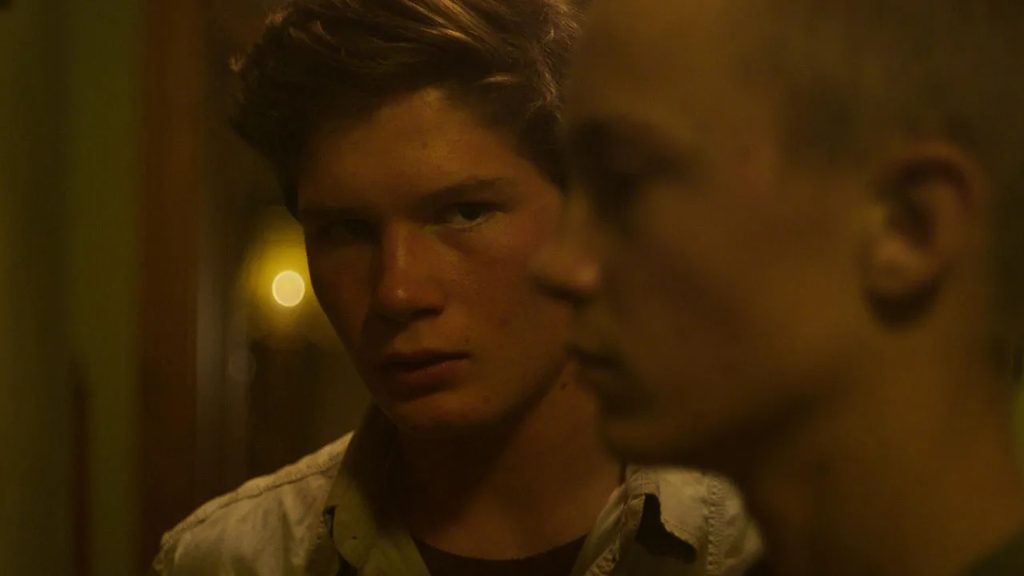
On an isolated Free State farm, teenager Janno struggles to find his place in a family governed by strict expectations of masculinity, faith and inheritance. When his mother brings home Pieter, a troubled outsider she hopes to save, the arrival unsettles the family and turns its unspoken tensions into an increasingly personal struggle. Etienne Kallos’s feature debut examines belonging and exclusion within a conservative rural community. The farm’s beauty sits alongside the emotional pressure of a household in which strength is expected and vulnerability becomes a liability.
The film premiered in the Un Certain Regard section of the 2018 Cannes Film Festival. Its international production partners included South Africa, Greece, France and Poland, reflecting the collaborative nature of a film whose story remains firmly rooted in the Free State. The cast includes Brent Vermeulen, Alex van Dyk and Juliana Venter; written and directed by Ettiene Kallos; cinematography by Michal Englert; editing by Muriel Breton.
Read more: Rotten Tomatoes — The Harvesters
7. Number 37 (2018)
Tomatometer: 94% | 16 critic reviews
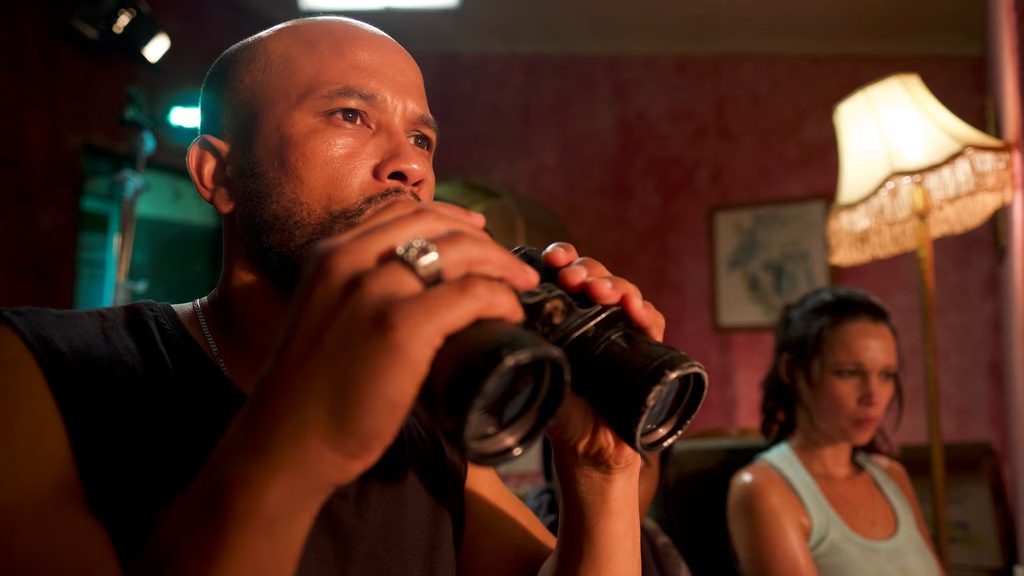
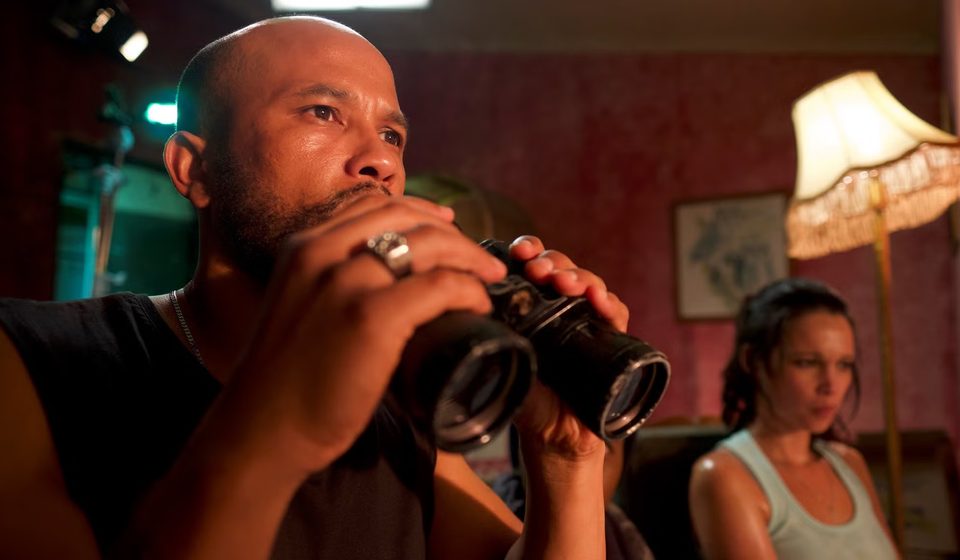
In Number 37, Randal Hendricks is a Cape Town man confined to a wheelchair who becomes desperate to find a way out of mounting financial trouble. After witnessing a crime through binoculars, he attempts to turn what he has seen into an opportunity. The plan draws him into a dangerous game of blackmail, placing him in the path of people far more powerful and violent than he expected.
Director Nosipho Dumisa-Ngoasheng reworks the suspense of classic crime cinema through a distinctly local setting. The film’s tension comes not only from what Randal sees, but from the choices he makes as he tries to regain control of his life. The thriller screened at festivals including SXSW and the Sydney Film Festival, and received international attention for its confident direction and tightly constructed premise. It also screened at Fantasia International Film Festival, where Nosipho Dumisa-Ngoasheng won Best Director. Starring Irshaad Ally, Monique Rockman, Danny Ross and Deon Lotz; written and directed by Nosipho Dumisa-Ngoasheng, with story contributions from Daryne Joshua and Travis Taute; produced by Benjamin Overmeyer and Bradley Joshua.
Read more: Rotten Tomatoes — Number 37
8. Inxeba / The Wound (2017)
Tomatometer: 91% | 53 critic reviews
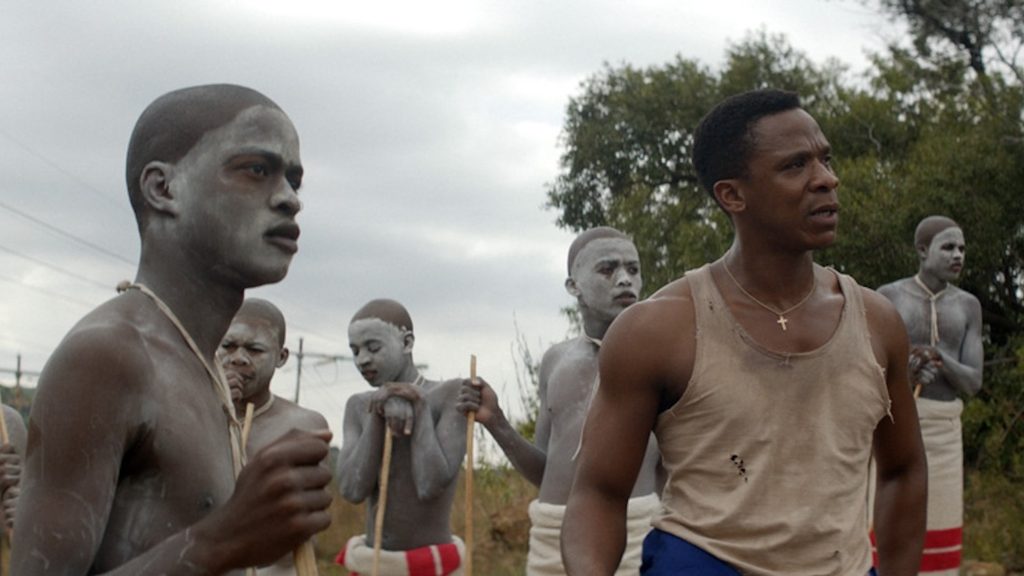
John Trengove’s highly acclaimed movie Inxeba, released internationally as The Wound, follows Xolani, a factory worker who travels to a rural initiation camp to help guide young men through the traditional process. There, he reconnects with Vija, a man with whom he shares a hidden relationship. When an initiate discovers their secret, the fragile balance between tradition, masculinity and private identity begins to unravel.
Starring Nakhane, Bongile Mantsai and Niza Jay Ncoyini, the film approaches a sensitive subject through an intimate character drama. Its international reception and the debate surrounding its release placed questions of representation, cultural responsibility and the right to tell complex stories at the centre of public conversation. The film screened in competition at the 2017 Sundance Film Festival and in the Panorama section at the Berlin International Film Festival. It was also selected as South Africa’s submission for the Academy Award for Best Foreign Language Film and made the shortlist. Directed by John Trengove; with a screenplay by John Trengove, Thando Mgqolozana and Malusi Bengu; produced by Elias Ribeiro and Cait Pansegrouw.
Read more: Rotten Tomatoes — Inxeba
9. Blood and Glory (2016)
Tomatometer: 90% | 2 critic reviews
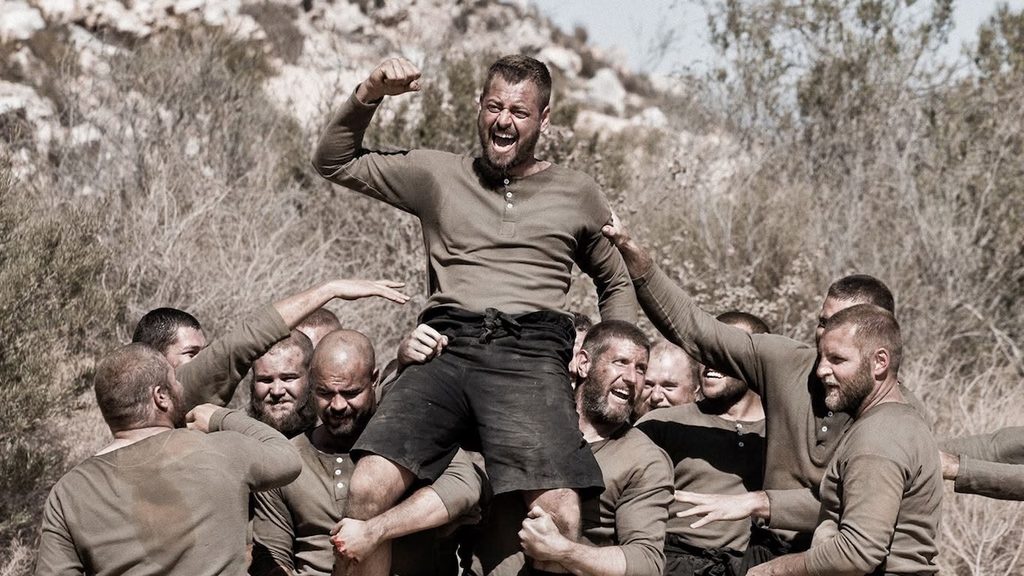
Sean Else’s hit film Blood and Glory takes audiences to the Anglo-Boer War, following prisoners of war held on St Helena as they navigate captivity, conflict and the struggle to retain a sense of identity. Sport becomes part of the story, giving the film a way to explore rivalry, loyalty and survival against the backdrop of war. The film offers a historical perspective on a period that continues to shape South African memory. Directed by Sean Else.
The film released theatrically in South Africa under the Afrikaans title Modder en Bloed, earned international recognition with a screening at Poland’s Camerimage International Film Festival in 2016 and a UK premiere at London’s Regent Street Cinema in April 2018. The film later reached US audiences through a video-on-demand release in March 2018. Its accolades include two 2017 SAFTA Golden Horn Awards for Best Achievement in Cinematography and Best Achievement in Sound Design, as well as a nomination for Best Achievement in Production Design. Internationally, it was listed in Camerimage’s Main Competition and received the Audience Choice award for Feature Film (Drama) at the 2017 Sedona International Film Festival.
Read more: Rotten Tomatoes — Blood and Glory
10. My Octopus Teacher (2020)
Tomatometer: 93% | 43 critic reviews
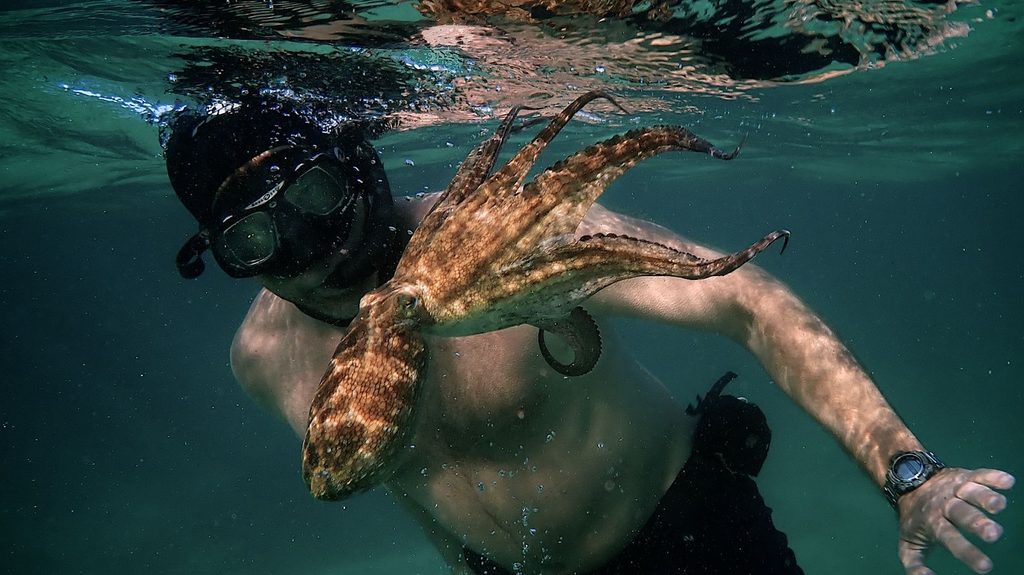
In My Octopus Teacher, filmmaker and diver Craig Foster returns to the kelp forests off the Cape coast, where he develops an extraordinary connection with a wild octopus. What begins as a personal exploration of the underwater world becomes a meditation on curiosity, patience, vulnerability and humanity’s relationship with nature. Directed by Pippa Ehrlich and James Reed, the documentary brought South Africa’s marine environment to a worldwide audience through its intimate approach to wildlife storytelling. Its impact extended well beyond streaming, helping place a locally produced documentary among the most internationally recognised South African films of its time.
The film was released globally on Netflix in 2020 and went on to win the Academy Award for Best Documentary Feature in 2021, as well as the BAFTA for Best Documentary. Craig Foster and his son Tom Foster appear as themselves; directed by Pippa Ehrlich and James Reed; produced by Craig Foster, with production involvement from the Sea Change Project and Off The Fence.
Read more: Rotten Tomatoes — My Octopus Teacher
11. U-Carmen eKhayelitsha (2005)
Tomatometer: 95% | 21 critic reviews
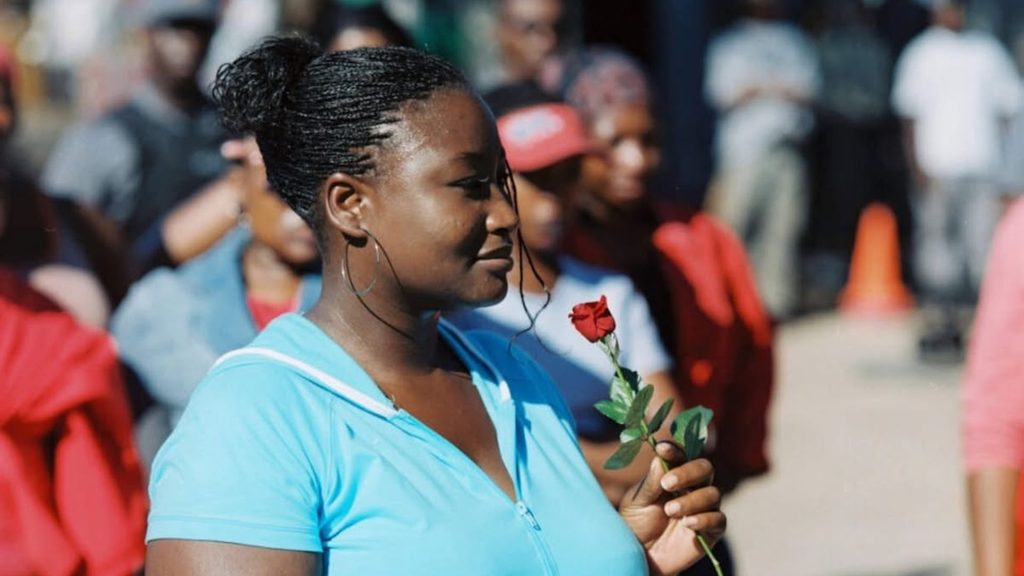
Mark Dornford-May’s U-Carmen eKhayelitsha reimagines Georges Bizet’s opera Carmen in Khayelitsha, Cape Town. Sung and performed in isiXhosa, the film relocates the story of desire, jealousy and tragedy to a South African township, allowing a globally recognised work to take on a new cultural and musical identity. Pauline Malefane leads the cast as Carmen, alongside Andile Tshoni and other South African performers. The production brings opera into a setting and language rarely given this kind of international cinematic platform, creating a work that is both a reinterpretation of a classic and a statement about the possibilities of local performance.
The film won the Golden Bear for Best Film at the 2005 Berlin International Film Festival, becoming the first South African film to receive the festival’s top prize. Its achievement remains a significant milestone in the international recognition of South African cinema. The cast includes Pauline Malefane, Andile Tshoni, Andiswa Kedama and Ruby Mthethwa; directed and produced by Mark Dornford-May; translated into isiXhosa by Andiswa Kedama and Pauline Malefane, with music based on Georges Bizet’s opera.
Read more: Rotten Tomatoes — U-Carmen eKhayelitsha
12. District 9 (2009)
Tomatometer: 90% | 311 critic reviews

Neill Blomkamp’s hit film District 9 imagines an alien population stranded on Earth and confined to an area of Johannesburg. When government field agent Wikus van de Merwe becomes exposed to a substance that begins changing his body, he finds himself caught in the machinery of the very system he once served. The science-fiction thriller uses an audacious speculative premise to examine segregation, xenophobia, displacement and the abuse of institutional power. Its Johannesburg setting is central to its identity, grounding its extraordinary visual effects and alien imagery in a recognisable social landscape.
Starring Sharlto Copley, Jason Cope and David James, the film premiered at San Diego Comic-Con in July 2009 before its theatrical release. It became an international awards contender, receiving four Academy Award nominations, including Best Picture, Adapted Screenplay, Film Editing and Visual Effects and seven BAFTA nominations, with a range of international genre and critics’ awards. Directed by Neil Blomkamp; with a screenplay by Neil Blomkamp and Terri Tatchell; produced by Peter Jackson and Carolynne Cunningham.
Read more: Rotten Tomatoes — District 9
What does a 90 – 99% Rotten Tomatoes score mean?
The Tomatometer measures the percentage of approved critics who have given a film a positive review. A score of 90% does not mean that critics awarded the film an average of nine out of ten; it means that 90% of the counted reviews were classified as positive.
Review count offers important context. District 9, for example, has 311 critic reviews, while Blood and Glory has two. Both meet the 90% threshold, but the amount of critical coverage behind their scores is substantially different. IMDb ratings and audience scores measure different things and should not be confused with the Tomatometer. The Critics Cut is a guide to discovery, not a definitive ranking of the greatest South African cinema. Festival selections, awards, production partnerships and the work of the people behind each title help tell a fuller story than a percentage alone.
This is the second instalment of The Critics Cut, following the 100% Club: South African films 100% rated on Rotten Tomatoes. As the archive grows, we’ll continue to revisit acclaimed films, spotlight overlooked stories and celebrate the filmmakers, performers and crews who contribute to South African cinema. Together, these films form part of an evolving cinematic legacy, showcasing the creativity, ambition and storytelling traditions that continue to shape South African cinema.
**Scores and review counts are subject to change.