
South African films 100% rated on Rotten Tomatoes
South African films 100% rated on Rotten Tomatoes offer a fascinating look at how local cinema is received by professional critics. From intimate documentaries and socially conscious dramas to films that confront the country’s history, identity and complicated present. Some of these films have also earned a distinction that is difficult to achieve on Rotten Tomatoes: a perfect 100% score from critics. But with so many films released over the decades, which ones have earned the approval of professional critics?
Welcome to The Critics Cut: South African Cinema, Through the Critics Lens, a TV Mzansi editorial series celebrating South African films through their reception among professional film critics. We begin with the 100% Club, bringing together films whose Rotten Tomatoes Tomatometer scores currently stand at 100%. These are films for which every counted critic review is classified as positive. The distinction is worth celebrating, but the context matters: a perfect score does not mean every critic gave a film a perfect rating, nor does it automatically make a film more significant than one with a lower percentage and many more reviews.
The aim is to celebrate the films, the filmmakers and the stories behind the numbers, while creating a growing record of South African cinema that audiences can return to and explore. This is a guide to discovery, not a definitive ranking of the greatest South African films ever made.
1. This Is Not a Burial, It’s a Resurrection (2019)
Tomatometer: 100% | 38 critic reviews
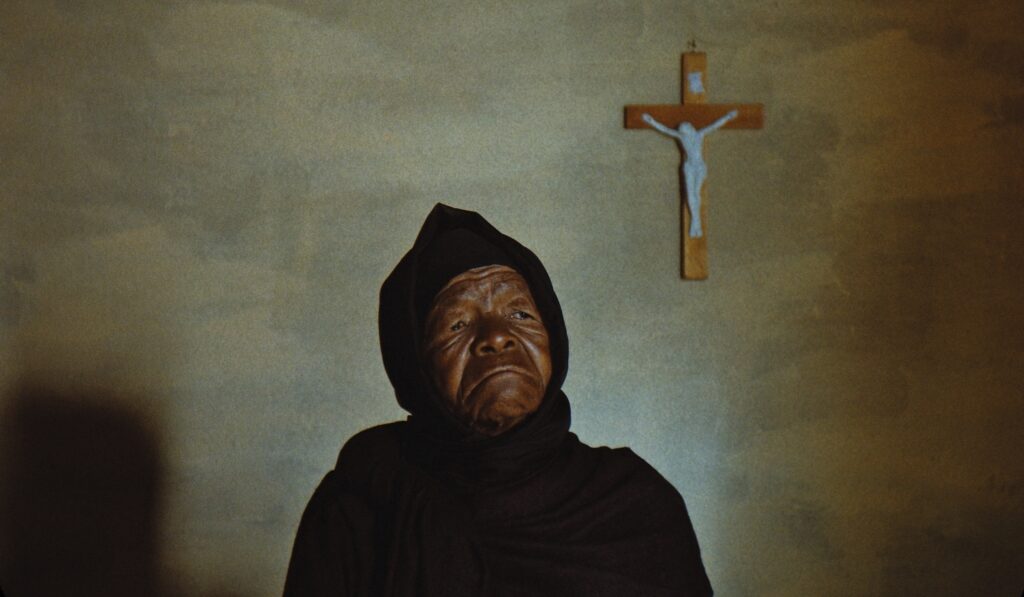
When an elderly widow learns that a proposed dam will force her village to relocate, she refuses to accept the erasure of the community and its traditions. Set in Lesotho and told in Southern Sotho, the film is a visually striking meditation on memory, belonging, grief and resistance. The cast includes the late Mary Twala, Jerry Mofokeng and Makhaola Ndebele. Mary Twala‘s central performance anchors a film that connects a deeply personal struggle with questions about heritage and the future. Directed by Lemohang Jeremiah Mosese. Produced by Urucu Media’s Cait Pansegrouw and Elias Ribeiro, This Is Not a Burial, It’s a Resurrection is an international co-production involving Lesotho, South Africa, Italy and the United States. The film was shot entirely in Lesotho in the Sesotho language, featuring local actors, with Memento Films International handling world sales. It was selected as Lesotho’s first-ever submission for the Academy Award for Best International Feature Film at the 93rd Academy Awards. It was also longlisted for Best Motion Picture – Foreign Language at the 78th Golden Globe Awards, marking another milestone for Lesotho cinema.
The film earned three major awards at the 2020 Durban International Film Festival: the Artistic Bravery Award for Lemohang Jeremiah Mosese, Best Direction for Mosese, and Best Actress for the late Mary Twala. At the 2020 Africa Movie Academy Awards (AMAAs), it won four awards, including Best Director for Mosese, Best Actress in a Leading Role for Twala, Best Cinematography for Pierre de Villiers, and Best Costume Design for Nao Serati. The film premiered at the 2019 Venice Film Festival and also won the World Cinema Dramatic Special Jury Award for Visionary Filmmaking at the 2020 Sundance Film Festival.
Read more: Rotten Tomatoes — This Is Not a Burial, It’s a Resurrection
2. Kanarie (2018)
Tomatometer: 100% | 12 critic reviews
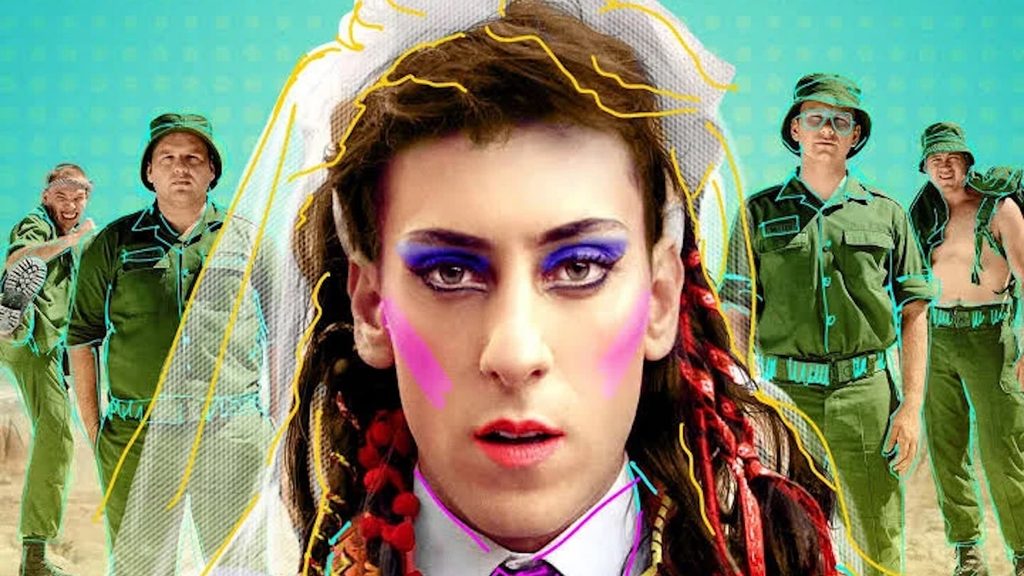
Set in 1980s South Africa, this coming-of-age drama follows a young man who joins the South African Defence Force’s travelling choir. As he navigates military life, music, religion and his emerging identity, he begins questioning the expectations imposed on him by the society around him. The film blends humour, music and emotional vulnerability to examine masculinity and self-discovery during a deeply conservative period in the country’s history. Directed by Christiaan Olwagen and the cast includes Schalk Bezuidenhout, Hannes Otto and Germandt Geldenhuys. The film was produced by Marche Media in association with kykNET.
Kanarie received recognition at the 2019 South African Film and Television Awards, winning the Golden Horn for Best Achievement in Script Writing – Feature Film for Christiaan Olwagen and Charl-Johan Lingenfelder. It was also nominated for Outstanding Film – Limited Release at the 2020 GLAAD Media Awards, extending its recognition beyond South Africa.
Read more: Rotten Tomatoes — Kanarie
3. Who I Am Not (2023)
Tomatometer: 100% | 10 critic reviews
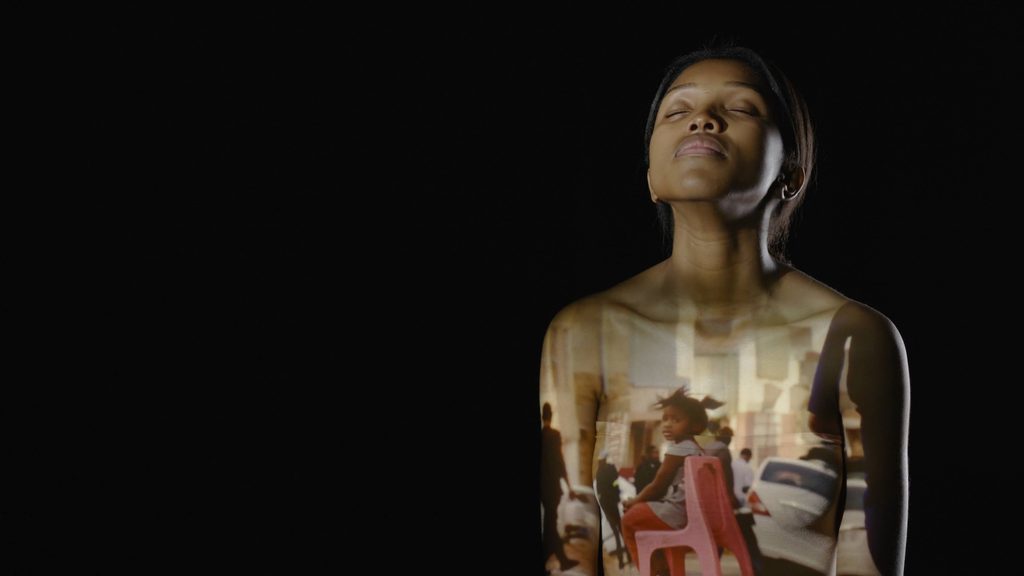
This documentary follows two South Africans whose experiences of being intersex differ in important ways. Through their parallel stories, it explores identity, social expectations, belonging and the pressures of living in a world that often insists on rigid definitions of gender. Intimate and thought-provoking, the film centres the experiences of people whose lives are too often overlooked in mainstream conversations. The doccie features Sharon-Rose Khumalo and Dimakatso Sebidi. Directed by Tünde Skovrán. Produced by Double 4 Studios România in co-production with Canada’s Filmoption International and in association with South Africa. Executive producers include Marc Smolowitz, Oscar winner Patricia Arquette, M.J. Peckham, Andrei Zincă, Tünde Skovrán, Jafta Mekgoe, Danielle Turkov, and Maryse Rouillard.
The documentary has enjoyed a substantial international festival run, earning the Silver Horn Award at Krakow Film Festival, won three awards at Thessaloniki Documentary Film Festival for Mermaid Award, SWIFT Award and the Silver Alexander Award. The doccie also won New Talent Award at DocsBarcelona in 2023. It also won twice at San Francisco’s Frameline festival including the Audience Award for Best Documentary and earned a high-profile Special Mention from the Joburg Film Festival‘s international jury.
Read more: Rotten Tomatoes — Who I Am Not
4. Knuckle City (2019)
Tomatometer: 100% | 7 critic reviews
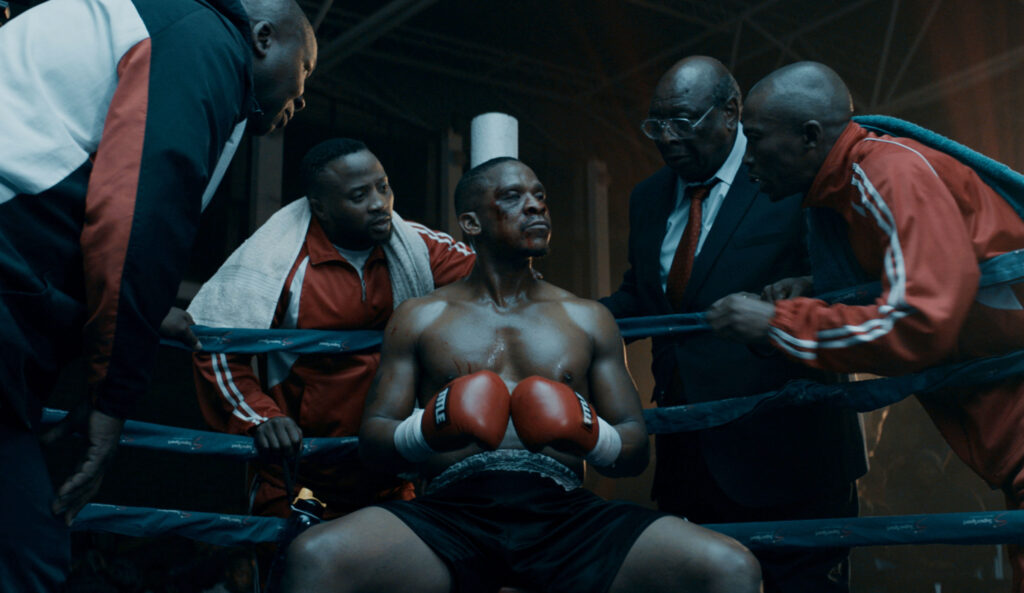
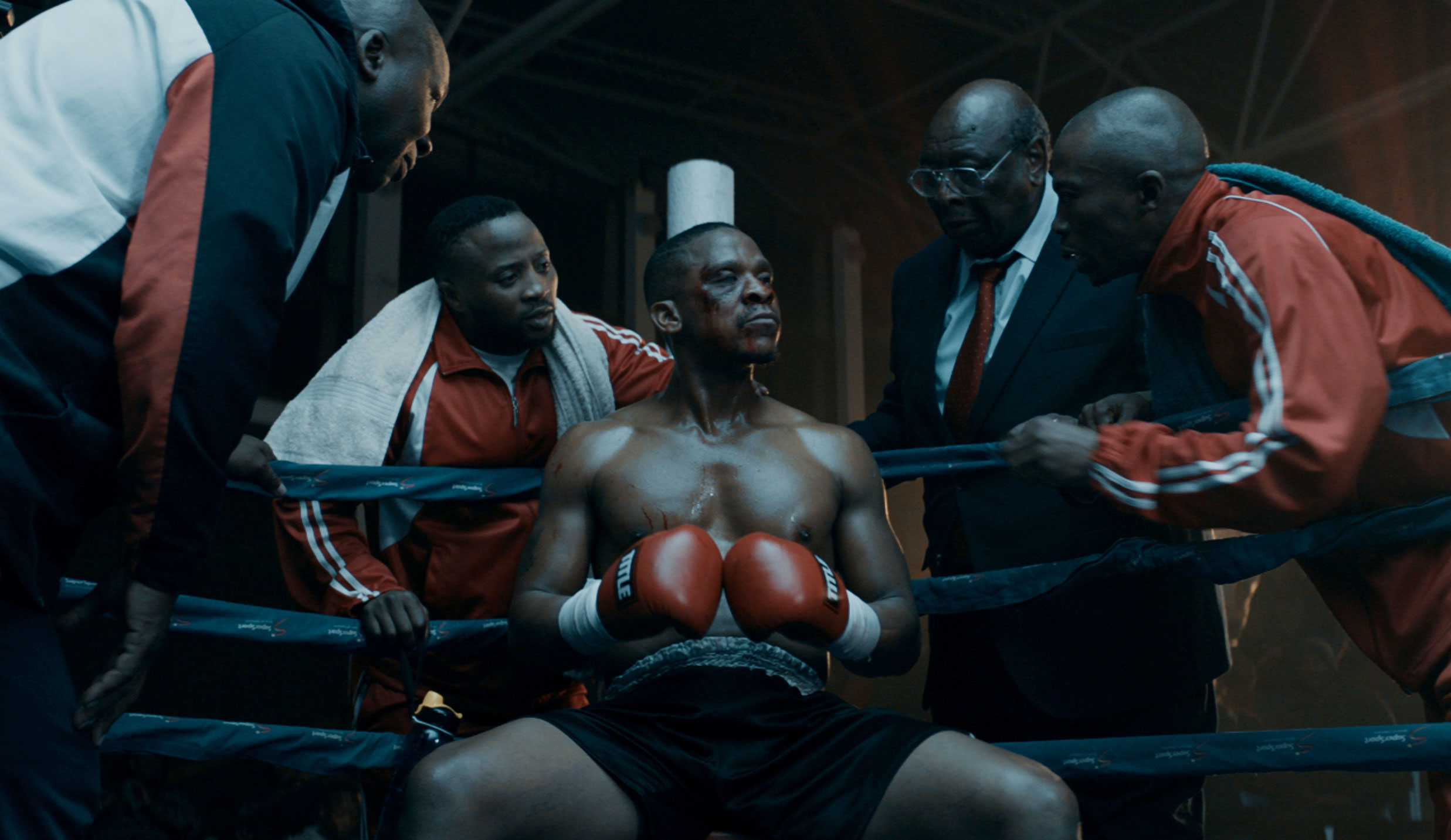
Directed by Jahmil X.T. Qubeka and set in Mdantsane, this gritty crime drama follows a fading boxer whose pursuit of redemption threatens to pull his family deeper into violence. Director Jahmil X.T. Qubeka uses the world of boxing to explore masculinity, poverty, family loyalty and the cycles that can be difficult to escape. A striking example of South African storytelling that confronts difficult realities without losing sight of the people at its centre. The cast includes Bongile Mantsai, Zolisa Xaluva, Thembekile Komani, Nomhle Nkonyeni, Faniswa Yisa, Patrick Ndlovu, Angela Sithole, Sivuyile Ngesi, Owen Sejake, Awethu Hleli and Khulu Skenjana. Knuckle City premiered as the opening-night film at the 40th Durban International Film Festival (DIFF) in July 2019, before making its international premiere in the Contemporary World Cinema programme at the Toronto International Film Festival (TIFF) in September 2019. The film was subsequently selected as South Africa’s submission for the Best International Feature Film category at the 92nd Academy Awards.
Knuckle City earned significant recognition at the 2019 Durban International Film Festival, where Bongile Mantsai won Best Actor. The film won 6 Golden Horns at the 2020 SAFTAs, including Jahmil X.T. Qubeka for Best Achievement in Directing – Feature Film, Mantsai won Best Actor, and Patrick Ndlovu won Best Supporting Actor. The film also collected African Movie Academy Awards recognition, including wins for Best Production Design and Best Visual Effects.
Read more: Rotten Tomatoes — Knuckle City
5. Vaya (2016)
Tomatometer: 100% | 6 critic reviews
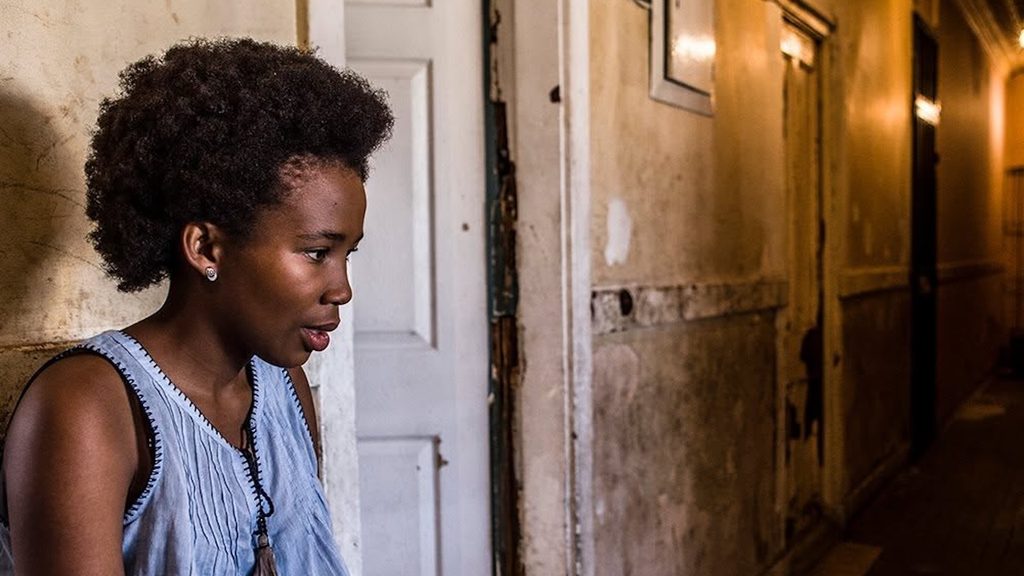
Three young people travel to Johannesburg for different reasons, each carrying hopes that collide with the realities of city life. Their stories gradually intersect, creating a portrait of migration, vulnerability and survival in a city that can promise opportunity while exposing people to exploitation. The film’s interwoven storytelling gives it a strong sense of place and a compassionate view of people navigating uncertain circumstances. Director by Akin Omotoso and cast includes Zimkhitha Nyoka, Sihle Xaba and Warren Masemola.
Vaya premiered at the Toronto International Film Festival in 2016, bringing Akin Omotoso’s interwoven Johannesburg stories to an international audience. The film continued on the festival circuit and won six awards at the Africa Movie Academy Award in 2017, including Best Director for Akin Omotoso, Best Screenplay. Based on true stories and developed with members of South Africa’s Homeless Writers Project, it draws on lived experiences of migration and survival in Johannesburg. It was nominated for Outstanding World Cinema Motion Picture at the Black Reel Awards and in 2018, the film was handpicked by Oscar-winning filmmaker Ava DuVernay for distribution through her film collective, ARRAY, which acquired rights across several international territories.
Read more: Rotten Tomatoes — Vaya
6. A Million Colours (2011)
Tomatometer: 100% | 6 critic reviews
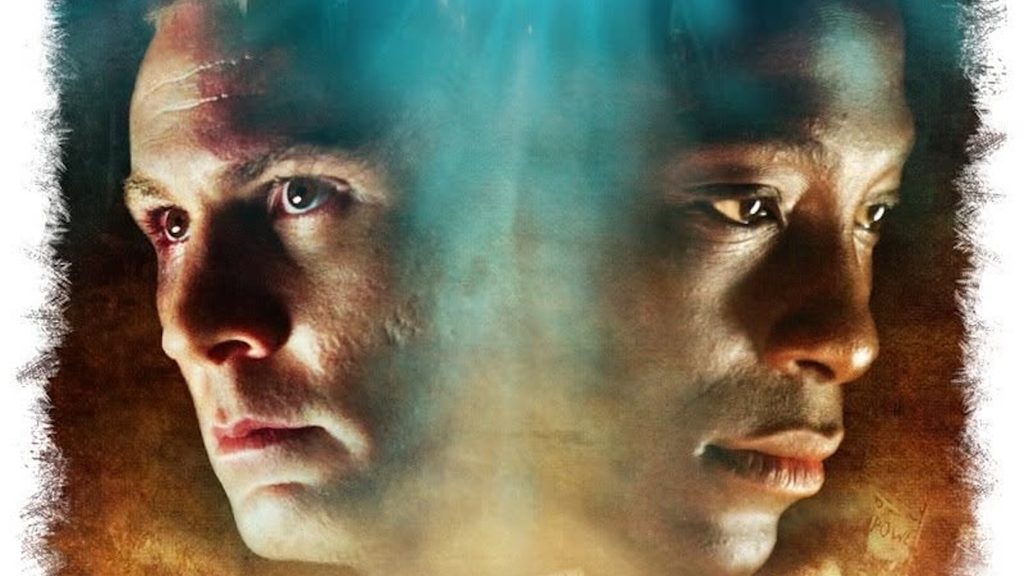
Against the backdrop of apartheid, this drama revisits the friendship between former child actors Muntu Ndebele and Norman Knox. Their relationship is tested by the political and social realities of the country in which they grow up, turning a personal story into a reflection on identity, friendship and a divided society. The film offers a different perspective on South African history through the lives of people connected by childhood and separated by circumstance. Directed by Peter Bishai, A Million Colours stars Wandile Molebatsi, Jason Hartman, Mpho Osei-Tutu, Masello Motana, Matshepo Maleme and Bongeziwe Mabandla. The film was produced with South African production involvement, including Ma-Afrika Films, and received investment support from the National Empowerment Fund
The South African–Canadian co-production received two South African Film and Television Awards in 2013: Best Supporting Actress for Matshepo Maleme and Best Achievement in Cinematography for Trevor A. Brown. In 2014, director Peter Bishai also won the Russian-American Award for Best International Feature Film and a Special Jury Award for Dramatic Feature Film at WorldFest Houston. .
Read more: Rotten Tomatoes — A Million Colours
7. Mapantsula (1988)
Tomatometer: 100% | 6 critic reviews
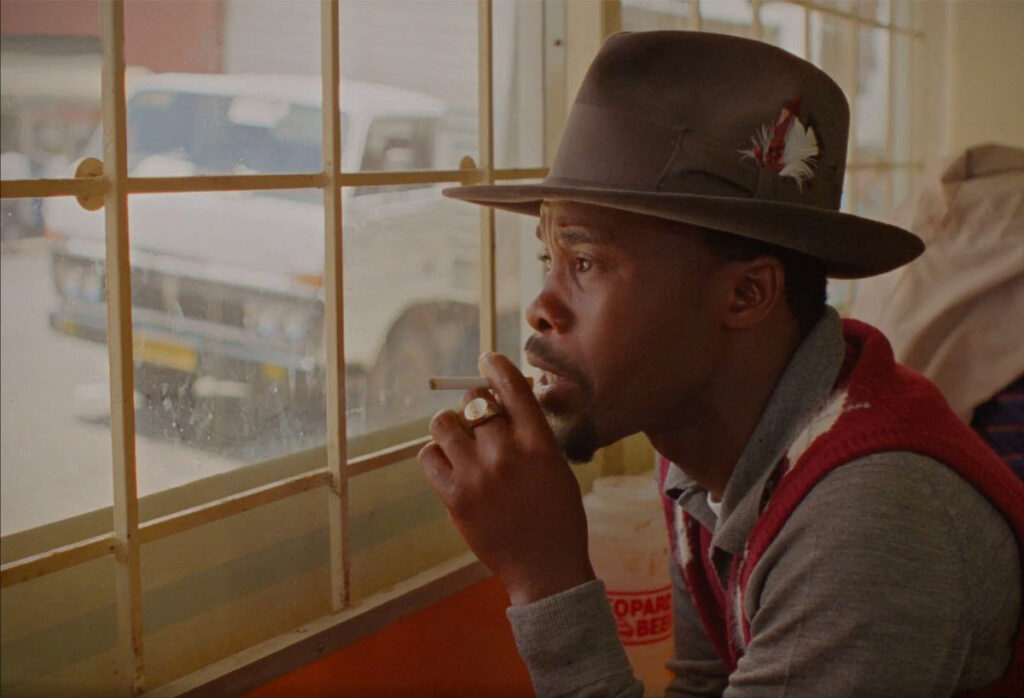
Set against apartheid-era unrest, this landmark South African film follows Panic, a petty criminal whose arrest brings his choices and political loyalties into focus. As his interrogation unfolds, the film reveals how an individual concerned primarily with his own survival becomes caught up in a wider struggle for freedom. Its unflinching view of township life and political resistance makes it an important entry in South Africa’s film history. The cast includes Thomas Mogotlane and Thembi Mtshali, directed by Oliver Schmitz. Watch the film now on Netflix.
A landmark in South African cinema, Mapantsula was selected for the Un Certain Regard section of the 1988 Cannes Film Festival. The following year, it won the One Future Prize at the Munich Film Festival. Directed by Oliver Schmitz and co-written with lead actor Thomas Mogotlane, the film a South Africa, Australia and United Kingdom production, reflecting its international production history.
Read more: Rotten Tomatoes — Mapantsula
8. Catching Feelings (2017)
Tomatometer: 100% | 6 critic reviews
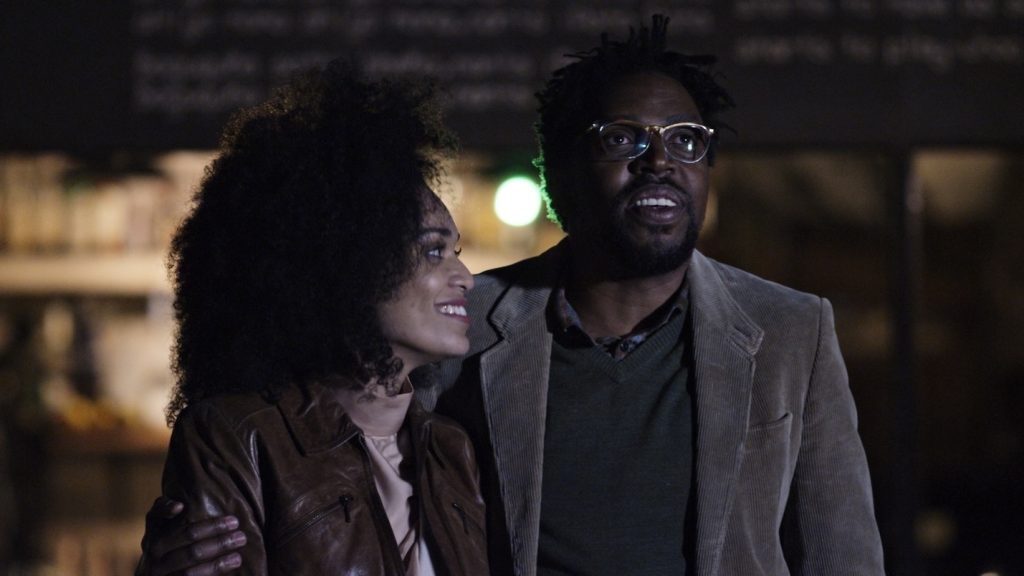
A Johannesburg academic and his wife find their relationship and routines disrupted when a famous, self-indulgent writer comes to stay with them. The film mixes relationship drama, humour and social observation while exploring ambition, intimacy and the contradictions of contemporary urban life. Its recognisable Johannesburg setting gives this character-driven story a distinctly local identity. Directed by Kagiso Lediga and stars Kagiso Lediga, Pearl Thusi and Akin Omotoso. The film is available to stream on Netflix.
Catching Feelings made its world premiere at the 2017 Los Angeles Film Festival, where it was included in the World Fiction Competition. Written, directed and co-produced by Kagiso Lediga, alongside co-producers Tamsin Andersson, Ronnie Apteker, Luke Henkeman, Isaac Mogajane and John Volmink. It later became available to audiences internationally through Netflix in 2018.
Read more: Rotten Tomatoes — Catching Feelings
9. Dear Mandela (2011)
Tomatometer: 100% | 5 critic reviews
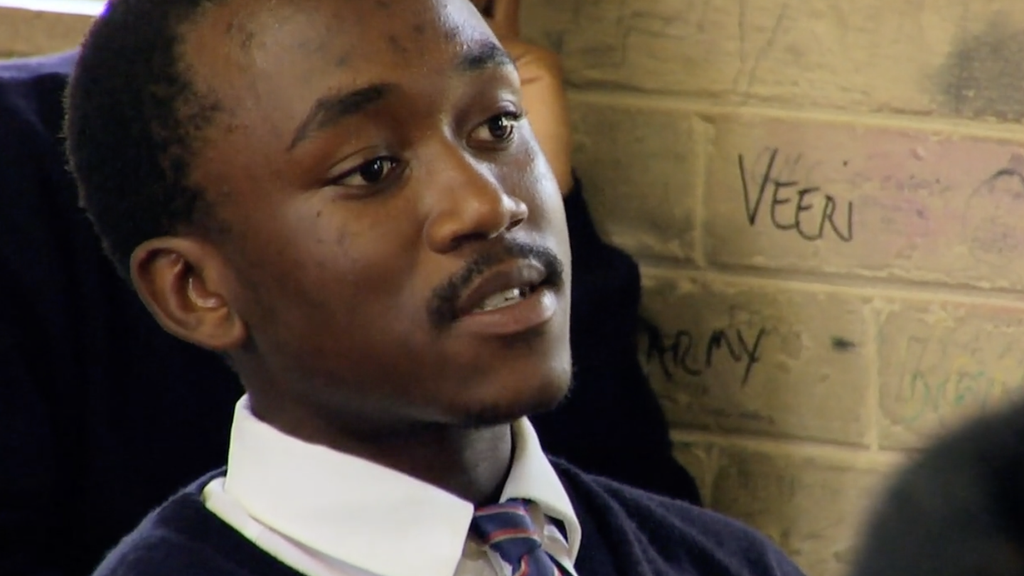
This documentary follows young South African activists who challenge evictions and the destruction of informal settlements through the courts. Their campaign places housing rights, dignity and the promises of democracy at the centre of a wider struggle over who gets to belong in the cities of post-apartheid South Africa. The film documents a generation using legal action and community organising to demand that constitutional rights become a lived reality. Directed by Dara Kell and Christopher Nizza. A South African–American documentary produced by Sleeping Giant in association with the Sundance Documentary Film Program. Produced by Dara Kell, Christopher Nizza. Co-producer, Neil Brandt and Tina Brown.
Dear Mandela won the Grand Chameleon Award and Best Documentary at the 2012 Brooklyn Film Festival, where it had its US premiere. It also won Best South African Documentary at the Durban International Film Festival and was nominated for Best Documentary at the Africa Movie Academy Awards.
Read more: Rotten Tomatoes — Dear Mandela
What does a 100% Rotten Tomatoes score mean?
Rotten Tomatoes’ Tomatometer measures the percentage of approved critics who reviewed a film positively. A score of 100% means all counted reviews are positive, rather than that the film received a perfect numerical rating from every critic.
The number of reviews is equally important. A film with six positive reviews and a film with 38 positive reviews can both have a 100% score, but the amount of critical coverage behind those figures differs considerably. We therefore display the critic-review count alongside every score, allowing readers to see the context rather than treating the percentage as a definitive ranking. For this first instalment, films are arranged from newest to oldest. The focus is on feature films with a meaningful South African connection, with international co-productions identified separately rather than treated as indistinguishable from wholly local productions.
This is the first instalment of The Critics’ Cut, a TV Mzansi editorial series celebrating South African cinema through the lens of film critics around the world. In the instalments to come, we’ll explore more highly rated films, revisit overlooked titles and spotlight the stories, filmmakers and performances that deserve a place in the conversation. This is an evolving archive, built to celebrate the breadth of our cinema and make it easier for audiences to discover — or rediscover the films that have earned critical acclaim.
Also Read