
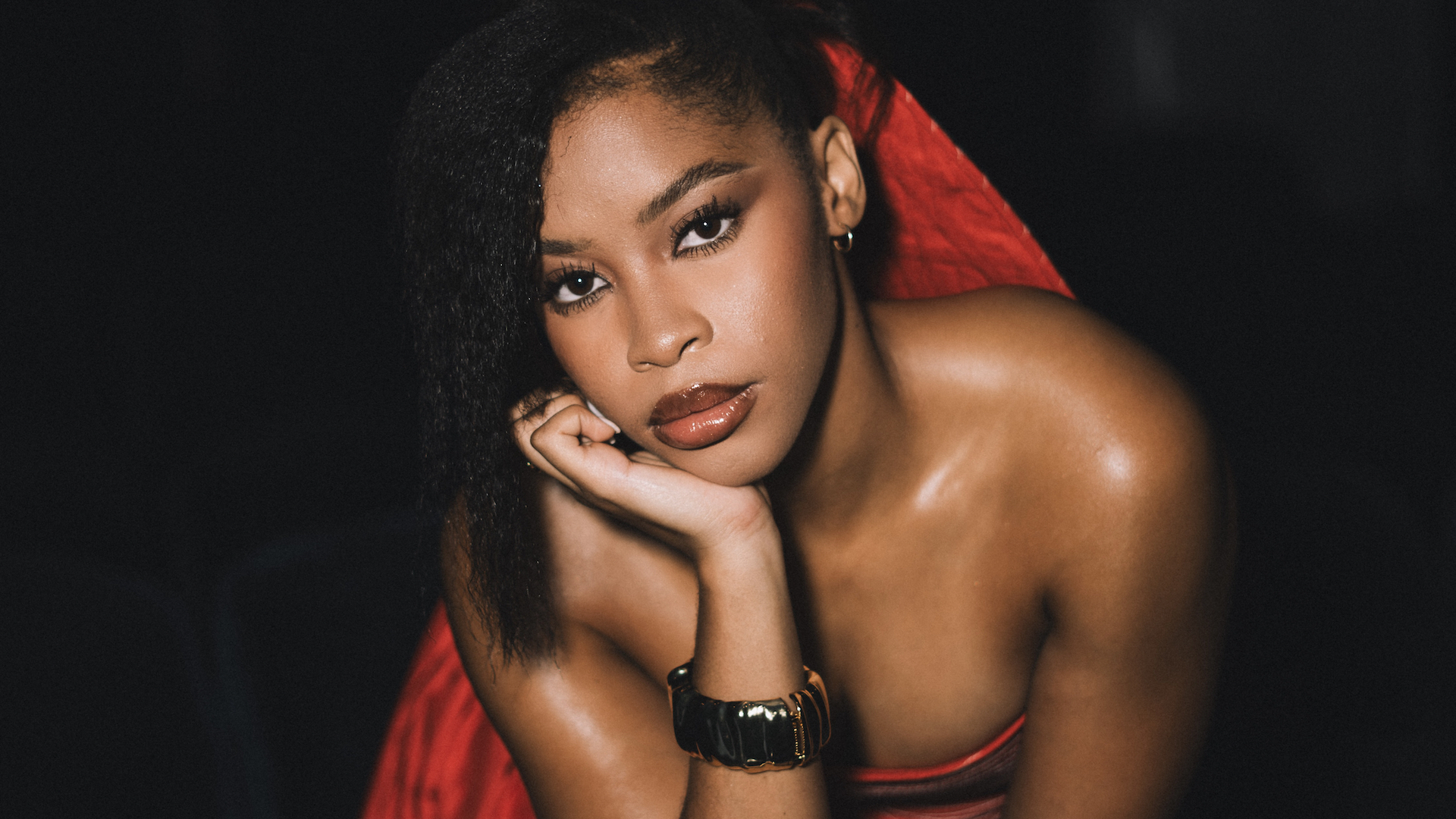
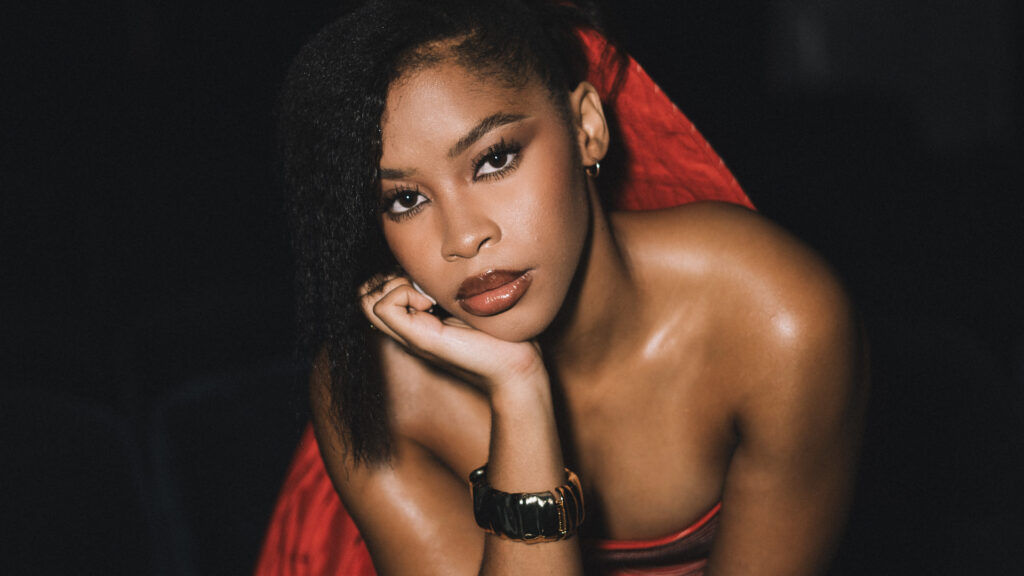
“Let opportunity find you in motion”: Siphesihle Ndaba isn’t waiting for permission anymore
Few actors have navigated the transition from performer to producer with the same sense of purpose as Siphesihle Ndaba. The actress first captured the nation’s attention as the sharp-tongued and unforgettable MaZet on the multi-award-winning telenovela Gomora, a breakthrough role that earned her a SAFTA nomination and established her as one of South Africa’s most exciting young talents.
Since then, the Oprah Winfrey Leadership Academy for Girls alumna has continued to expand her creative footprint, stepping beyond the screen and into the world of storytelling from behind the camera. Most recently, Ndaba made her producing debut with Lil_ith, a bold and thought-provoking short film that earned selection at the Oscar-accredited Odense International Film Festival before making its South African premiere at the Joburg Film Festival. The project further cemented her growing reputation as a creative interested not only in telling stories, but in challenging perceptions and pushing conversations forward.
That same commitment to storytelling recently brought her back to Alexandra, the township that formed the backdrop of her breakout role. Partnering with ReadAlex, an initiative dedicated to strengthening literacy and self-expression among young learners, Ndaba led a transformative storytelling workshop that introduced students to the fundamentals of scriptwriting, from character development and dialogue to plot structure.
Xabiso Ngqabe sat down with Siphesihle Ndaba, the actress-turned-producer as she reflects on returning to Alexandra, the power of literacy as a tool for social change, creating opportunities instead of waiting for them, and her vision for African storytelling.
Firstly, congratulations on all the incredible work you’re doing behind the scenes. I found it quite fascinating how your breakthrough role as MaZet in Gomora unfolded in Alexandra, and then years later you find yourself back in the township helping young people tell their own stories through ReadAlex. What did that full-circle moment mean to you personally?
It was surreal. On the surface, you think, ‘I’m going to teach these students, and that’s great civic work.’ But when you actually sit down with them, hear their thoughts and ideas, something shifts. It ignited something within me. It was deeply nostalgic because I was looking at these bright young minds with such a zest for life and genuine excitement for storytelling.

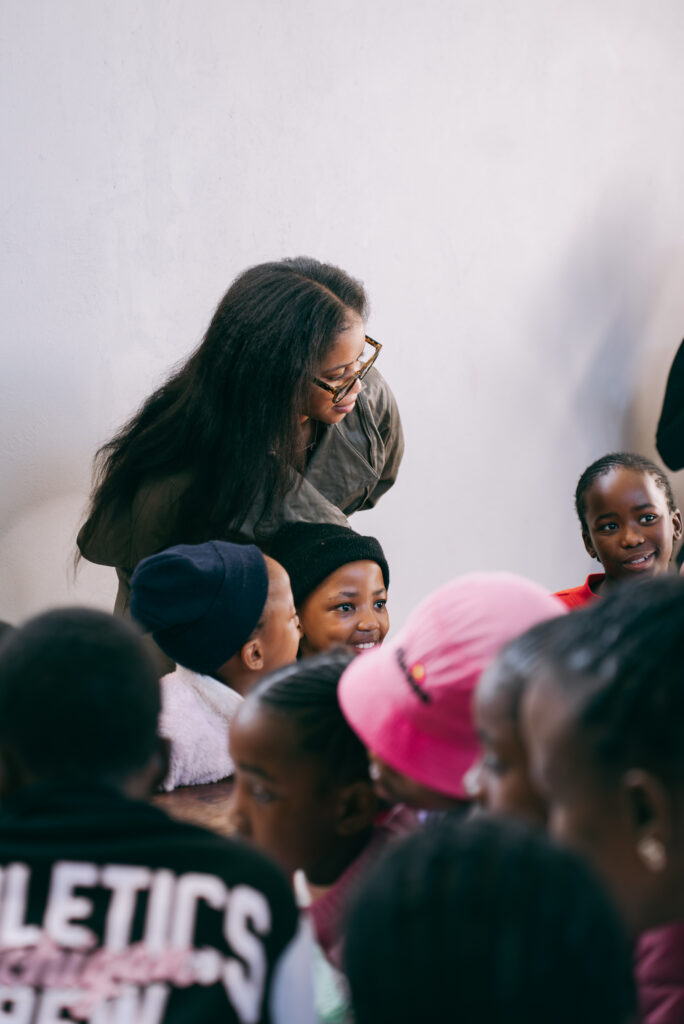
ReadAlex is built around reading and learning. The students engage with books, authors, public speakers and professionals from different industries. What amazed me was their ability to retain knowledge and make connections across different workshops. They were linking lessons from public speaking to storytelling, and connecting scriptwriting concepts like characterisation and character bios to the work we were doing together. It felt like I was watching a younger version of myself gain access to the kind of knowledge that helps you make informed decisions about your future.
I remember watching my first theatre production, The Island by John Kani. After that experience, I thought, ‘People do this for a living? They get to touch hearts like this?’ The conversations we had afterwards stayed with me. Being with these students took me right back to that moment. You never know, maybe you’re inspiring the next creative mind. Maybe someone leaves that workshop and years later becomes a scriptwriter, an author or a storyteller because of what they were exposed to. It reinforced how important it is to pour back into the youth and create opportunities we may not have had ourselves. That’s why we’re in the positions we’re in: to recognise what we needed when we were younger and make sure the next generation has access to it. If we want our industry to grow, that’s how it happens. We keep investing, we keep showing up, and we keep pouring back into the system.
That’s so powerful, especially the idea of them being able to look back one day and remember where it all started. That brings me to ask you, how important is literacy in helping young people like this find their voice, advocate for themselves, and start imagining a different future?
If you don’t have knowledge, and you don’t have the words to express yourself, it limits how you’re able to advocate for yourself. It limits your agency. Being literate, being able to read and write is so important in raising a generation that is not complacent, and not passive in the world we live in.
It’s important to instill a culture of social, political, and economic discourse within people, because what we’re seeing is that the youth is becoming more and more apathetic to what’s happening around them. People say, ‘politics is not my thing,’ or ‘my vote doesn’t count,’ and those kinds of statements are actually very dangerous. They affect how we shape society, protect rights, and maintain dignity at a grassroots level.
If you look at how we came out of systems like apartheid and even colonialism, though we’re still living with its remnants, part of what made that resistance powerful was not only grassroots action where people put their bodies on the line, but also the presence of figures like Oliver Tambo and Thabo Mbeki, who were able to articulate the struggle on an academic and intellectual level. That kind of articulation helps legitimize a cause. You see the same thing in film and television. It comes down to the writing, whether the writer understands the social and political context in which a story is being told. That’s the duty of art. That’s why theatre exists in the first place: it’s meant to reflect society, to act as a mirror, and to provoke critical thinking.
And that’s why literacy matters because when you can read, write, and think critically, you’re able to advocate for what you believe in and stand for something.
Thank you so much for that. I completely agree with you. And just building on that, as someone who’s both acting and producing, I want to ask you: what kind of stories do you think South Africa still needs to be telling right now?
If I could create a show with no budget constraints, I’d have two options, one is for the people, and one for myself. The one for the people comes from my background in drama. I specialised in physical theatre and applied theatre, where the whole idea is educational entertainment or entertainment with a purpose. It’s storytelling that stimulates social and political discourse, and ideally drives change.
I feel like we had a strong wave of that in the early 2000s, but we’ve slowly moved away from it. So I would bring that back, modernised versions of shows like Soul Buddies, Soul City, and Home Affairs, but rooted in the world we live in now. That opens up space to explore issues like unemployment, AI, the industrial revolution, and what all of that means for young people and for the education paths we’re encouraging them to take. There are so many themes to unpack. But at its core, it’s educational entertainment designed to spark real discourse. I’m not saying purely entertainment-driven shows aren’t necessary, we don’t always have to be serious or academic but right now, I do feel like the market is oversaturated with content that isn’t necessarily community-building.
So educational entertainment for the people. Let’s hear the one for yourself.
One for myself: definitely African sci-fi. We don’t really have enough of it yet, largely because of budget constraints. World-building, VFX, costume design, research and development, all of it costs money. In Hollywood, you have studio backing that allows for huge experiments, even projects that never get released. We don’t have that luxury here. Every cent counts. But if we did, there’s so much to explore, especially blending sci-fi with African mythology. Taking stories that already exist in our cultures and reimagining them through a futuristic lens.
I’ve always been curious about what Africa or South Africa specifically would look like if we had never been colonised. How would we live? How would we learn? What would agriculture look like? Even our everyday interactions? And then, looking at how different tribes might have coexisted symbiotically, each contributing their strengths to build something powerful and unified. What would that kind of world look like if it evolved on its own terms?
Yeah, that alone feels like something massive, almost global in scale. Something that could travel.
Exactly! Something on a Marvel-level scale. And I guess because we’re still a relatively young industry in that space, those worlds don’t feel comparable yet. But we’re getting there. We’re still building. Man… we are children in that sense.
Let’s manifest it! In a few years I can already see it coming to life. I’ll be here rooting for you. That actually brings me to something I wanted to ask. I have one more question about ReadAlex, but since we’re on the topic of storytelling, your short film Lil_ith explores themes of agency, identity, and the female body in such a nuanced way. What drew you to that story?
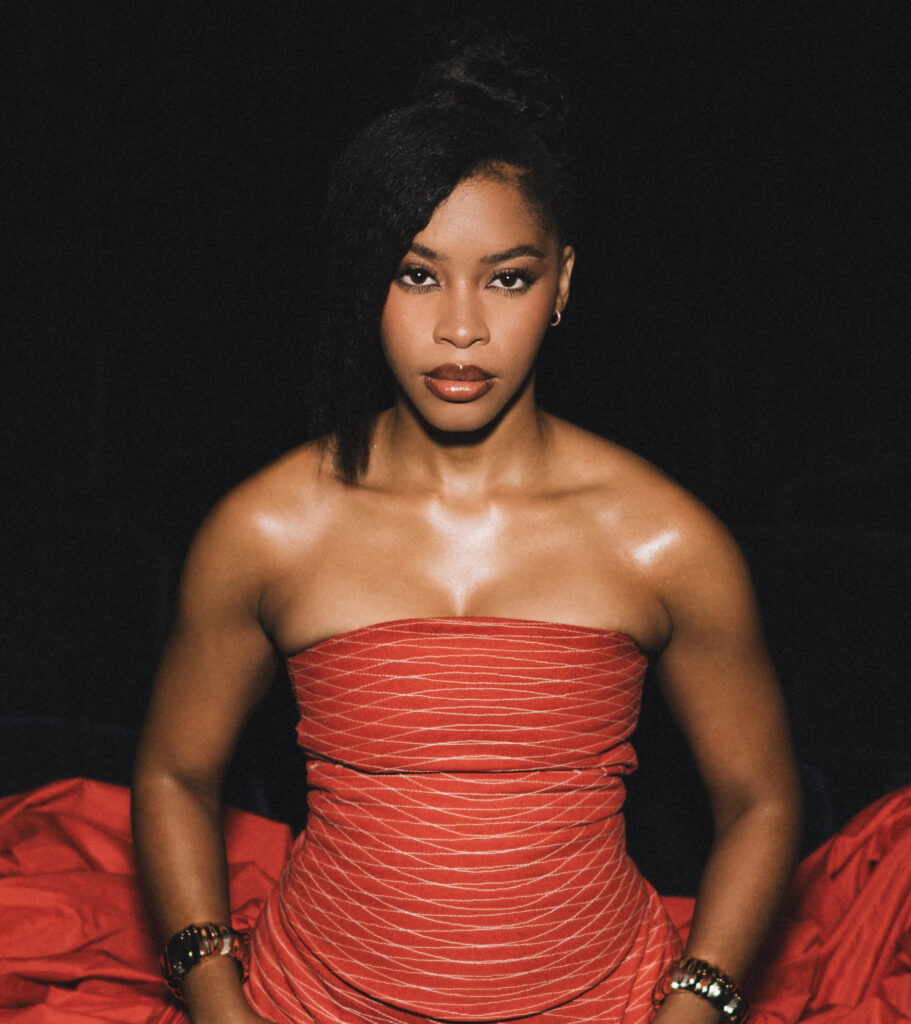
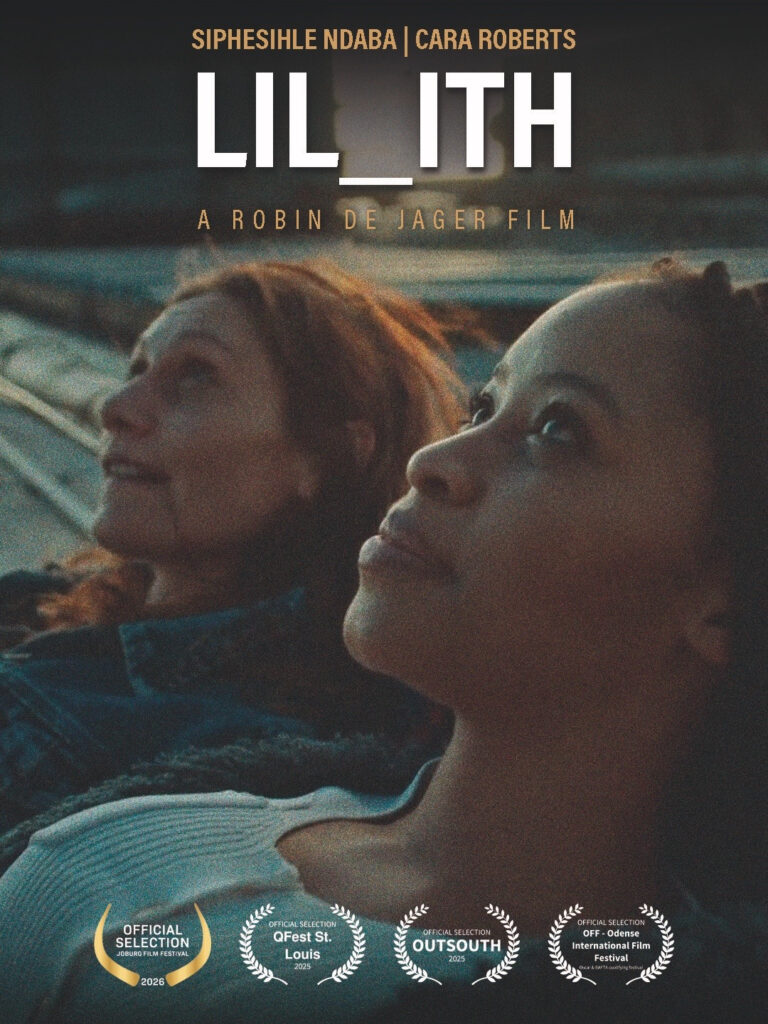
You know, Lil_ith really challenges how women are viewed and understood. Lil_ith is a Black woman living in post-apartheid South Africa, but there are still clear ties to the colonial gaze in how she’s perceived. Even if she doesn’t have the academic language to articulate it, her actions are a direct challenge to that way of thinking. She’s subverting the gaze. She’s a curvaceous Black woman, and her very existence becomes political. She’s dealing with financial struggles and trying to survive, but what she is essentially saying is: ‘I am this Black woman, I have this body, and simply by walking down the street, there is already a particular way in which you see me. The reality is that Black female bodies are often hypersexualised, even when there’s no intention for them to be. You see it every day. Two women can wear exactly the same outfit, but the curvier woman is judged differently because people have already sexualised her body.
And when you trace that back historically, that’s exactly what happened to Sarah Baartman. She was exhibited because people viewed her body as a spectacle. Others profited from it. She was turned into an object of voyeurism. What Lil_ith does is say: ‘I’m going to subvert that gaze.’ The agency that Sarah Baartman didn’t have, Lil_ith does. She can’t control how people see her, but she can take ownership of it. She can capitalise on the assumptions already being made about her. In essence, she’s saying: ‘If you’re going to look anyway, then you’re going to pay for it.’
That’s powerful!
That’s what I found so powerful about the writing, and it’s one of the main reasons I took the role. I’m very selective about the films and television projects I attach myself to. A story has to resonate with me. I understand that’s a privilege not every actor has, but it’s important to me. I remember reading the script and calling Rob de Jager almost immediately. I said, ‘Rob, I think I’m going to do this.’ And he was surprised by how quickly I’d made up my mind.
Lil_ith is a cam girl. She exists in the adult entertainment space. She’s also a queer woman who happens to be in love with another woman. Yet the moment people hear those descriptions, they immediately sexualise the story. What’s remarkable is that at no point do we see nudity or a sex scene, because that’s not what the story is about. The story is about Lil_ith. It’s about her reclaiming her power. It’s about a fearless, unapologetic woman navigating life on her own terms. That’s what drew me to her. And I think part of the reason the character feels so authentic is because of Rob himself. Rob is a white gay man, but he was raised by Black women and has spent much of his life surrounded by Black women. You can feel that in the script. It was written by someone who genuinely loves, respects and listens to women. And that’s ultimately what drew me to Lil_ith. It felt like a story worth exploring.
Back to the ReadAlex workshop you did, Was there anything the learners shared that stayed with you long after the session ended?
I definitely journalled when I got home. I journal a lot, and I found myself reflecting on the experience. The biggest thing that stood out to me was this: all kids need is access.
Before the workshop, I was overthinking everything. I was asking myself, How am I going to facilitate this? Should I speak English or vernacular? What if they’re not responsive? What if they don’t engage? I had all these contingency plans in my head. Then I walked into that classroom, and all of that disappeared. The workshop started at 8AM., and by 7:55 the students were already standing at the door waiting to be let in. Nobody was late. They sat down, paid attention and engaged from the moment we started. When I asked questions, they had answers. They weren’t sitting there passively. They were drawing connections between things they’d learned in previous workshops and what we were discussing that day.
They’d ask things like, ‘We learned about authors before, is that similar to a screenwriter?’ Or, ‘At school we learned about verbs. Is that the same as action lines in a script?’ And I’d say, ‘Yes, that’s exactly it.’ They were curious, engaged and eager to learn. More than anything, that experience reinforced the idea that children simply need access. Access to resources. Access to knowledge. Access to activities that stimulate their minds. When you give them those opportunities, they’re more than willing to engage.
It also highlighted why it’s so important to invest in marginalised communities, townships and rural areas. Children who grow up without stimulation often become adults who were never given the opportunity to discover what they’re capable of. Yet we’re quick to make assumptions about people from certain communities without acknowledging the environments they’ve had access to. Children in more affluent areas often grow up surrounded by enrichment opportunities, sports clubs, parks, academic programmes, cultural activities and spaces designed to nurture curiosity and development. Those opportunities expose them to different interests and help build confidence from an early age.
At its core, the difference is often access. And when you do provide that access, you see how eager young people are to learn. They want to be there. They want to participate. They want to grow. That’s what the experience highlighted for me more than anything else.
I love that. And I think it’s the perfect note to end on.When a young girl looks at your journey, from a student finding her voice to an actress, producer, and someone actively creating opportunities for others, what do you hope she sees beyond the success?
I hope she sees someone who isn’t sitting around waiting. I hope she sees someone with agency, someone who looks at the world around her, identifies a gap, identifies a need, and works towards filling it. We’re living in a very different era now. If you look back at the early 2000s, the industry was largely controlled by a handful of broadcasters. If you wanted your work seen, there were very few doors to knock on. Then came the streaming era. Suddenly there were more platforms, more opportunities, more ways to tell stories.And now we’re in the digital age, where you have access to platforms like Instagram and YouTube. You don’t have to wait for someone to discover you. You don’t have to wait for someone to believe in you or take a chance on you.
You can start. You can say, ‘These are the stories I want to see, and if they’re not being told, what can I do about it?’ Maybe you’re not a writer. That’s okay. Find a writer. Maybe your friend is a videographer or cinematographer. Collaborate. Build something together.
When I think about that, I think about Issa Rae. She put Awkward Black Girl on YouTube because she wanted to tell a story she wasn’t seeing elsewhere. That eventually opened the door to bigger opportunities, including her work with HBO. But it all started because she created something instead of waiting for permission. That’s what I hope young people take from my journey. This is your time. Look within yourself. Look around you. See what skills exist within your community and build something together.
Yes, of course, you want decision-makers to notice you. But don’t let them find you standing still. Let them find you already in motion. Because when opportunity arrives, the goal isn’t to start preparing. The goal is to already be prepared.
Keep moving. Keep creating. And let opportunity meet you on the road.