
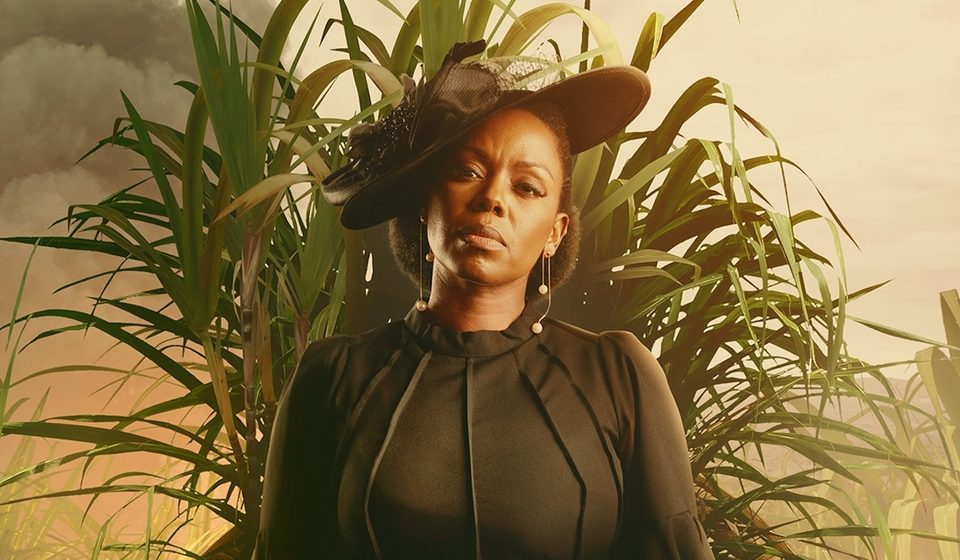
Blood Legacy S2 Review
If Blood Legacy Season 1 taught us who the Ndlovus were, Season 2 seems determined to make us question everything we thought we knew about them. Every answer comes with another secret, every betrayal leaves another crack in the family, and whenever it feels like the Ndlovus might finally find their footing, the story pulls the ground from underneath them again. Now streaming on Netflix, the drama wastes little time reminding us that in the Ndlovu family, peace is never really peace. In this Blood Legacy S2 review, we look at how the Netflix drama builds on its first season with even more family conflict, crime, power, romance and buried secrets.
At the centre of it all is Khanyi Adesina (played by Xolile Tshabalala), still fighting to protect her family and the Spear empire while carrying the weight of what she endured in Season 1. But this season also digs deeper into what the Ndlovus are actually fighting to preserve. Is it the business? The family name? The wealth? Their history? Or the secrets holding the entire legacy together? Because by Season 2, the real inheritance may not be the empire at all, it may be everything the Ndlovus have spent years trying to hide.
Khanyi is no longer the outsider
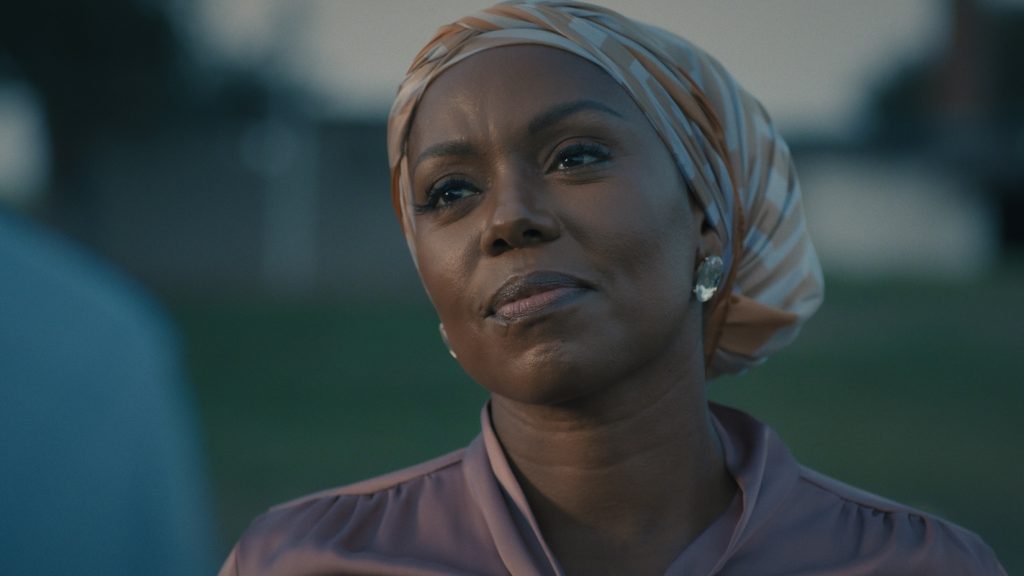
If there is one character who immediately makes Blood Legacy Season 2 worth watching, it is Khanyi Adesina, played by Xolile Tshabalala. But the Khanyi we meet this time is not the woman who arrived at the Ndlovu estate trying to understand the family she had been separated from. She has seen too much now and knows exactly how the game works. She knows where the bodies are buried, who is capable of what and just how quickly loyalty can turn into leverage. The problem is that understanding the Ndlovus does not make living among them any easier. If anything, it means she can see the next disaster coming and still has to decide how much of herself she is willing to sacrifice to stop it. That is where Tshabalala finds something particularly interesting in the character.
Her performance rarely reaches for the obvious moment. Instead, there is a restraint to Khanyi that says almost as much as her confrontations do. She often looks like someone running on whatever is left in the tank, yet she keeps walking into rooms where everyone expects her to have the answer. And perhaps that is what makes Khanyi feel so human this season. She is not some perfectly composed woman who has suddenly mastered the family business. She is a woman who has become good at surviving chaos while slowly discovering that being the one who holds everything together can also mean becoming the person everyone leans on until there is nothing left to give. Khanyi may understand the Ndlovu family better than she ever has. The question is whether that understanding is actually saving her, or simply teaching her how to survive a life she no longer knows how to escape.
Nobody in this family is simply good or bad
The Ndlovu siblings remain one of Blood Legacy’s most unpredictable forces, largely because the show refuses to make their relationships easy to read. Mandla (played by Buyile Mdladla) and Siya (played by Mike Ndlangamandla) may be driven by very different fears, ambitions and weaknesses, but Season 2 does not turn them into convenient opposites. There is no straightforward good sibling and bad sibling here. Just people making choices that become increasingly difficult to undo. That is also what makes the family drama feel less predictable.

Blood Legacy understands that people are rarely consistent when power, love, money and survival are involved. A character can earn your sympathy in one storyline and test your patience in the next. You can understand why someone makes a terrible decision without necessarily forgiving them for making it. And then there are the moments when you can only wonder how this family manages to create yet another crisis before the previous one has even had time to settle. Siya, in particular, becomes increasingly complicated to watch. His decisions as a husband and father push him into territory where sympathy becomes harder to hold onto, while his personal life creates problems of its own. The triangle involving Siya, Lungelo (played by Wiseman Zitha) and Gabisile (played by Enhle Mbali Mlotshwa) takes an especially dramatic turn, with Gabisile making a move that genuinely changes the temperature of the story. What makes it land, though, is that the actors do not play the storyline as simple melodrama. There is enough emotional weight behind the choices to make the fallout matter. You may question what these characters do, but you understand why the consequences hurt.
And that may be the Ndlovus’ greatest problem: they are not simply fighting each other. They are constantly giving each other reasons to become people they might not have been otherwise.
Everyone has a secret
There is a dangerous habit that Blood Legacy Season 2 quickly teaches you to abandon: thinking you have figured anyone out. Just when the Ndlovu story appears to settle into place, another piece of its history surfaces and changes the shape of everything that came before it. The Ndlovu empire itself becomes part of the mystery. Where did it really come from? What was sacrificed to build it? And how much of what the family calls a “legacy” is actually something they inherited without ever questioning the cost?
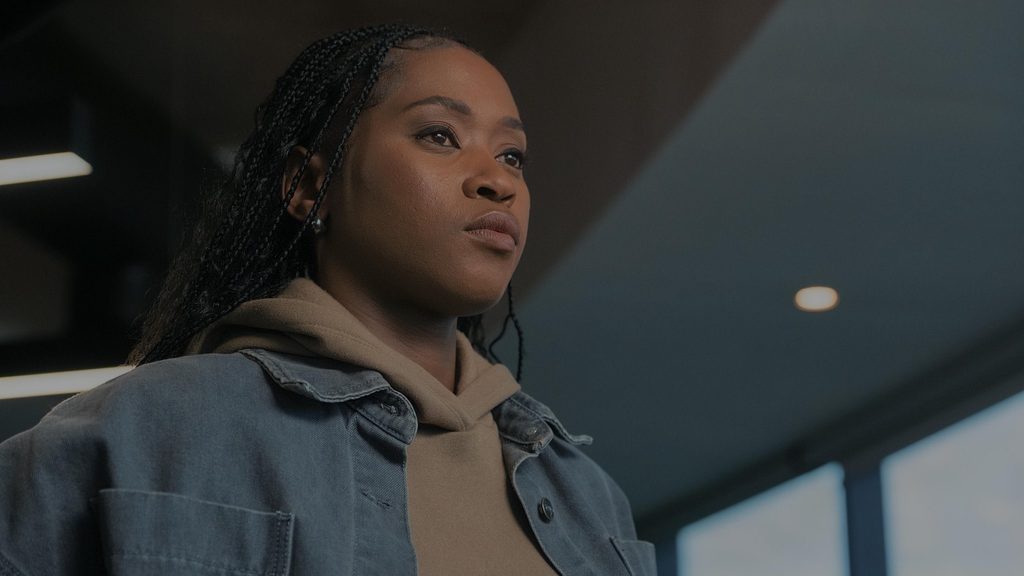
That question becomes even more interesting with the arrival of Hlengiwe (played by Amanda Seome), a woman who does not simply step into the Ndlovu world, she arrives with unfinished business. She knows there are answers to be found, and she is not particularly interested in making the family comfortable while she looks for them. Her presence unsettles the carefully constructed version of the Ndlovus’ history, forcing them to confront parts of themselves they would much rather leave buried. This is where the season starts reaching beyond the familiar territory of a wealthy family tearing itself apart. Beneath the betrayals and power struggles is a bigger question about what wealth actually passes from one generation to the next. Money, certainly. Status, influence and opportunity. But so do grudges, secrets, damage and consequences. And Blood Legacy makes an interesting point about privilege in the process: wealth does not necessarily prevent people from making terrible decisions.
MaNdlovu enters a dynasty already carrying ghosts
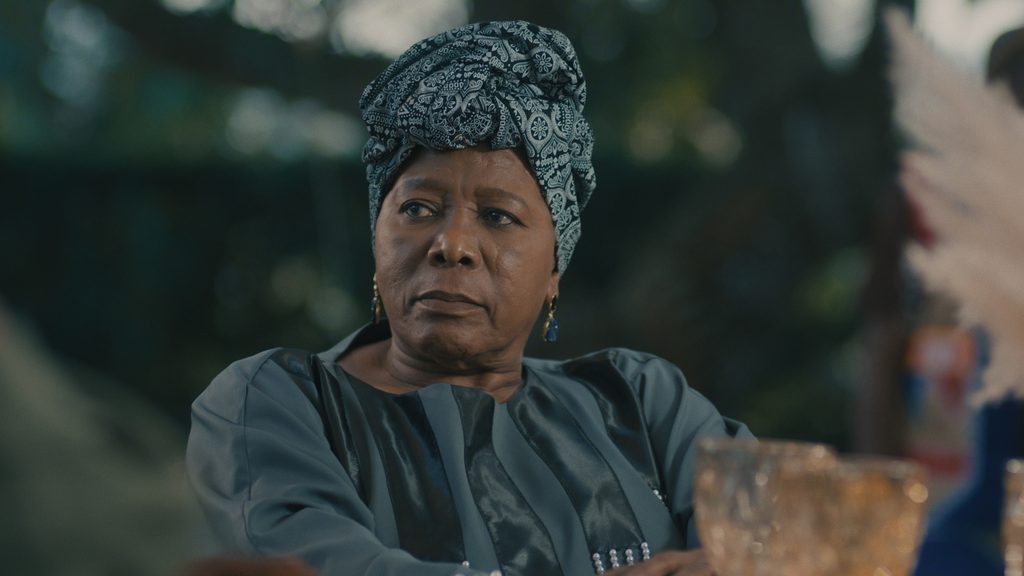
One of the most important additions this season is Thembi Nyandeni as MaNdlovu. Replacing a beloved presence like the late Connie Chiume was never going to be straightforward, but the show makes an interesting choice: it doesn’t simply try to recreate what Chiume brought to MaDlamini. Instead, it allows MaNdlovu to become her own force. Connie’s character remains part of the story’s history, while MaNdlovu establishes a separate identity within the dynasty. And Nyandeni delivers.
She feels like someone who understands exactly what kind of family she has walked into and exactly how much power is required to survive inside it. That distinction matters. Rather than making MaNdlovu feel like a replacement, Blood Legacy gives her room to become another powerful figure in a family already overflowing with them.
The villains are having a very good season

Whoever decided to cast Dawn Thandeka King and Mduduzi Mabaso as siblings deserves some applause. As Liyana and Msizi, the two bring an entirely different energy to the story. They don’t feel like villains who have simply been inserted into the plot to give Khanyi another problem. They feel like people with their own history, objectives and relationship with power. Their presence also expands the world beyond the Ndlovu family.
Another pleasant surprise is how well the younger cast holds its own. Dineo Rasedile as Amahle, Thabiso Ramotshela as Nido and Unathi Mkhize as Njabulo all bring something to the season, particularly as the consequences of the older generation’s decisions begin to affect the younger one. That gives the show another generational layer. The Ndlovu legacy isn’t just about what the current generation wants to protect. It is also about what they are handing down. And that is where the title Blood Legacy becomes particularly appropriate.
Pallance Dladla as Zakhele continues to be a valuable part of the ensemble, bringing another complicated personality into an already crowded power struggle. Lihle Ngubo also adds depth to the younger side of the story, helping make the world around the central family feel larger than just Khanyi, Mandla and Siya. This is important because Blood Legacy works best when it feels like an entire ecosystem rather than one family’s argument stretched across 20 episodes.
It looks and feels South African
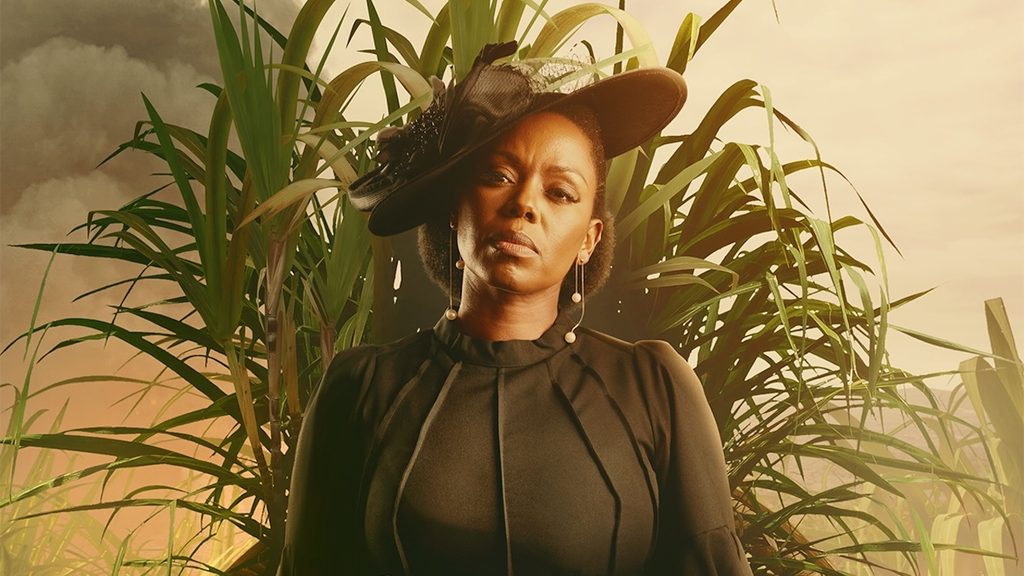
One of the show’s biggest strengths is something that can easily be overlooked: place. The sugarcane fields, the agricultural business, the family properties and the KwaZulu-Natal setting give Blood Legacy an identity. It doesn’t feel like a generic international billionaire drama where everyone lives in identical glass buildings and spends the entire day having board meetings.
The environment matters. The agricultural empire is part of the family’s identity, and the history of the business becomes inseparable from the history of the people who built it. That gives the series a distinctly South African texture. You could call it Succession with an African family at its centre, although Blood Legacy is ultimately doing something different. The comparison makes sense only in the broadest sense: both are interested in wealthy families, succession, power and the question of what happens when money doesn’t necessarily make a family functional. Blood Legacy has its own rhythm, its own melodrama and, importantly, its own sense of place.
That is also something to be said for Gambit Films. The production company already has Blood & Water and Unseen among its Netflix successes, and Blood Legacy fits comfortably into that growing catalogue of South African stories made with an international audience in mind. Gambit itself describes Blood & Water, Unseen and Blood Legacy among its Netflix productions, with Unseen and Blood & Water having reached the Netflix Global Top 10. With Blood Legacy, Gambit has once again found a story that can be recognisably South African while still having the kind of family intrigue that travels. And Season 2 proves that the first season wasn’t a fluke.
Credit where it is due: the writing and direction
A major reason the season works is the amount of machinery happening underneath the chaos. Duduzile Mabaso, who serves as head writer for Season 2, leads a writing team that includes Bradley Katzen, Kurt Ellis, Bonnie Sithebe, Martin le Maitre and Marvin-Lee Beukes. The season is directed by Nozipho Nkelemba, Marvin-Lee Beukes and Nthabiseng Mokoena. And they clearly understand the most important rule of this universe: Give the audience one answer, then give them another question.
The season keeps moving between family politics, business, crime, romance and buried history without completely abandoning the central question of what the Ndlovu legacy actually is. The result can occasionally become excessive. There are moments when the twists pile up so quickly that you can practically hear the writers preparing the next one. But honestly? That is part of the fun.
Is Blood Legacy Season 2 worth watching?
Absolutely. If you enjoyed Season 1, there is no reason to skip this one. If you like family dramas filled with secrets, power struggles, complicated relationships and characters who make decisions that have you shouting at your screen, Blood Legacy delivers. It isn’t a perfectly restrained drama. It can be messy. It can be excessive. Some twists push the limits of credibility. But it is genuinely entertaining. And more importantly, it has an identity.
The sugarcane fields. The family empire. The politics. The betrayals. The romance. The privilege. The violence. The secrets. The siblings who can love each other and still destroy each other five minutes later. At the centre of it all is Xolile Tshabalala, giving Khanyi a performance built on authority, vulnerability and restraint. Season 2 doesn’t simply ask who will control Spear. It asks whether an empire built on secrets can ever have a clean inheritance. And that is what makes Blood Legacy worth coming back to.
And that ending…
Without spoiling it: that final sequence is one of the season’s strongest pieces of television. The parallel storytelling involving Liyana, played by Dawn Thandeka King, and what is unfolding elsewhere creates a genuinely tense final stretch. It is the kind of ending that makes you sit there for a moment after the credits and process what just happened.
Not because the show suddenly became something completely different, but because it understands the emotional weight of letting several storylines collide at exactly the right moment. It is a bold way to close the season.
Season 2 is now streaming on Netflix
Enjoyed this Blood Legacy S2 review? Try read this review of Umthetho.